By Laudia Anyorkor Nunoo, GNA
Shai-Hills, April 10, GNA – The Assemblies of God Ghana, Greater Accra East, has held its annual Regional Council Meeting 2026 with a call from Chief Justice Paul Baffoe-Bonnie for faith-driven leadership in Ghana.
The meeting, held at the church’s Aggar Resort Centre at Shai Hills, brought together pastors and church leaders from the Assemblies of God Ghana.
The Chief Justice, who was the Guest Speaker at the meeting, called for leadership grounded in faith, discipline and accountability, stressing that true authority was demonstrated not in the exercise of power but in the restraint of it.
He noted that leadership was ultimately tested in moments of difficulty, particularly when competing interests demand tough decisions, emphasizing that while human intellect and legal frameworks were important, they were insufficient on their own without moral conviction and spiritual guidance.
He indicated that character was tested in the ability to restrain power, even when one had the right to fully exercise it, adding that Ghana’s founding principles were deeply rooted in faith and a recognition of divine authority.
Mr Baffoe-Bonnie also underscored the need for accountability in public service and leadership, noting that leaders must answer not only to institutions but also to higher moral and spiritual standards.
Rev Dr Stephen Yenusom Wengam, the General Superintendent of Assemblies of God Ghana, in an address, challenged Christians to embrace what he described as “audacious faith”, urging believers to break away from cultural norms that discourage ambition and bold vision.
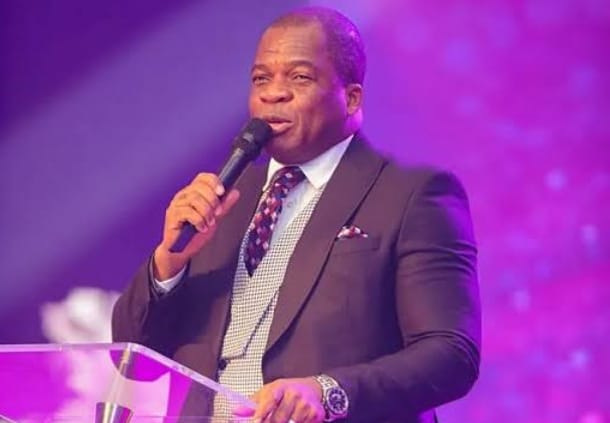
Rev Dr Wengam stated that many people wrongly equate ambition with pride, a mindset he said limited growth and impact, stressing the need to encourage the young people to dream big and pursue great things and trust God beyond human limitations.
He explained that the Church’s 2026 theme, “The Faith of Our Fathers”, sought to reconnect believers to the foundational principles of early Christianity, noting that the theme was anchored on two key pillars of demonstrating the passionate, unwavering faith of the early apostles and safeguarding sound biblical doctrine.
Referencing Acts Chapter 2, he highlighted the importance of doctrinal consistency, warning against the rise of distorted teachings, particularly on digital platforms.
The General Superintendent reaffirmed the Assemblies of God Ghana commitment to preserve its legacy as a leading Pentecostal church known for sound doctrine.
He also announced that Ghana would host the World Congress of the Global Assemblies of God Fellowship in October 2026, which is the first to be held on African soil, adding that the global gathering was expected to attract thousands of participants, boost the economy, and spark a nationwide spiritual revival.
Rev Andrews N. Awintia, the Greater Accra East Regional Superintendent of the church, described the council meeting as a vital accountability platform where church leaders render accounts of their stewardship to both God and the congregation.
Rev Awintia explained that the meeting brings together pastors representing local assemblies to review activities, assess leadership performance, and discuss the way forward for the Church.
“This council is not just a meeting; it is an accountability forum where leaders explain how they have utilised the mandate entrusted to them,” he said, noting that members are given the opportunity to question decisions and demand transparency.
Presenting a report on his four-year tenure, he outlined several achievements, including the construction of legacy temple projects across the region, financial support to deprived and border churches exceeding GH₵3 million, and welfare interventions for retired ministers.
He added that the region had facilitated the provision of motorbikes to pastors in remote areas to aid evangelism and also drilled boreholes to provide potable water to underserved communities.
The Annual Regional Council Meeting serves as one of the most important gatherings on the church’s calendar, bringing together clergy and leadership to deliberate on governance, spiritual direction, and strategic growth.
This year’s event placed strong emphasis on restoring foundational Christian values, strengthening accountability systems, and inspiring believers to pursue a deeper, more resilient faith in an increasingly complex world.
GNA
Edited by Benjamin Mensah