By Emmanuella Owusu
Tema, March 16, GNA – The Very Reverend Vincent Agbemenya Adzika, a Minister of the Methodist Church, Ghana, has disclosed that approximately 35 per cent of unemployed youth within the Tema Diocese have experienced suicidal tendencies because of prolonged joblessness.
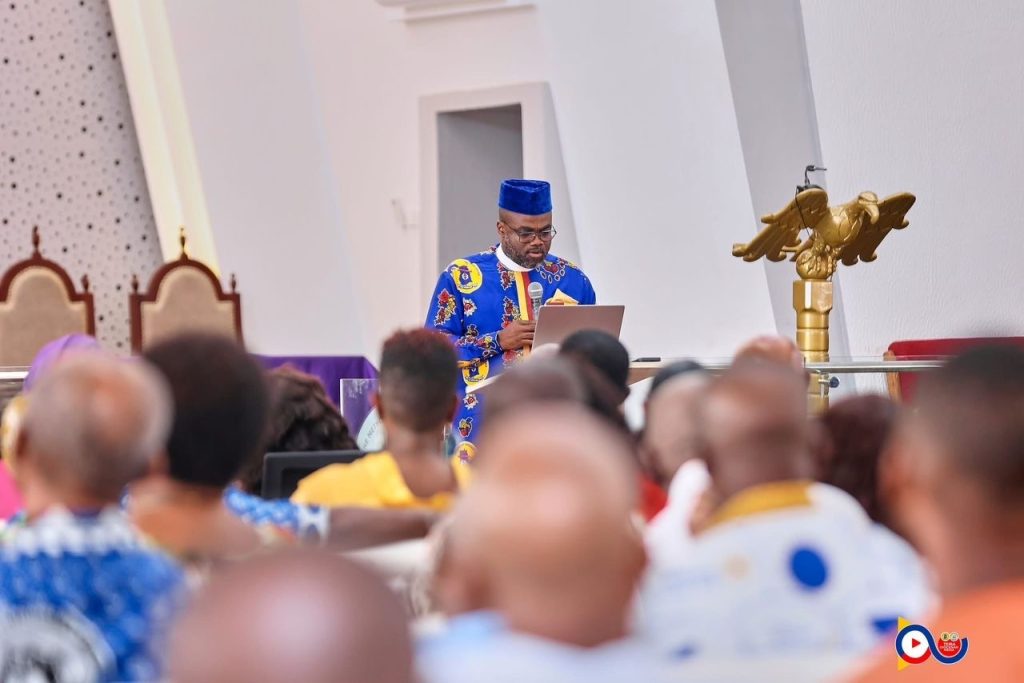
The Very Rev. Adzika revealed this during the Bannerman / Aryee / Laryea Lectures organised by the Methodist Church Ghana, Tema Diocese, on the theme: “Equipped for Every Good Work: Navigating the Nexus Between Youth Unemployment and Mental Wellbeing.”
He revealed that a recent census conducted by the Tema Diocese of the Methodist Church of Ghana, showed a staggering 91 per cent perception of unemployment among the youth.
He stated that the data, which sampled young people across the industrial enclave, indicated that 24 per cent of respondents suffered from chronic anxiety and difficulty in relaxing, directly attributed to their economic status.
“Data cannot lie. We are seeing a generation that is not only struggling to find work but is also battling severe psychological repercussions,” he said.
He noted that while Tema was historically designed as an industrial hub to provide immediate employment for school leavers, the current economic landscape had become completely different, leaving many graduates stranded.
An analysis of the census data showed a disparity in qualifications, with majority of the youth holding diplomas and higher national diplomas (HND), while only 5.7 per cent possessed first degrees.
The Very Rev. Adzika said most of the respondents blamed their situation on a lack of professional skills, insufficient academic qualifications, and a perceived lack of support from church elders, pastors, and parents.
He challenged the Church to move beyond spiritual activities and adopt a strategic partnership between the clergy and the lay movement to provide practical solutions.
“When the lay goes out to work and brings in resources, it helps the church to progress. It is now time for the church to use that same togetherness to create job placements and skill-training interventions for our youth,” he added.
The Very Rev. Adzika called for immediate action to address the mental health implications of the crisis, warning that the system was not favouring the youth and that the church must act as a family to prevent further frustration and despair.
GNA
Edited by Laudia Anyorkor Nunoo/ Christabel Addo