A feature by Delassie Mabel Awuku
Accra, May 27, GNA – There is an African proverb that says: “The tongue has no bone, yet it can break a heart.”
For generations, African societies relied not only on laws but also on values of restraint, wisdom and respect to preserve peace and harmony within communities.
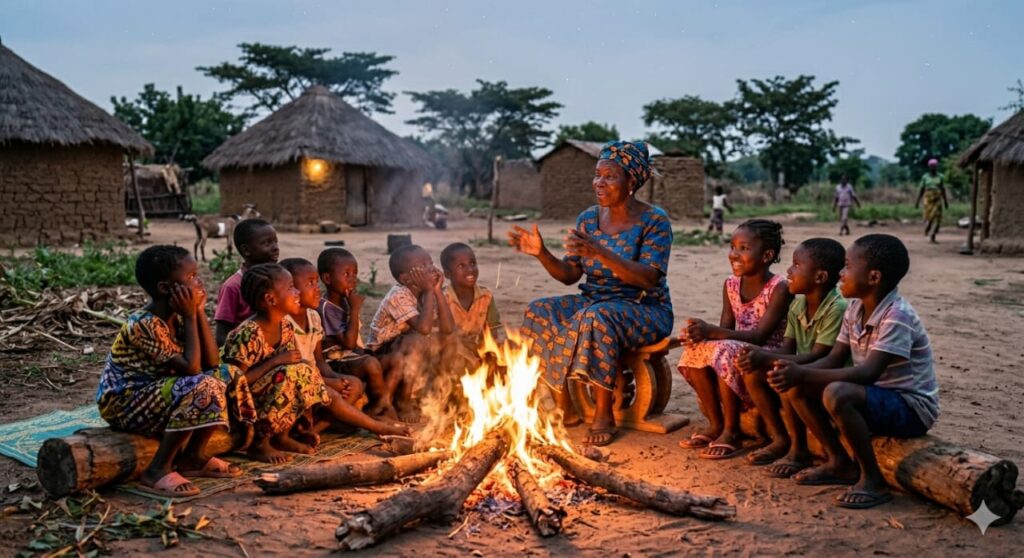
In Ghanaian tradition, speech has always been regarded as a powerful tool that can either unite or divide society. Elders taught children to speak with humility, especially when correcting or disagreeing with others.
Respectful engagement was seen not as weakness, but as wisdom and maturity.
Across many African societies, ethical conduct and responsible speech have long been regarded as pillars of peaceful coexistence.
Communities upheld discipline, civility and mutual respect as essential values necessary for social harmony, stability and nation-building.
Freedom of speech remains one of the most cherished pillars of democracy.
It gives citizens the liberty to express opinions, question leadership, demand accountability and contribute meaningfully to national development without fear.
Ghana’s democratic stability over the years has largely been strengthened by this constitutional right, which allows citizens to openly discuss matters affecting governance and society.
Yet, there is an increasing misunderstanding among some sections of society, particularly parts of the younger generation, about what free speech truly means.
Freedom of speech does not mean freedom to insult, threaten, incite violence or deliberately undermine the dignity of others. Democracy was never established to encourage reckless conduct, abuse or lawlessness. Rather, it was designed to promote responsible participation, tolerance and peaceful coexistence.
Traditionally, Ghanaian culture places enormous value on respect for elders and authority. Even in moments of disagreement, people were expected to communicate with restraint and decorum.
That culture helped preserve social harmony in homes, communities and the wider society for generations.
However, the rise of social media and modern communication platforms has significantly altered public discourse.
Today, many individuals freely sit before cameras, microphones and mobile phones to launch verbal attacks on leaders, traditional authorities and fellow citizens in ways once considered unacceptable within Ghanaian society.
More disturbing is the growing trend where some individuals openly call for violence, harm or even death against others because of political differences or opposing views.
Such conduct cannot be normalised under the guise of free speech.
There is a dangerous assumption among some people that democracy permits unrestricted speech without consequences. That notion is false.
Rights come with responsibilities. While freedom of speech is protected under the law, it is not absolute. Citizens equally have the right to peace, dignity, safety and protection from harm.
When speech threatens public peace, national security or the safety of individuals, the law has every right to intervene.
Constructive criticism remains essential in every democracy. Citizens have every right to question government decisions, challenge policies and express dissatisfaction with national issues.
Indeed, constructive criticism often strengthens governance by promoting transparency and accountability.
However, criticism must not degenerate into hate speech, incitement, defamation or threats of violence. Once speech infringes on the rights and security of others, legal consequences become inevitable.
This is where the African philosophy of Sankofa becomes relevant.
The wisdom of Sankofa teaches that society must return to the valuable lessons of the past to guide the future.
Ghana really needs to revisit the ethical foundations that once shaped responsible communication and public conduct.
Political differences should not blind society to the gradual erosion of values such as respect, discipline, patience and civility.
Parents, teachers, religious leaders, traditional authorities and the media all have critical roles in rebuilding these virtues.
Young people, especially, must understand that being outspoken does not require being disrespectful. One can disagree strongly while still maintaining dignity and courtesy.
Wisdom in speech is not cowardice. It reflects maturity and emotional discipline.
The media and social media influencers also carry enormous responsibility in shaping public discourse. Platforms that glorify insults, sensationalism and verbal attacks for political attention or popularity contribute to the deterioration of national conversations.
Society must stop rewarding reckless behaviour with applause and visibility.
No nation can achieve meaningful development in an atmosphere dominated by hatred, insults and threats.
Peace remains the foundation upon which democracy survives and national progress thrives.
If citizens abuse freedom of speech in ways that endanger national stability, democracy itself becomes vulnerable.
Freedom of speech, therefore, is not a licence for irresponsibility. It is a constitutional right that must be exercised with wisdom, caution and consideration for others.
Speech may be free, but responsible speech is what sustains peace, unity and national development.
Preserving values such as civility, discipline and mutual respect remains essential for building a healthy democratic society.
Future generations must be guided to understand that ethical conduct and responsible speech are not outdated traditions, but enduring virtues necessary for peace, unity and national development.
There is another African saying that: “Wisdom is like fire; people take it from others.” Thus, the responsibility to pass on values of respect, discipline and ethical conduct, therefore, rests with every generation.
GNA
Edited by Beatrice Asamani Savage
Delassie Mabel Awuku is a staff of the Information Services Department and Head of the Public Relations Unit of the Ministry of Tourism, Culture and Creative Arts