By Muniratu Akweley Issah
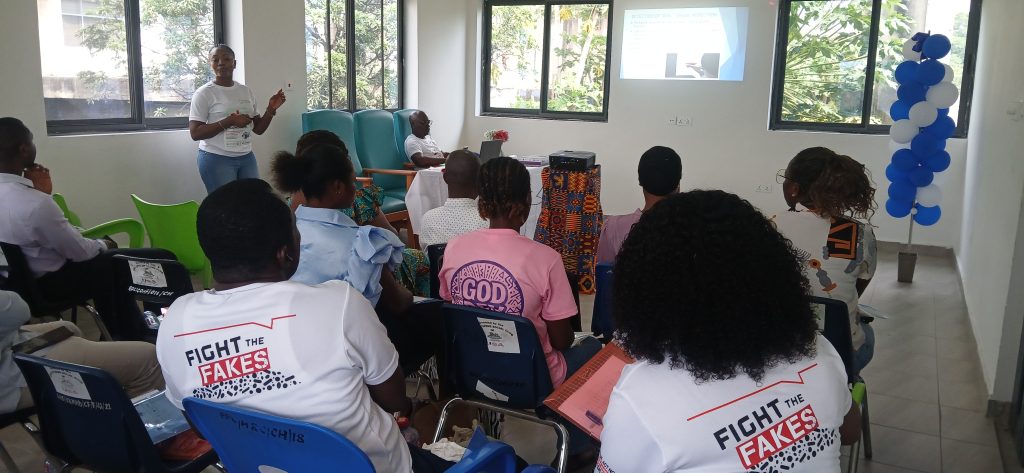
Accra, Dec 5, GNA – Some Community pharmacists in Accra have received specialized training on how to detect falsified medications to help prevent antimicrobial resistance.
Ms Wendy Anokyewaa Manu, a Senior Pharmacist at the Adabraka Polyclinic, said the training was crucial as the misuse of antibiotics and poor-quality drugs were undermining efforts to manage infections nationwide.
The training for the community pharmacists was on the theme: “Be aware, Act now. Let’s fight against fake medications.”
She expressed concern over the influx of fake and substandard medicines circulating on the market coupled with the increasing failure of common antibiotics in the treatment of routine infections and stressed the need to intensify public education and training for the health professionals.

Antimicrobial resistance occurs when microorganisms such as bacteria and viruses become stronger than the antibiotics meant to destroy them.
It is a situation where some medications, such as antibiotics, become ineffective in the treatment of infections, and this is because the organisms have changed, which means that the body gets used to the medicine, replicates, and becomes stronger than the antibiotic, she said.
The senior pharmacist noted that improper storage of medicines, underdosing, overdosing, and self-medication were major causes of drug resistance, saying, “People keep antibiotics at market stalls or in hot spaces, take half the recommended dose, or stop taking them after a few days because they feel better. All these practices fuel resistance.”
“Fake and substandard medicines, especially antibiotics, worsen the crisis. When patients unknowingly consume poor-quality antibiotics, the infection persists, forcing microorganisms to adapt and survive, thereby accelerating resistance.”
The World Health Organization estimates that one in every ten medicines in low- and middle-income countries, may be falsified or substandard, a situation she described as a major threat to public health.
She explained that the training was thus aimed at strengthening antimicrobial stewardship and equip them to detect falsified and substandard medications.
Mr Mawuena Asima, a member of the Commonwealth Pharmacists Association, emphasized that quality control was critical, as best medical practices continue to fail when patients use poor-quality drugs.
“It’s not the client’s fault if they walk into a pharmacy and buy a falsified medication. That is why today’s training focuses heavily on quality. Fake medicines can lead to prolonged illness, long hospital stays, higher medical bills, and even death,” he said.
He emphasized that many health conditions presented similar symptoms, making self-medication dangerous, saying, “You cannot assume every fever is malaria or that what you had before is the same illness now. Only a qualified doctor or pharmacist can diagnose and prescribe safely.”
Mr Asima noted that community pharmacists were often the first point of call for patients and therefore played a key role in ensuring the medicines stock were authentic, properly stored, and safely dispensed.
“If community pharmacists unknowingly stock falsified drugs, the entire community is at risk. They must be able to detect and report suspicious medicines while ensuring proper storage at home, noting that heat, direct sunlight, and improper temperatures could destroy medicines even before their expiry dates,” he said.
The member of the Commonwealth Pharmacists Association also urged the public to stop abusing antibiotics, avoid self-medication, and ensure that the medicines they purchased were approved by the Food and Drugs Authority.
He said antimicrobial resistance was among the top 10 global health threats and undermined progress toward achieving the Sustainable Development Goals (SDGs), particularly those related to health and well-being.
GNA
Edited by Christian Akorlie