By Benjamin Adamafio Commey, GNA
Accra, July 19, GNA – Accra, July 15, GNA – The World Bank has equipped staff of the Ghana Revenue Authority (GRA) with Social and Behaviour Change Communication (SBCC) skills to strengthen voluntary tax compliance, improve taxpayer engagement and support Ghana’s domestic revenue mobilisation efforts.
The training, done in partnership with the Swiss State Secretariat for Economic Affairs (SECO), was designed to equip GRA officials with practical skills to better understand taxpayer behaviour, improve communication with taxpayers, build public trust, and support ongoing reforms aimed at creating a more customer-centred and efficient tax administration.
It also sought to enable participants to apply behavioural insights in designing communication strategies that encouraged voluntary compliance, simplify taxpayer engagement, and improved service delivery.
The programme formed part of broader efforts to strengthen domestic revenue mobilisation by complementing digital transformation and tax administration reforms with evidence-based communication approaches that influence taxpayer behaviour positively.
Speaking at the training in Accra, Dr. Alex Adomako Mensah, Commissioner of the GRA’s Support Services Division, said effective communication had become a critical component of modern tax administration, noting that sustainable compliance was achieved not only through enforcement but also through trust, transparency and quality service delivery.
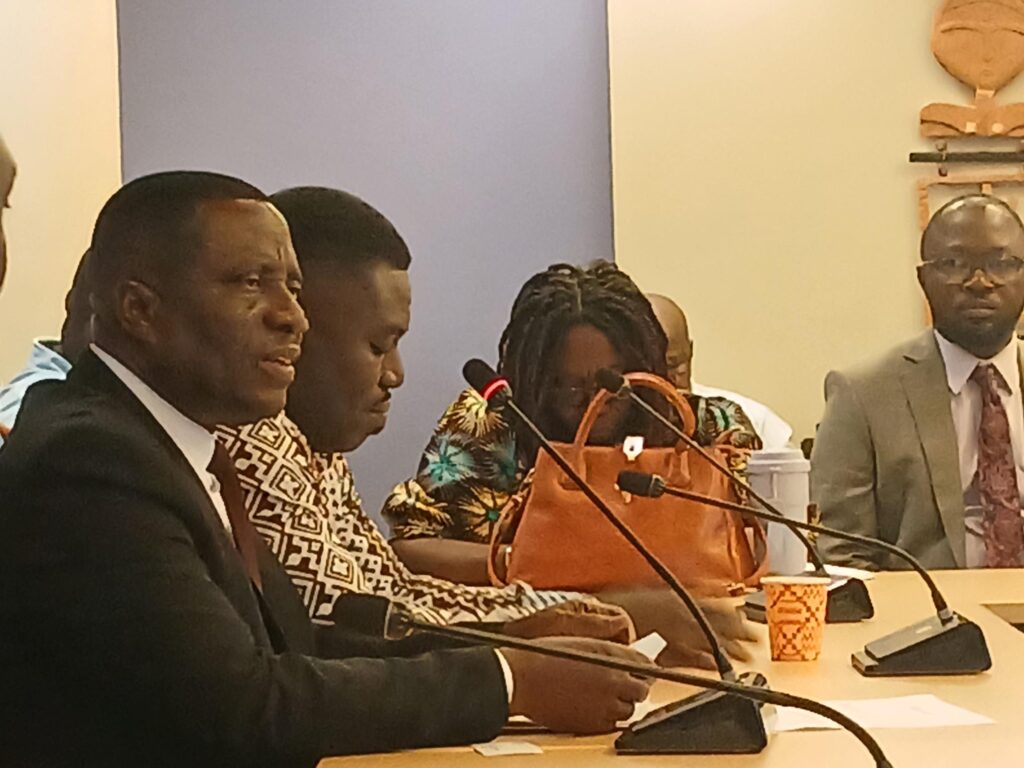
He said taxpayers were more likely to comply voluntarily when they clearly understood their obligations, received timely and accurate information, and believed they were being treated fairly.
The Commissioner said the training aligned with the Authority’s transformation agenda and its vision of “Transformation for Impact and Growth”, which supports the ambitious target of mobilising GH¢360 billion in revenue by 2028.
He explained that while investments in digital systems and innovations, including the GovTech Innovation Challenge, were improving tax administration, communication remained essential in helping taxpayers understand services, navigate processes confidently and maintain productive engagement with the Authority.
He urged GRA staff to move beyond viewing taxpayers as transactions and instead understand the experiences and perceptions that shape their decisions.
“When we understand these factors, we can design services that are simpler, communications that are clearer, and interventions that encourage voluntary compliance in a respectful and effective manner,” he said.
The Commissioner emphasised that every interaction between GRA officers and taxpayers either strengthened or weakened public trust, stressing that professionalism, integrity, empathy and transparency were indispensable in building confidence in the tax system.
Mr Raymond Muhula, Lead Public Sector Specialist at the World Bank, said strengthening voluntary tax compliance had become increasingly important as countries sought to expand domestic revenue mobilisation amid declining external financing and growing public demand for quality public services.
He said compliance was influenced not only by legislation and enforcement but also by how citizens perceived fairness, simplicity, transparency and accountability within the tax system.
“Social and Behaviour Change Communication is not simply publicity. It is a disciplined approach to understanding what people know, what they believe, what they fear, what motivates them and what prevents them from acting,” he said.
Mr Muhula said communication strategies informed by behavioural evidence could help close the gap between tax administration and taxpayer behaviour by translating technical reforms into messages citizens understood and trusted.
He noted that Ghana was implementing several tax administration reforms, including measures supported under the World Bank’s US$150 million Public Financial Management for Service Delivery Programme, adding that such reforms would deliver greater results when accompanied by clear, inclusive and practical communication.
He called for stronger collaboration among government institutions, civil society organisations, professional associations, traditional authorities, academia, the media and development partners to build a culture in which paying taxes was viewed as responsible citizenship and an investment in national development.
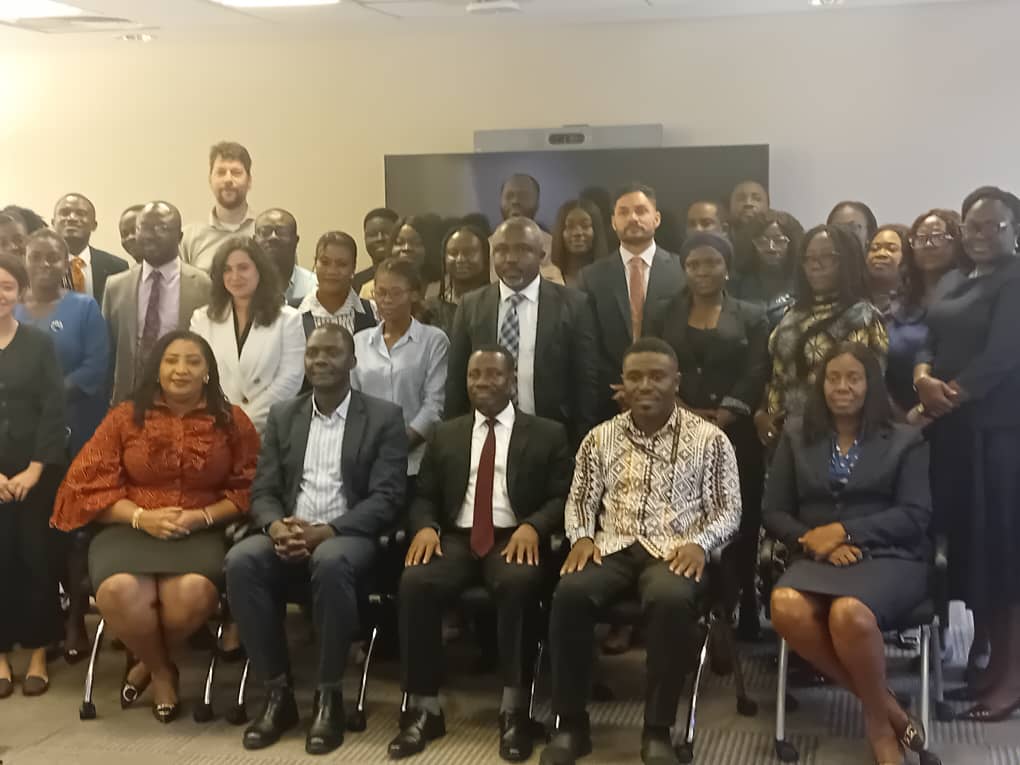
Dr Charles Abbey, Governance and Public Financial Management Specialist at SECO, commended the progress made by the GRA over the years, particularly since the institutional reforms that led to the establishment of the Authority.
He reaffirmed SECO’s commitment to supporting the World Bank and the GRA in advancing tax administration reforms and expressed confidence that the training would contribute to achieving the Authority’s transformation agenda and long-term domestic revenue mobilisation goals.
Dr Abbey urged participants to translate the knowledge gained into practical improvements that would enhance tax administration and strengthen voluntary compliance across the country.
GNA
Edited by Kenneth Odeng Adade
Reporter: Benjamin Adamafio Commey
[email protected]