By Yussif Ibrahim
Nungu (U/E), July 11, GNA – As part of the implementation of the Adaptation and Vulnerability – Strengthening Transdisciplinary Engagement for Climate Resilience (AV-STEC) Project, officials of the Centre for Biodiversity Conservation Research (CBCR) have undertaken stakeholder engagements in three communities earmarked for irrigation systems.
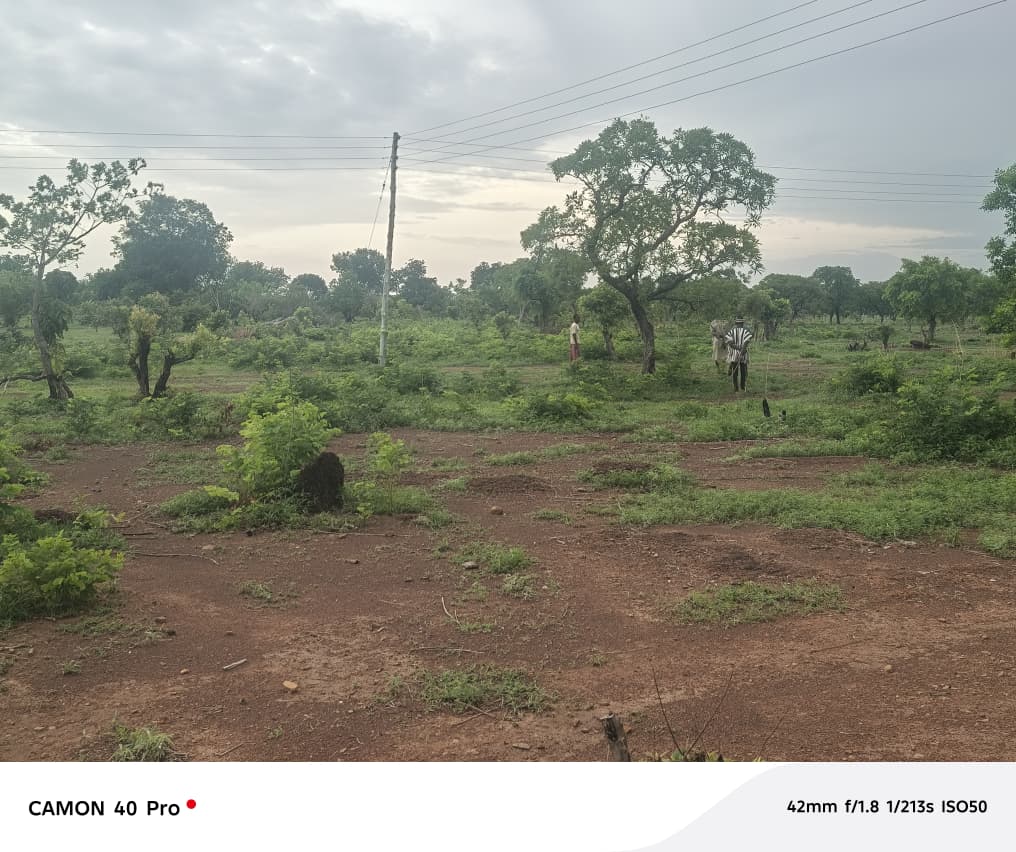
The engagements took place in Yapei in the Central Gonja District, Sariba in the West Mamprusi Municipality and Nungu in the Talensi District, where project officials, community members and a contractor expected to execute the works inspected proposed sites for the irrigation facilities.
The exercise sought to ensure that the facilities are strategically located to maximize benefits for beneficiary communities while promoting local ownership and sustainability.
The irrigation systems form part of a package of climate-resilient interventions being implemented under the AV-STEC Project to support vulnerable communities along the White Volta Basin in Ghana and Burkina Faso that are frequently affected by flooding linked to the annual spillage of the Bagre Dam.
The floods often result in the destruction of farmlands, loss of livelihoods, food insecurity and damage to infrastructure, leaving affected communities increasingly vulnerable to the impacts of climate change.
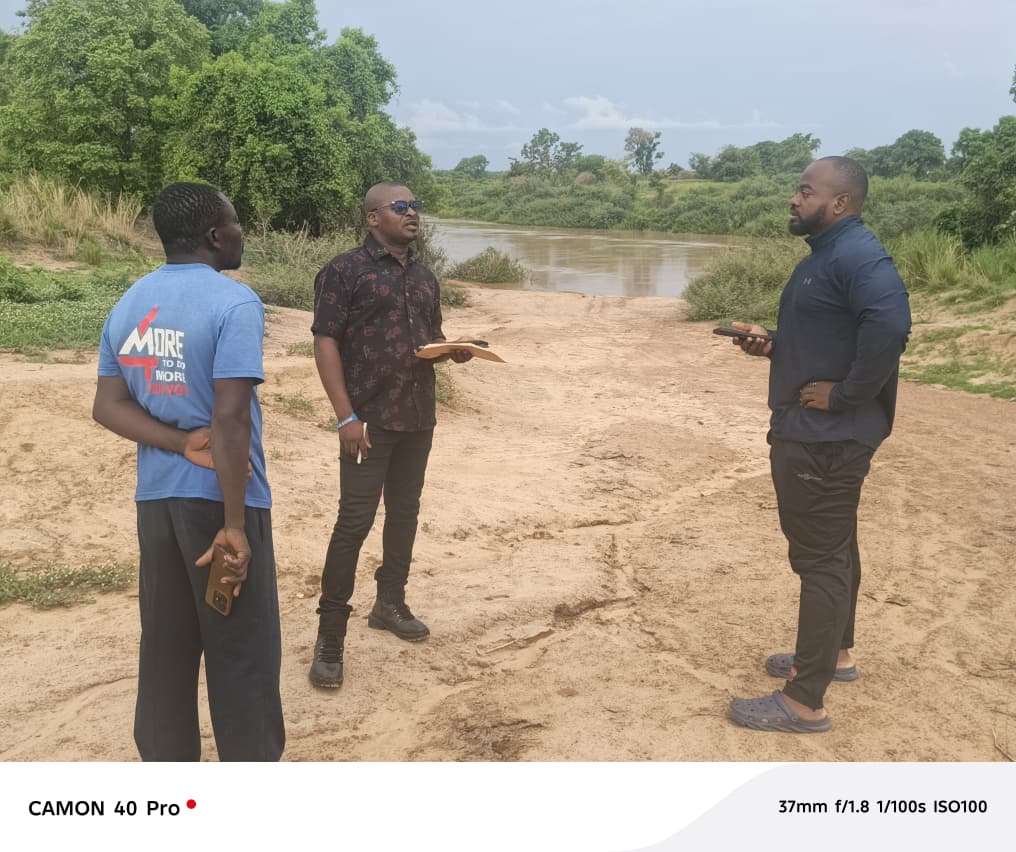
Mr. Emmanuel N. A. Taye, Field Activities Coordinator for the AV-STEC Project, said community participation was critical in determining the the system selection locations of the irrigation facilities since the communities would be the direct beneficiaries.
He said the engagements form part of the co-creation component of the project, which is a very crucial aspect of the project.
According to him, giving community members the opportunity to influence decisions on the project would foster ownership and ensure the long-term sustainability of the facilities.
He said the irrigation systems were expected to enable year-round farming, improve agricultural productivity, and strengthen livelihoods in the beneficiary communities.
The contractor engaged community members during the visits to discuss technical considerations for the siting of the facilities and to gather local perspectives that would guide the final selection process.
In line with the part of the project’s goal of pursuing nature-based solutions, some of the communities proposed to use locally sourced fencing materials to keep stray animals away from the farms, especially during the dry season.
The AV-STEC Project is a transboundary climate adaptation initiative aimed at strengthening the resilience of communities in Ghana and Burkina Faso to climate variability, flooding and other environmental challenges.
The project promotes climate-resilient agriculture, ecosystem restoration, sustainable natural resource management, disaster risk reduction, and livelihood improvement interventions to help vulnerable populations adapt to the effects of climate change.
It is being implemented by the Centre for Biodiversity Conservation Research (CBCR) of the University of Ghana in collaboration with partner institutions and stakeholders in Ghana and Burkina Faso.
The project is funded through the Climate Adaptation and Resilience (CLARE) Programme, a UK-Canada initiative that supports research and action to help communities build resilience to climate change.
CLARE is jointly funded by the United Kingdom’s Foreign, Commonwealth and Development Office (FCDO) and Canada’s International Development Research Centre (IDRC).
Community members expressed optimism that the irrigation systems would improve access to water for farming during the dry season, increase crop production and create sustainable livelihood opportunities.
The intervention is expected to contribute significantly to food security and climate resilience efforts in communities along the White Volta Basin while reducing vulnerability to recurrent flooding and changing weather patterns.
GNA
Edited by Kenneth Odeng Adade
Reporter: Yussif Ibrahim