By Philip Tengzu
Nandom, June 12, GNA – School children in the Nandom E/A Basic School and patients at the Piiri Health Centre in the Nandom Municipality can now heave a sigh of relief in accessing improved water, sanitation and hygiene (WASH) services.
This follows the construction of toilet facilities, a changing room for menstrual hygiene management and handwashing facilities at the school, expected to serve over 200 pupils, and a mechanised water system at the Piiri Health Centre.
The Netherlands Development Organisation (SNV) constructed the facilities under the WASH component of the Healthy Future for All (HF4A) Project with funding from the Helmsley Charitable Trust.
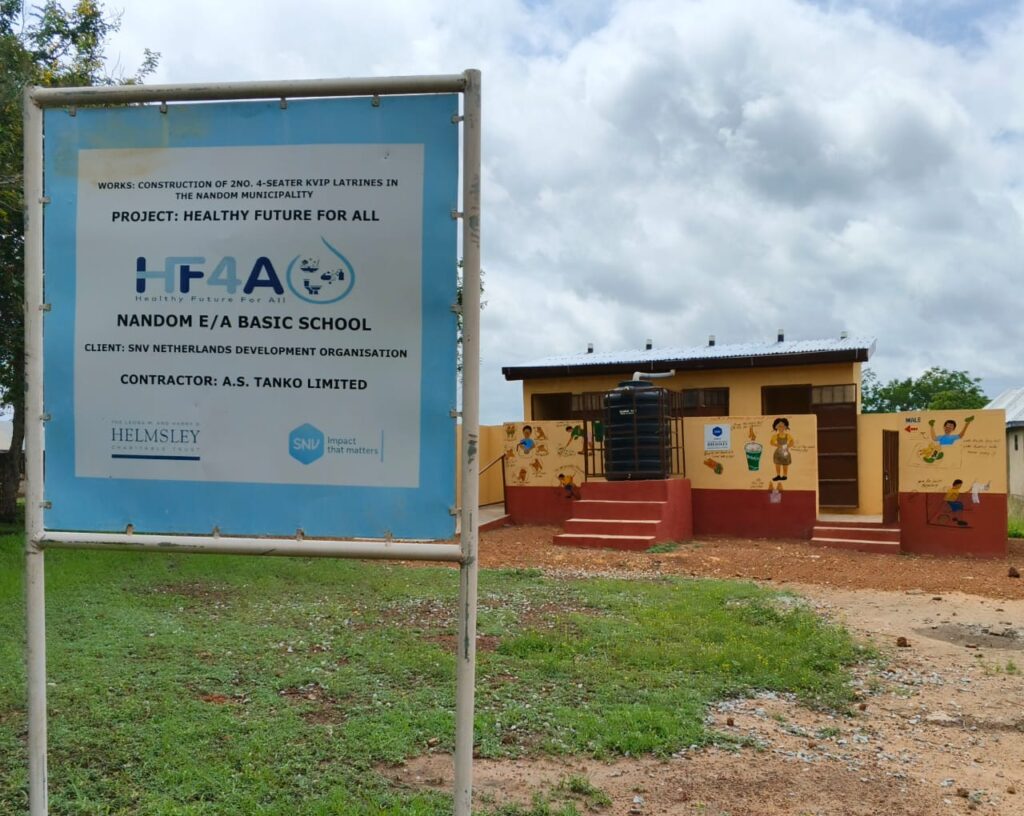
The two institutions were a fraction of the institutions and communities in the Nandom and Lambussie Districts that have benefited from similar facilities from the SNV.
The project sought to, among other things, increase the adoption of healthy WASH practices and improve investment in WASH infrastructure in schools, health facilities and communities.
Speaking during a media engagement in Nandom, Abdul Samed Mohammed, a pupil of the school, said they, hitherto, relied on the bushes and a community toilet facility for defecation, which exposed them to health and safety risks.
“The bush was dangerous because we could be attacked by animals such as snakes,” he said, adding, “Some of us also usually went home to respond tom nature’s call, and did not return to school that day”, he said.
Kadijah Abdallah, another pupil, said the absence of toilet facilities and changing rooms facilities for girls affected girls during menstruation.
She explained that some girls had to go home to change sanitary materials and often failed to return to school, which negatively affected their studies.
They, however, said the new facility had improved access to WASH and sanitation practices in the school; and girls could also safely change and clean themselves in school during their menstrual periods.
Madam Ayisha Ibrahim, the Headmistress of the school, said the pupils and staff of the school were exposed to dangers, especially during the rainy season when reptiles were common around the area.
She narrated an instance when a crocodile attacked a goat in a nearby bush at the school and said it could have been a pupil or a staff member the crocodile attacked.
She thus expressed gratitude to SNV and its partners for the intervention.
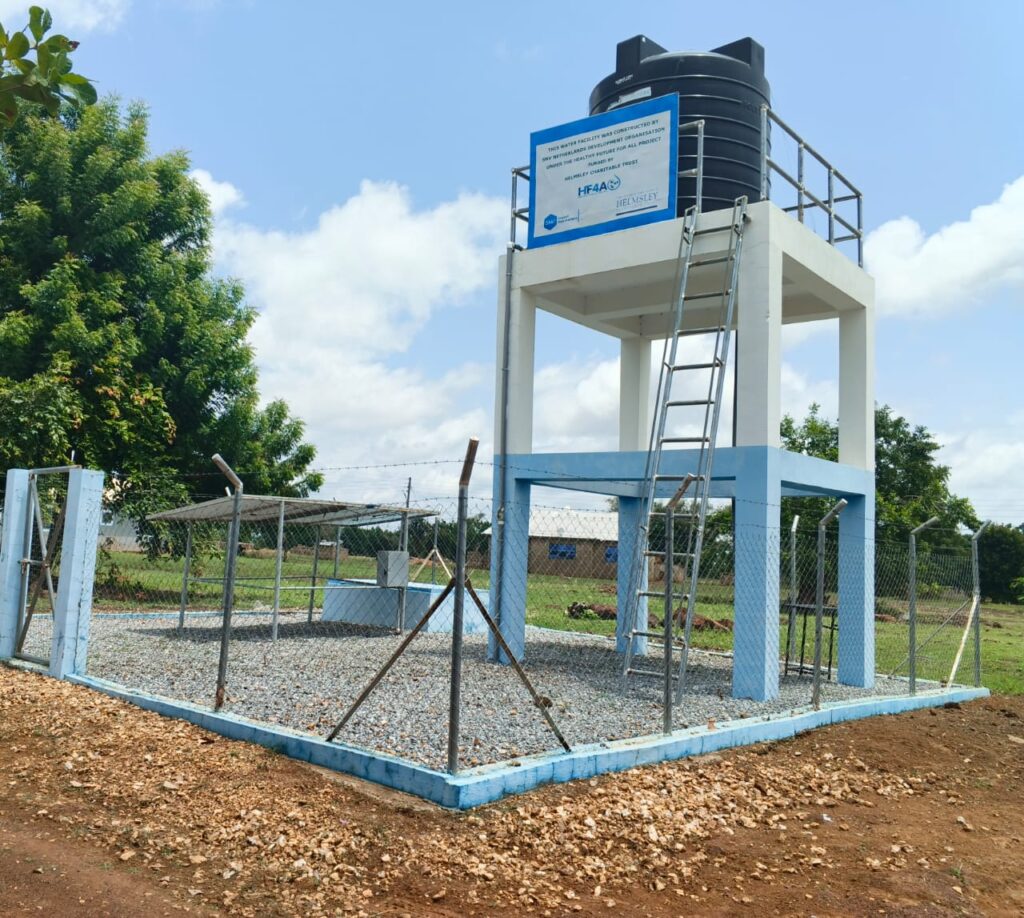
At the Piiri Health Centre, where the SNV constructed a mechanised borehole and toilet facility, health workers and community members expressed joy that the intervention had significantly improved healthcare delivery.
Madam Victoria Degurah, a resident of the community, said the intervention had brought significant relief to the people in the area, particularly women.
She said the residents, including pregnant women, were compelled to carry water from home for use by health workers during service delivery.
Mr Paul Ziema Sunkari, a Staff Nurse at the facility, said the facility had brought relief to pregnant women in the community.
“Now our pregnant women do not carry water to the facility. We have water for deliveries, cleaning and other services,” he said.
Ms Theresa Swanzy-Baffoe, the HF4A Project Manager, said the organisation selected those institutions for the interventions after identifying challenges the people were facing in accessing decent WASH services.
She emphasised the importance of community ownership and maintenance to ensure sustainability of the facilities.
The interventions also sought to contribute to Ghana’s efforts in universal access to safe WASH services under Sustainable Development Goal Six.
GNA
Edited by Benjamin Mensah
Reporter: Philip Tengzu, GNA
Email: [email protected]