Koforidua, June 23, GNA – The Centre for Public Interest Law (CEPIL) has called for reforms to Ghana’s mining compensation regime, arguing that affected communities deserve fairer, more adequate and sustainable compensation for lands, crops and livelihoods lost to mining activities.
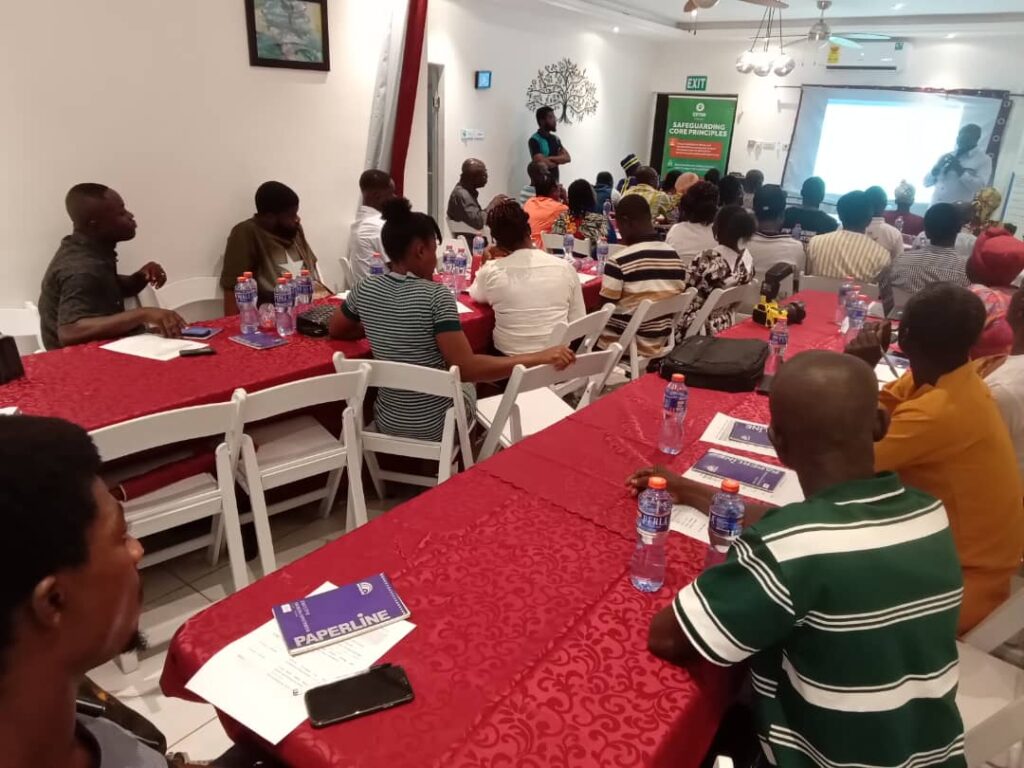
The call came during a legal literacy and capacity-building programme for mining-affected communities in the Eastern Region under the Fair Finance Project, which is supported by Oxfam in Ghana.
Mr Augustine Niber, Executive Director of CEPIL, said compensation remained one of the most contentious issues in mining communities, particularly for farmers whose livelihoods depended on long-term crops such as cocoa, oil palm and citrus.
“The biggest issue has always been the determination of the rate of compensation, particularly to be paid for crops,” he said.
Mr Niber noted that while compensation packages might appear substantial when paid as lump sums, they often failed to reflect the long-term income farmers would have earned from their farms.
“For several years to come, they would continue to live on those crops and farms. But unfortunately, the type of rates determined and paid to them are usually one-time payments,” he said.
He explained that cocoa farms, for example, could provide income for generations, yet compensation was often calculated as a one-off payment that left affected farmers without sustainable means of support once the money was exhausted.
Mr Niber said the 1992 Constitution required fair, adequate and prompt compensation for persons affected by compulsory acquisition or loss of property, but many affected communities continued to face challenges in accessing such protections.
He also argued that aspects of Ghana’s mining laws required review, contending that the legal framework was largely designed to attract foreign investment into the extractive sector.
“If you look at our law and the memorandum that established the law, you will see that it is skewed towards the attraction of foreign direct investment into the sector,” he said.
“The law seems, to a larger extent, to protect foreign operators to the detriment of community people.”
According to him, this situation exposed communities to vulnerabilities, including inadequate compensation, human rights concerns and limited bargaining power during negotiations.
Mr Niber said CEPIL introduced the training to help community members better understand mining laws, compensation procedures and their rights under existing legal frameworks.
He expressed the hope that participants would transfer the knowledge acquired to others in their communities and advocate for improvements in mining governance and compensation practices.
Some participants shared concerns about the impact of mining activities on farming livelihoods.
Mr Kwabena Frimpong, a farmer from Adausina in the Birim North Municipality, alleged that many affected residents remained dissatisfied with compensation arrangements associated with mining operations in their area.
“Bitterness, everybody is bitter,” he said. “They have lost their land, and all that they know is farming.”
Mr Frimpong claimed that many farmers lacked the technical and legal knowledge required to negotiate compensation effectively and often felt disadvantaged during discussions with mining companies.
The training formed part of CEPIL’s broader efforts to build legal awareness in mining communities and strengthen citizen participation in decisions affecting natural resource governance and community livelihoods.
Participants included community leaders, farmers, landowners, women, youth, persons with disabilities, and civil society actors.
Some participants noted that the trained helped to enhance their knowledge on the laws governing mining operations, compensation procedures, negotiation strategies, and available avenues for legal redress.
GNA
Kenneth Odeng Adade
Reporting by D.I. Laary
[email protected]