By Anthony Adongo Apubeo, GNA
Bongo (U/E), June 23, GNA – The Bongo Traditional Council has intensified efforts to eliminate child marriage, teenage pregnancy, and other harmful cultural practices in the Bongo District, positioning traditional authorities as key drivers of social transformation and child protection.
The Council, through its network of chiefs and queen mothers, has embarked on sustained community engagements, school sensitisation campaigns, and advocacy initiatives aimed at safeguarding the rights and future of children, particularly girls.
Through these intensified efforts, many communities, particularly parents, have become aware of the dangers associated with teenage pregnancy and child marriage and have stopped the practice of giving their children, particularly girls, out for marriage.
The move has helped to reduce the incidence of teenage pregnancy and child marriage in the area, for which the Bongo District was known to have a high prevalence.
These came to light in Bongo during a stakeholder engagement among officials of the Upper East Regional Coordinating Council, the Departments of Gender and Children under the Ministry of Gender, Children and Social Protection, the United Nations Population Fund (UNFPA), and the Bongo Traditional Council.
The engagement was a follow-up meeting to review progress made following the district’s 2024 declaration to end child marriage and to discuss strategies to sustain the gains achieved as part of efforts to eliminate child marriage, funded by the UNFPA.
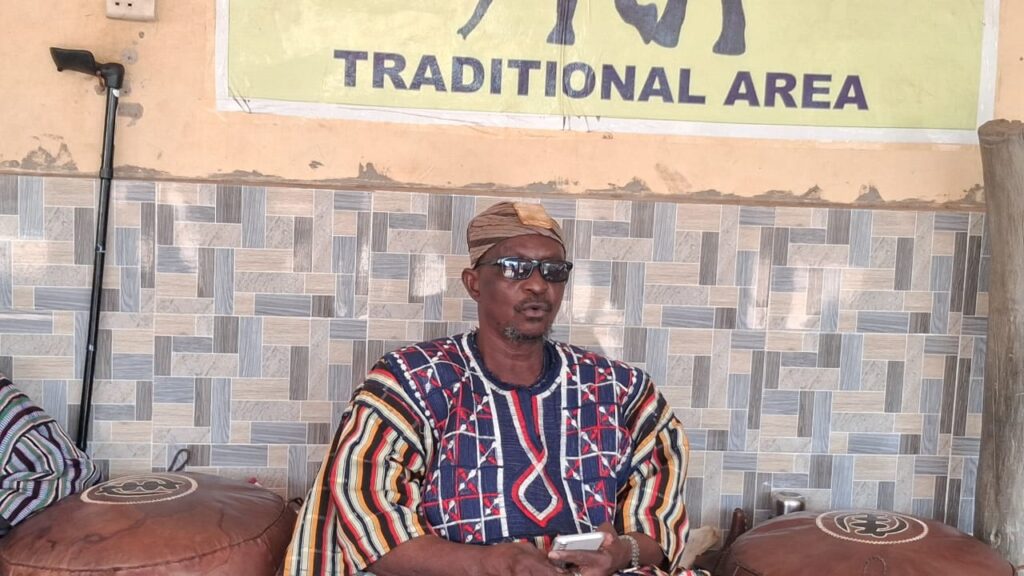
Naba Baba Salifu Atamale Lemyaarum, Paramount Chief of the Bongo Traditional Area, said the Council remained committed to ensuring that child marriage became a thing of the past in the district.
Naba Lemyaarum noted that since the declaration, chiefs and queen mothers had undertaken extensive sensitisation programmes across communities and educational institutions, resulting in a significant shift in attitudes among parents.
“Parents now understand and accept that they should not force their teenage daughters into marriage, which used to be a common practice,” he said.
The Paramount Chief, however, observed that although forced child marriages had reduced considerably, some girls continued to be lured into early relationships and marriages, largely due to poverty and the influence of young men involved in illegal mining activities (galamsey).
He said the Council was advocating the passage of a district by-law to provide legal backing for efforts to combat child marriage and related harmful practices.
“We want the Assembly to support us with a by-law on ending child marriage so that we will have the legal authority to deal with offenders,” he said.
Pognaba Christian Nge, the Paramount Queen Mother of the Bongo Traditional Council, said queen mothers had taken a leading role in addressing teenage pregnancy and child marriage by engaging directly with pupils, students, parents, and community members.
Pognaba Nge explained that the queen mothers regularly visited basic and second-cycle schools to educate students on the consequences of teenage pregnancy and early marriage while encouraging them to prioritise their education.
She said financial constraints remained a major challenge, as many of the queen mothers personally funded transportation and other logistics required for the outreach activities.
Pognaba Felicia Agampoka, Queen Mother of Feo and Secretary of the Bongo Queen Mothers Association, said the group had developed a structured approach to its campaign by collaborating with the Ghana Education Service, traditional authorities, and opinion leaders.
She said the queen mothers organised community and school-based forums where students, parents, and teachers openly discussed the causes of teenage pregnancy and child marriage and jointly identified solutions.
“Our message is simple: there is time for education and there is time for marriage. Girls must stay in school and complete their education before considering marriage,” she said.
She called for stronger enforcement of laws protecting children, increased public education, and sustained support for traditional leaders championing the cause.
Stakeholders at the meeting also highlighted the need to address poverty, strengthen mentorship programmes, and regulate social activities that expose children to exploitation and abuse.
Mr James Twene, the Acting Upper East Regional Director of the Department of Gender, commended the Traditional Council for its efforts and urged it to sustain them to ensure maximum impact.
Ms Yvonne Wonchua, the Upper East Regional Focal Person for UNFPA, noted that the UNFPA would continue to support efforts aimed at protecting children from harmful practices and advocated increased education at the community level.
GNA
Edited by Caesar Abagali /Kenneth Odeng Adade
Reporter: Anthony Adongo Apubeo
[email protected]