By Yussif Ibrahim
Kumasi, June 2, GNA –The government is considering the introduction of a comprehensive free maternal healthcare package that would cover all services related to pregnancy and childbirth, including critical and emergency care currently not covered under the National Health Insurance Scheme (NHIS).
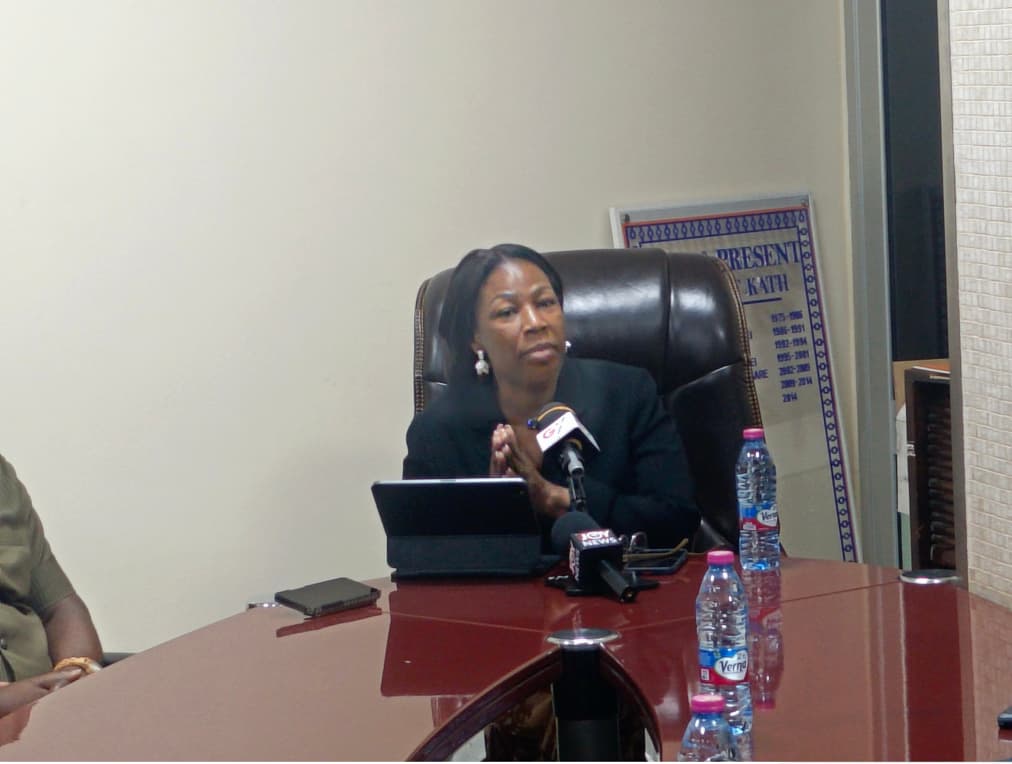
Dr. Grace Ayensu-Danquah, Deputy Minister of Health, said the proposal formed part of ongoing efforts to improve maternal health outcomes and eliminate financial barriers that prevent pregnant women from accessing quality healthcare services.
She disclosed this during a visit to the Komfo Anokye Teaching Hospital (KATH) in Kumasi by a delegation comprising officials of the Ministry of Health, members of Parliament’s Health Committee, and representatives of the United Nations Population Fund (UNFPA), as part of activities marking the International Day to End Obstetric Fistula.
Dr. Ayensu-Danquah noted that although antenatal, delivery and postnatal services were largely covered under existing maternal healthcare policies, some essential interventions and emergency treatments still attracted charges, placing an additional burden on pregnant women and their families.
“Everything to do with the pregnant woman must be free,” she stated, adding that government was exploring ways to mobilise the necessary resources to ensure that all maternal healthcare services were fully covered.
She said under the proposed arrangement, pregnant women would not be required to pay for medicines, emergency interventions or critical care services associated with pregnancy and childbirth.
The Deputy Minister observed that despite a significant increase in facility-based deliveries across the country, maternal deaths and childbirth-related complications remained a major concern.
According to her, available data showed that most women experiencing severe maternal complications sought care at health facilities, raising questions about the quality and timeliness of interventions available to them.
“Almost all of these women are coming to skilled facilities, yet they are dying. There is a huge discrepancy that we need to investigate and address,” she said.
Dr. Ayensu-Danquah stressed the need for a thorough assessment of gaps within the maternal healthcare system, including shortages of essential equipment, medicines, and specialised personnel.
She commended healthcare professionals working in maternal health services and reaffirmed the government’s commitment to strengthening the health system to reduce maternal mortality and eliminate obstetric fistula.
The visit afforded the delegation the opportunity to interact with healthcare providers and women receiving treatment at the hospital’s obstetric fistula unit and to assess ongoing interventions aimed at improving maternal and reproductive healthcare services.
The International Day to End Obstetric Fistula is observed annually to raise awareness about the condition and mobilise support for its prevention and treatment.
GNA
Edited by Linda Asante Agyei
Reporter: Yussif Ibrahim