Accra, June 12, GNA – Ghana is stepping up efforts to attract Canadian investment into its upstream oil and gas sector, positioning itself as a stable and increasingly competitive destination for global energy capital.
The move comes amid geopolitical tensions, supply disruptions, and shifting investment priorities that are reshaping the global energy landscape.
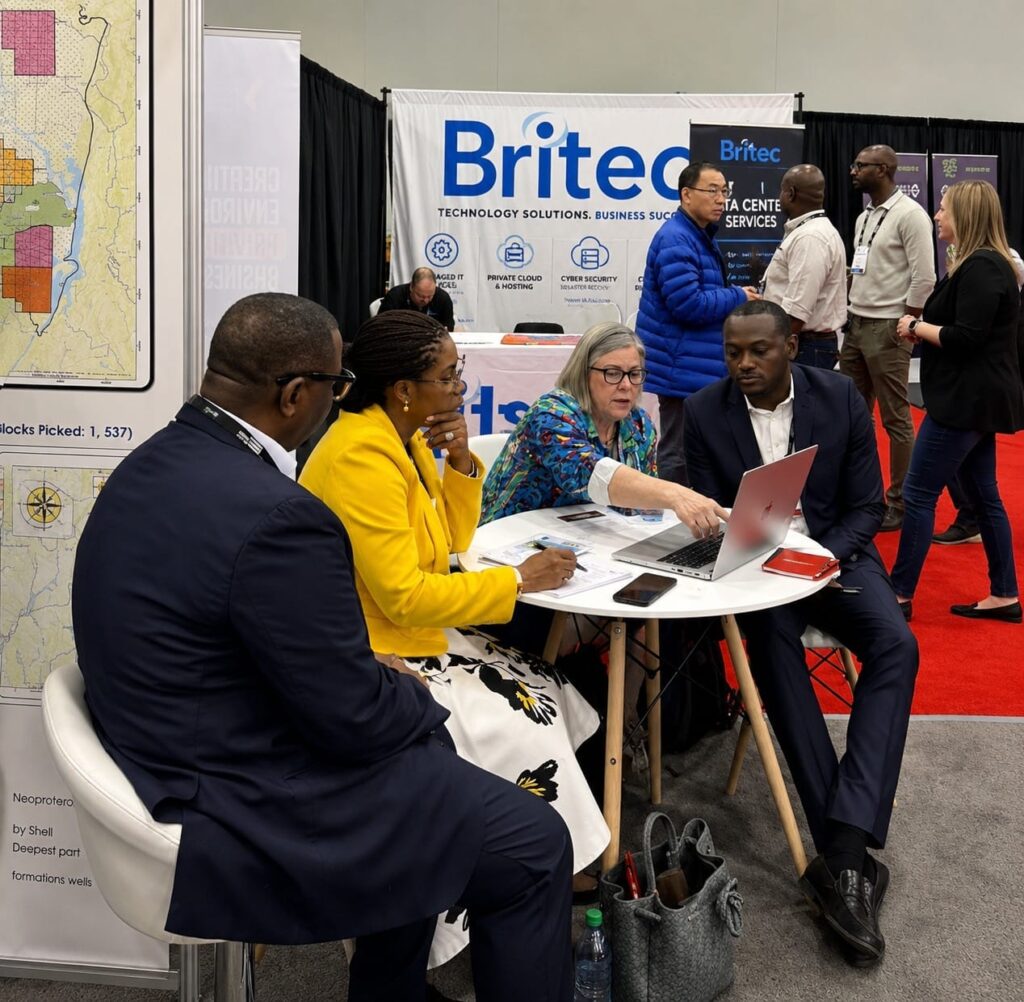
Ahead of the main stage event at the 2026 Global Energy Summit in Canada, officials of the Petroleum Commission held strategic meetings with prospective investors seeking opportunities within Ghana’s upstream oil and gas space, particularly in the onshore Voltaian Basin.
At the Commission’s exhibition booth, officials guided visitors through Ghana’s current onshore and offshore basins and highlighted the investment opportunities they present.
On the main stage, Ms Emeafa Hardcastle, Chief Executive Officer of the Petroleum Commission, is leading discussions on strengthening strategic partnerships between Ghana and Canada to unlock investment opportunities in the upstream sector for the mutual benefit of both countries.
Ms Hardcastle noted that recent volatility in global energy markets had reinforced the need for energy security, supply reliability, and diversification, prompting investors to look beyond traditional hydrocarbon destinations.
She said Ghana was well-positioned to benefit from this shift, offering substantial hydrocarbon potential across mature and frontier basins, both offshore and onshore, while addressing challenges that have historically deterred investment in some African markets.
“Ghana offers significant hydrocarbon potential across mature, frontier, onshore and offshore basins,” she said.
“We are taking practical steps to improve competitiveness and create an enabling environment for responsible investment,” she added.
Ms Hardcastle also highlighted the strong bilateral ties between Ghana and Canada, noting that both countries share common law legal systems that provide a familiar and predictable framework for investors.
She referenced previous collaborations, including partnerships that enabled Ghanaian welders to receive specialised training and certification from the Northern Alberta Institute of Technology (NAIT).
She said Ghana was now seeking to deepen this partnership by attracting Canadian expertise in advanced oilfield technologies, gas development, and infrastructure expansion.
According to her, the country is also exploring technologies to improve hydrocarbon recovery, enhance operational efficiency, strengthen field monitoring, and boost environmental and safety performance.
Ms Hardcastle further indicated that growing domestic demand for electricity and industrial development was creating opportunities for investment in gas infrastructure, including pipelines and processing facilities.
She outlined a range of opportunities available to exploration and production companies, including farm-in arrangements, appraisal programmes, and open acreage in both the Tano Basin and the Accra-Keta Basin.
She noted that the onshore Voltaian Basin, which covers approximately 40 per cent of Ghana’s landmass, had attracted increasing interest following the acquisition of seismic and geological data by the national oil company.
Preliminary assessments, she said, indicated encouraging petroleum potential and evidence of an active petroleum system.
Plans are underway to drill the first exploration well in the basin between the fourth quarter of 2026 and the first quarter of 2027, a move expected to de-risk the area and boost investor confidence.
“Ghana is open for business. We warmly invite you to come on board and choose Ghana as your preferred destination for environmentally sustainable hydrocarbon investment,” she said.
With three producing offshore fields already in operation in the Western Basin, Ghana continues efforts to reduce geological risks and uncertainties within its petroleum sector.
The 2026 Global Energy Show, held under the theme: “Capitalizing on Canada’s Energy Leadership,” is widely regarded as one of the energy industry’s premier conferences.
It brings together policymakers, investors, energy executives, technology providers, and innovators from around the world to discuss emerging trends, showcase technological advancements, and foster collaborations to shape the future of global energy.
GNA
Edited by Lydia Kukua Asamoah