By Albert Allotey
Accra, June 19, GNA – The Bible Society of Ghana (BSG) on Thursday launched a five-year project, dubbed: the “Clean and Green Earth Campaign” in Accra, with a call on Ghanaians to commit to caring for the environment.
On the theme: “Encouraging Local Action for Environmental Sustainability,” the project has a goal to mobilising communities to take grassroots ownership of their surroundings through environmental action.
The BSG will implement the initiative across the country, beginning with the Ngleshie Alata and Kinka Traditional Areas in Accra.
Activities will include greening and beautifying the James Town Palace, introducing school gardening projects, distributing waste bins, and undertaking large-scale clean-up exercises in the area.
This will be replicated in 50 communities within the five-year period.
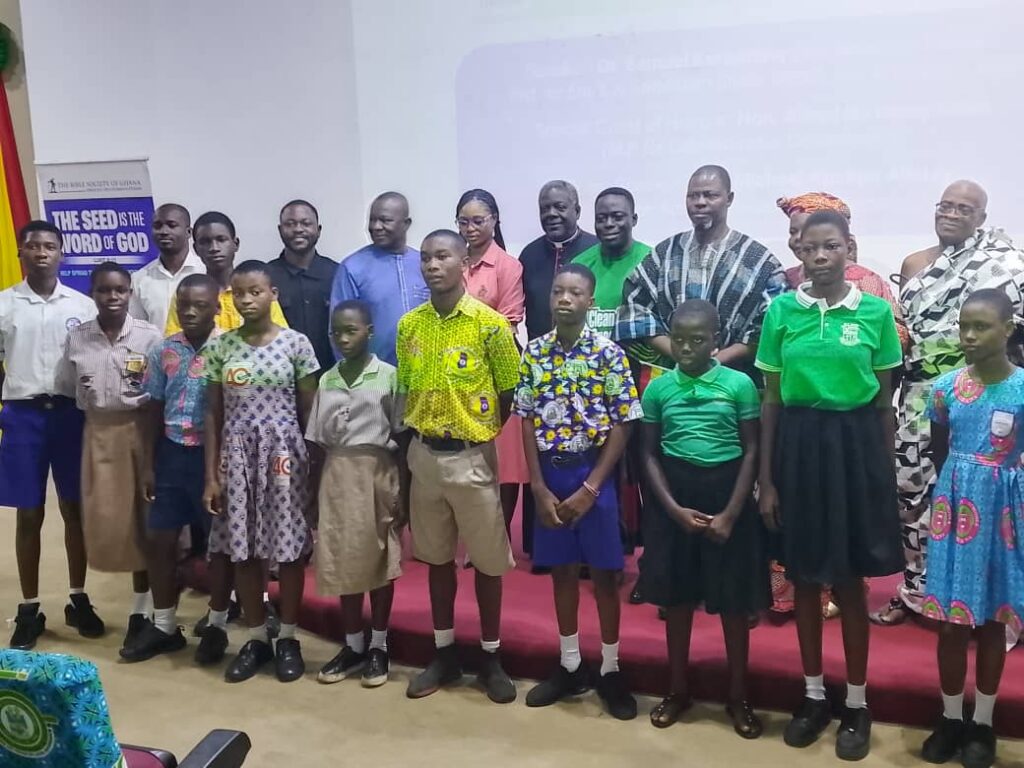
Additionally, 500 young people from 20 schools will be trained through the formation of environmental clubs.
The Very Reverend Dr John Kwesi Addo Jnr., General Secretary of the BSG, said the organisation’s commitment to the project formed part of a broader environmental stewardship agenda championed by the United Bible Societies through its Creation Care programme.
This is to achieve lasting environmental sustainability by promoting responsible stewardship of natural resources, encouraging community participation in conservation efforts, and fostering behavioural change towards a cleaner and healthier environment.
“We believe that caring for the environment is an act of worship, an expression of love for our neighbour, and a duty to the Creator,” he said.
“Today, we declare that our faith is not just bound in the pages of Scripture; it must be visible in the way we treat the earth.”
Very Rev. Dr Addo Jnr. called on the Environmental Protection Authority, the Member of Parliament for Odododiodoo, the Mayor of Accra, and the Government to strengthen partnerships to enforce environmental policies, build sustainable infrastructure, and provide consistent support to scale up the project.
He emphasised that non-governmental organisations and faith-based organisations could not do it alone.
He urged community members to take ownership of the project by ensuring that waste bins were properly used and trees planted were nurtured to maturity so that James Town became a model of sanitation excellence in Accra.
He also encouraged young people to desist from littering, take care of their school gardens, and encourage their peers to do the same.
“Let us build a cleaner, greener, and healthier future for Ghana,” he said.
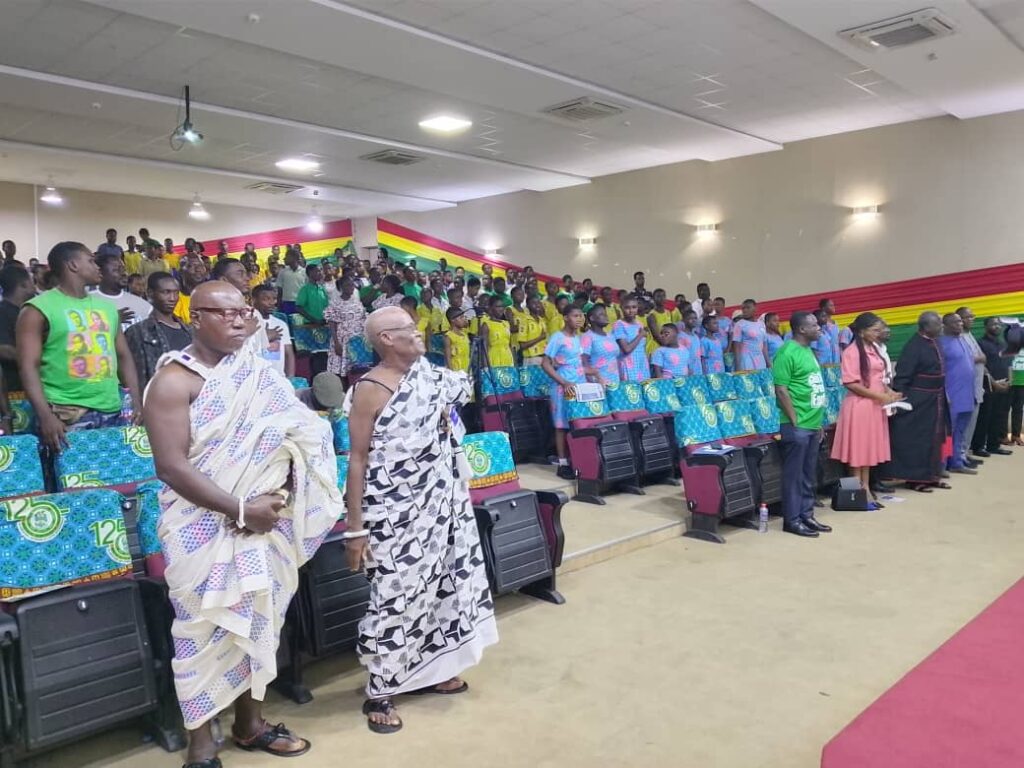
Mr Alfred Nii Kotey Ashie, the Member of Parliament for Odododiodoo, called for a united front to address poor sanitation practices, warning that failure to act could plunge the country into a serious environmental challenge.
“Some of us have observed the frequency of flooding whenever there is even the slightest rainfall. It is unprecedented and worrying. However, this did not happen overnight; it is the result of years of poor sanitation practices,” he said.
“We have been talking about not littering our streets, not dumping refuse into our drains, and not disposing of waste indiscriminately for years, but these messages have largely fallen on deaf ears,” he added.
“This is the time we need to come together as a people to secure our future,” he added.
Mr Ashie called on stakeholders to address sanitation challenges holistically and move beyond what he described as years of cosmetic interventions.
“We need to have a national plan as a country. Around the world, we have seen examples of best practices, but when we come back, what do we do?” he asked.
GNA
Edited by Agnes Boye-Doe