By James Amoh Junior
Accra, June 19, GNA – Prime Minister Mia Amor Mottley of Barbados has called for a united Africa-Caribbean front to advance the global campaign for reparatory justice.
She said the international community had reached a defining moment in its quest for accountability over the transatlantic slave trade and its enduring consequences.
Addressing the High-Level Consultative Conference on the Next Steps to the Landmark United Nations Resolution on the Trafficking of Enslaved Africans and Racialized Chattel Enslavement of Africans in Accra, the Barbadian leader said the time had come for Africa and its diaspora to transform historical recognition into concrete action and repair.
“We have come to Accra to declare that the age of accountability has finally reached the greatest crime against humanity,” she stated.
Prime Minister Mottley said the conference marked a historic moment in the global struggle for reparatory justice, following the adoption of the landmark United Nations General Assembly Resolution A/RES/80/250 earlier this year, which recognised the trafficking and racialised chattel enslavement of Africans as among the gravest crimes against humanity.
The Accra conference forms part of efforts to operationalise the UN resolution adopted on March 25, 2026.
The conference seeks to develop practical mechanisms for advancing reparatory justice through international cooperation, legal action, cultural restitution and economic transformation.
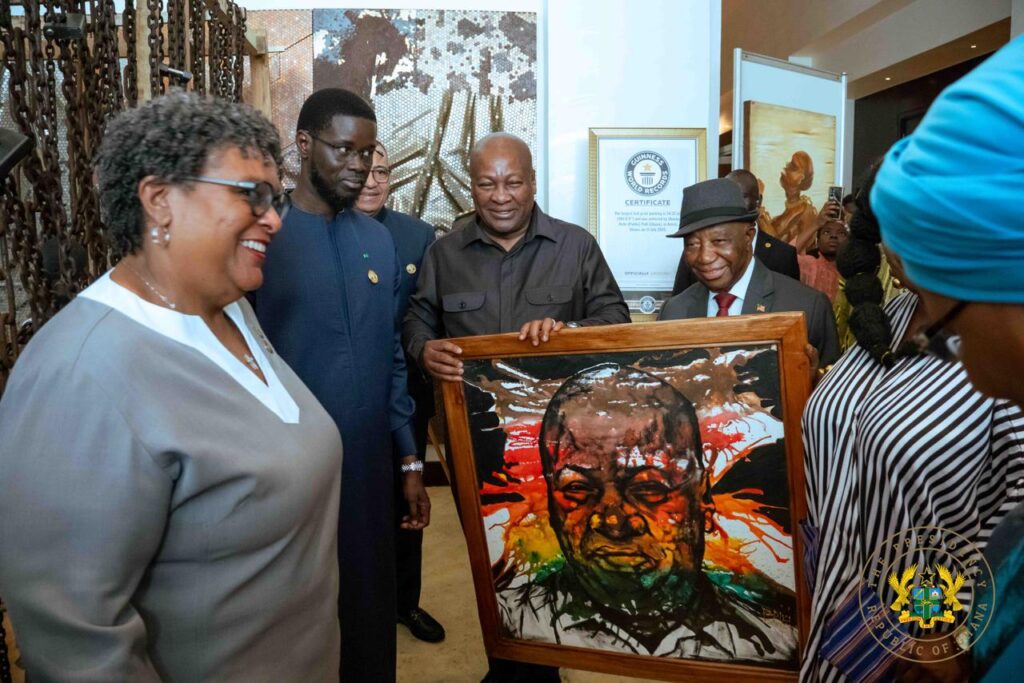
The initiative is intended to move the reparations agenda from symbolic recognition to concrete implementation by strengthening collaboration among governments, international organisations, legal experts, civil society groups and diaspora communities.
The three-day conference has brought together Heads of State and Government, ministers, scholars, legal experts, civil society leaders and representatives of the African diaspora to discuss strategies for implementing the landmark UN resolution and advancing justice for Africans and people of African descent around the world.
Prime Minster Mottley commended President John Dramani Mahama, the Government of Ghana and the African Union for spearheading efforts that led to the adoption of the resolution and for convening the conference to chart the way forward.
The Barbadian Prime Minister noted that the Caribbean Community (CARICOM) had spent nearly a decade advocating reparatory justice and believed the Accra conference would help forge stronger partnerships between Africa, the Caribbean and other global stakeholders.
“We have come to say that there should be no retreat on repair,” she said.
Prime Minister Mottley stressed that the movement for reparatory justice was not motivated by hostility or vengeance but by a desire to promote healing, reconciliation and human dignity.
“The language used from this platform is not one of aggression. It is not one of violence. It is one of the necessity for healing for humanity,” she said.
She argued that while societies increasingly demanded accountability for various forms of injustice, humanity had yet to demonstrate the same moral courage in fully confronting the atrocities of slavery and their enduring impacts on people of African descent.
According to her, the transatlantic slave trade represented a unique form of human exploitation because Africans were systematically reduced to property and stripped of their humanity.
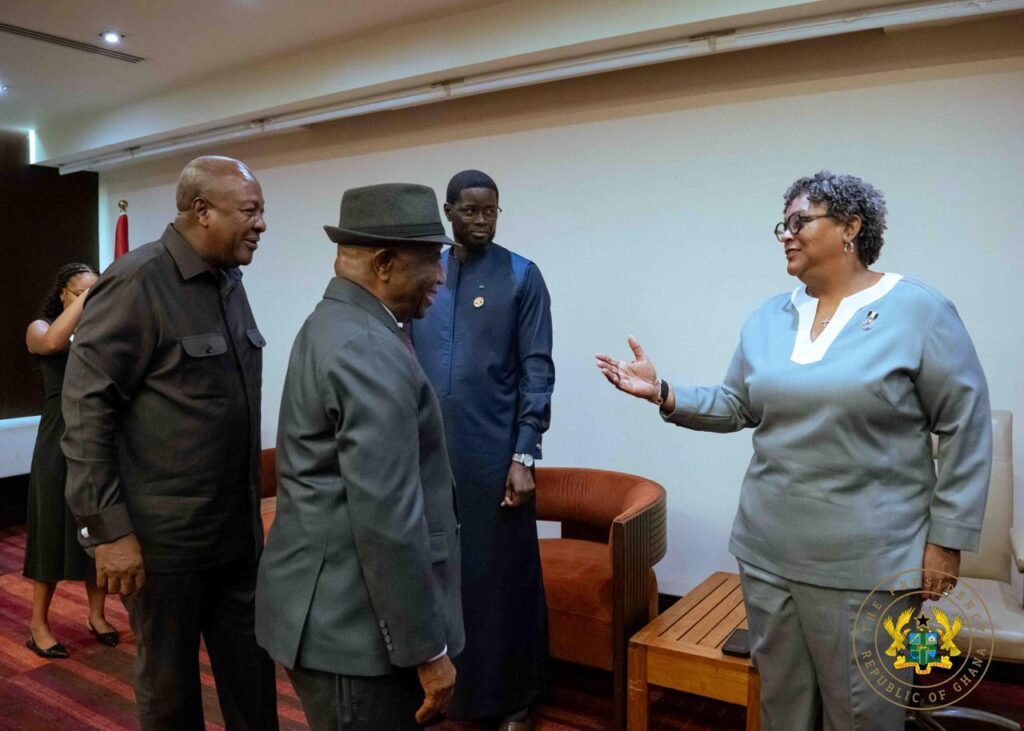
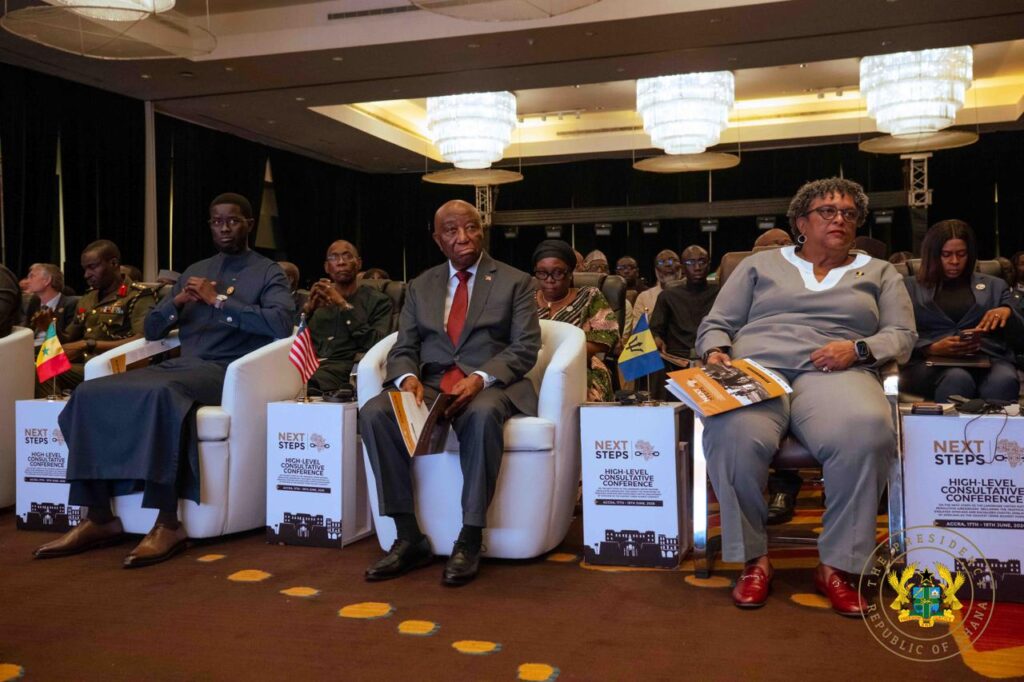
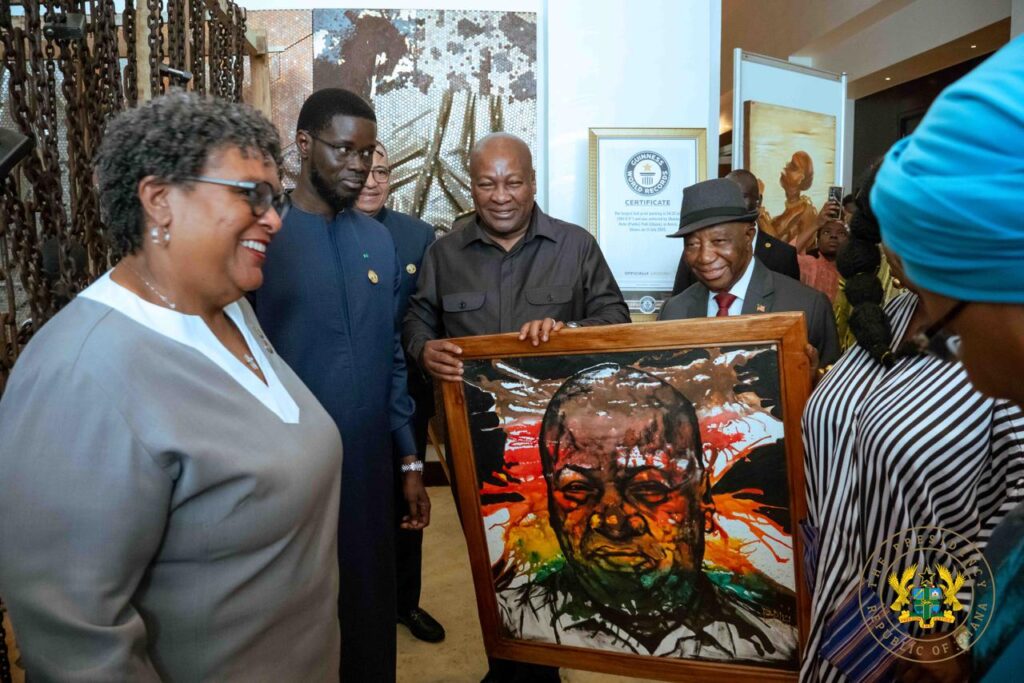
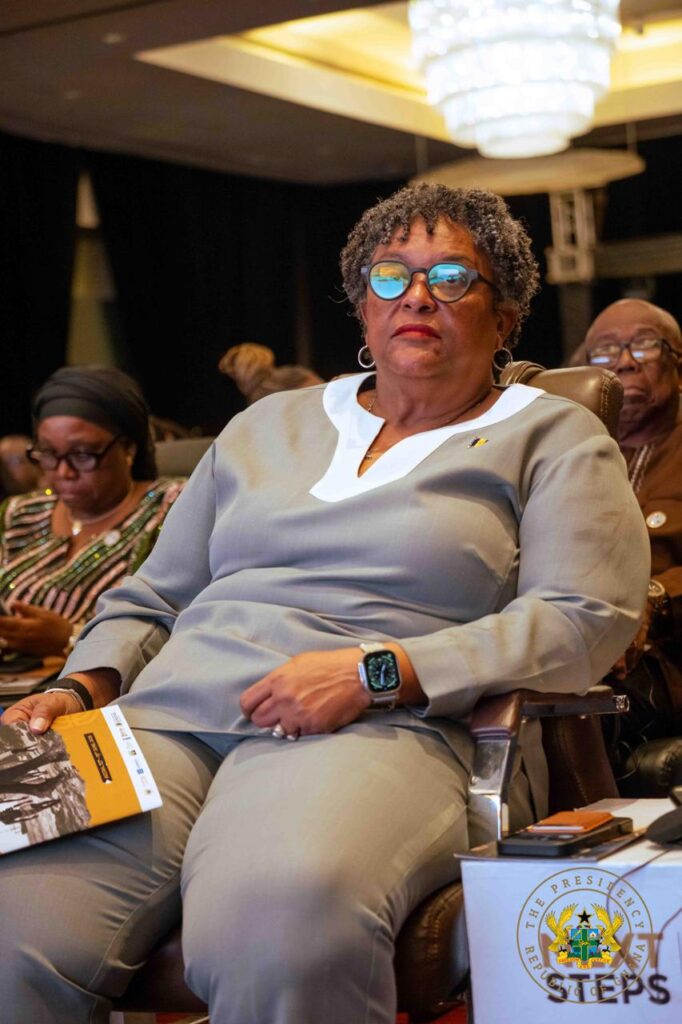
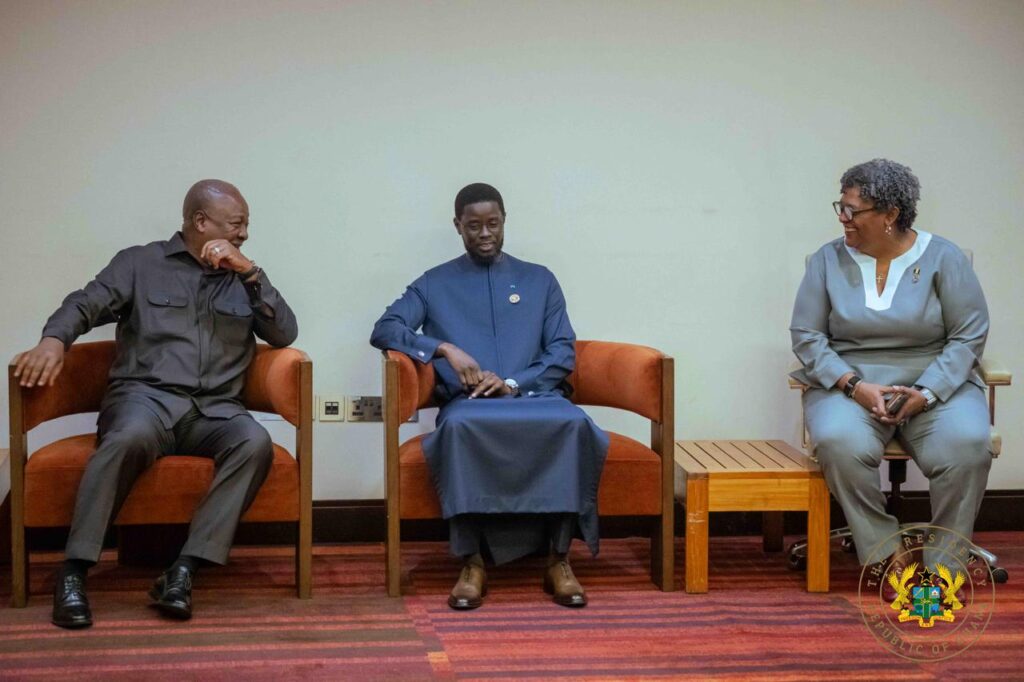
Prime Minister Mottley acknowledged Barbados’ own historical role in the institution of slavery, noting that the island’s parliament enacted the infamous 1661 Slave Code, one of the earliest legal frameworks that codified the treatment of enslaved Africans as property.
She said the code later influenced similar legislation across parts of the Caribbean and North America.
“That categorisation of us as chattel and property stripped us of our dignity first and foremost and removed from us the choices that are necessary in life to truly express freedom,” she stated.
The Prime Minister called for coordinated international efforts to address the historical and contemporary consequences of slavery, including economic inequalities, racial discrimination and psychological trauma that continue to affect descendants of enslaved Africans.
She highlighted CARICOM’s revised Ten-Point Plan for Reparatory Justice, which outlines measures including formal apologies, cultural restitution, indigenous peoples’ development programmes, public health initiatives, educational support, psychological rehabilitation, debt cancellation, technology transfer and economic development.
Prime Minister Mottley said the reparations movement must remain united and focused if it was to achieve meaningful progress.
“These committees will only mean something if we can stay together united and not allow division yet again to become the anchor for those who want to win against us,” she said.
She traced the roots of the modern reparations movement to broader Pan-African struggles for liberation and justice, citing the 1896 Battle of Adwa in Ethiopia and Ghana’s independence movement under Osagyefo Dr. Kwame Nkrumah as milestones in the global quest for African dignity and self-determination.
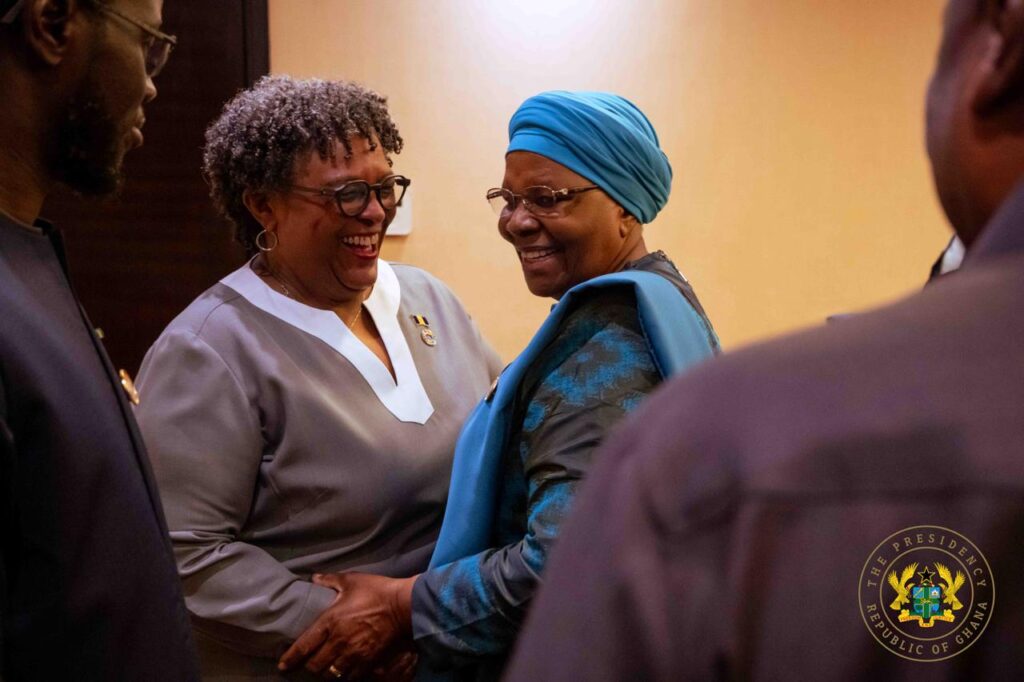
The Barbadian leader urged African countries not to wait solely for external actors to determine the pace and scope of reparations but to pursue policies that promote social justice and development within their own societies.
She cited Barbados’ investments in free education, universal healthcare and land redistribution programmes as examples of efforts aimed at addressing historical inequalities.
“We cannot ask others before we do for ourselves that which is our duty,” she stated.
Prime Minister Mottley also underscored the importance of strengthening ties between Africa and the Caribbean, arguing that closer cooperation could unlock significant economic, cultural and developmental opportunities for both regions.
She described reparatory justice as a pathway not only to addressing historical wrongs but also to building a more equitable and prosperous future.
“The union of Africa and the Caribbean can bring prosperity and stability to our people,” she said.
As part of efforts to preserve historical memory, Prime Minister Mottley announced that Barbados would later this year unveil a monument commemorating 570 enslaved Africans buried at the Newton Plantation, one of the island’s most significant slave burial sites.
The monument, designed by Ghanaian-British architect Sir David Adjaye, forms part of Barbados’ initiative to reclaim and preserve its Atlantic heritage.
GNA
Edited by:George-Ramsey Benamba
Reporter: James Amoh Junior
Email: [email protected]