By Christiana Afua Nyarko, GNA
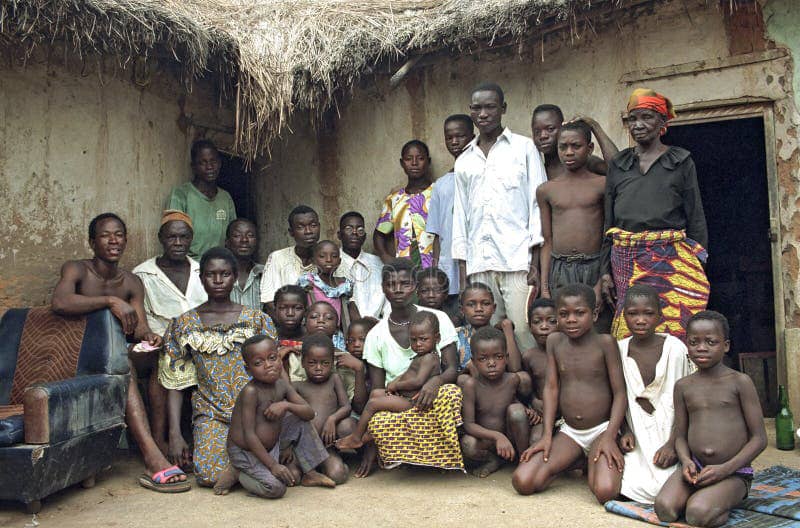
Accra, May 27, GNA – As dusk settles over millions of Ghanaian homes, the familiar scenes of mothers trading in markets, fathers returning from long hours of work and children gathering around evening meals continue to reflect the country’s enduring family values.
Yet beneath the warmth of these daily routines lies growing pressure from economic hardship, changing social values and the increasing influence of technology on family relationships.
As the world marks the International Day of Families, observed annually on May 15 by the United Nations, some Ghanaian parents and young people have expressed concern over the mounting challenges confronting families and the evolving nature of family life in modern Ghanaian society.
This year’s celebration, on the theme: “Families, Inequalities and Child Wellbeing,” highlights the importance of family-oriented policies and the need to strengthen social support systems, especially for vulnerable households worldwide.
Ahead of the day, the United Nations Department of Economic and Social Affairs (UNDESA), which coordinates the commentation globally, said the widening inequalities continued to threaten family stability and the future prospects of children across the globe.
“Investing in families today is essential to ensuring more inclusive and equitable societies for future generations,” the UN agency stated on its observance platform.
The UNDESA noted that many families worldwide continued to face income insecurity, unequal access to healthcare, education and social protection systems, all of which adversely affected the wellbeing and development of children.
Interviews conducted by the Ghana News Agency (GNA) with parents and young people revealed deep concerns about the rising cost of living, unemployment, parenting pressures and what many described as a gradual erosion of moral values among the youth.
Mr Abraham Kwasi Amponsah, a public servant and father of three, said economic difficulties had significantly altered the structure and priorities of many homes.
He said many parents were struggling to balance demanding work schedules with quality family time.
“The biggest challenge we face today is survival. Parents are working extra hours just to make ends meet, and because of that many families barely spend time together these days,” he added.
Mr Amponsah noted that parenting had become more difficult than in previous generations because of peer pressure, social media exposure and changing societal values.
“In the past, community discipline helped parents to raise children, but today people are afraid to correct a child, especially when the child is not theirs,” he said.
“Social media platforms such as TikTok and Snapchat are now shaping the minds of children more than their parents.”
Mr Amponsah, who is in his late 40s, called for stronger Government support in areas such as job creation, affordable education and housing.
An Accra Central-based food vendor and single mother of five, who identified herself only as Adwoa, said the rising prices of food items and transport fares had severely affected her household budget.
“Sometimes after selling throughout the day, the profit is very small because the prices of goods keep increasing. Feeding my children and paying their school fees have become very difficult,” she lamented.
She said parenting now required greater emotional and financial strength than before.
“These days children are exposed to too many negative things on social media, especially when they use my phone to browse. As a parent, you sometimes have to monitor what they watch,” she noted.
The cooked noodles vendor appealed to the Government to provide more economic relief for low-income families and small scale traders to help them cope with the current economic situation.
Madam Georgina Awatey, another food vendor, described the family as the foundation of every society and stressed the need for deliberate efforts to preserve family values and unity.
“If the family breaks down, society will suffer. Many parents are under pressure because of unemployment and the high cost of living,” she stated.
She said while previous generations relied heavily on communal upbringing and extended family support, modern urban life had weakened that social structure.
“In the old days, relatives helped to raise children, but now many parents are left alone to handle everything because everyone is struggling to survive,” she said.
Madam Awatey urged the authorities to expand social protection programmes such as the Livelihood Empowerment Against Poverty (LEAP) initiative for vulnerable households.

For Patricia Gbadago, a pupil teacher, the emotional wellbeing of children had become a growing concern in many homes.
“Some parents are physically present but emotionally absent because of stress and work pressure. Children need attention and guidance, not only money and technological gadgets,” she observed.
Madam Gbadago said many young parents were trying their best to care for their children but lacked adequate parenting support and counselling opportunities.
The Government and civil society organisations should intensify public education on parenting and mental health to support those families, she said.
“Strong families build strong nations, so investment in families should be a national priority.”
Meanwhile, some young people interviewed by the Ghana News Agency said the meaning of family was gradually evolving among the country’s youth.
Ethan Kporjro, a student of the Catholic Institute of Business and Technology, described family as “a place of emotional safety and support.”
“Family is no longer just about blood relations. For many young people like me, family means people who genuinely support and understand you,” he said.
He admitted that Ghanaian family values were changing because of Western influence, economic hardship and digital lifestyles.
“Respect for elders and family bonding still exist; however, they are not as strong as they used to be because people are increasingly becoming individualistic.”
Commenting on the influence of social media, Ethan said while technology helped families stay connected, it also created emotional distance.
“Siblings can sit in the same room and still communicate more with strangers online than with each other,” he observed.
However, Samuel Aryeetey, also a student, said many young people still valued family deeply despite societal changes.
“Family remains important because when life becomes difficult, it is usually family that supports you first,” he said.
He, however, admitted that social media had influenced relationships and expectations among the youth.
“Sometimes social media portrays flamboyant and unrealistic lifestyles, which place unnecessary pressure on young people and affect relationships between parents and children,” he added.
Miss Sandra Ofori, a student at the Ghana Institute of Languages, agreed that modern families were facing communication gaps.
“In many homes, parents are busy and children are glued to their phones, tablets and game consoles. Genuine conversations between parents and children have reduced,” she said.
Miss Ofori observed that some traditional Ghanaian values such as communal living, respect for the elderly and mutual respect among peers were gradually fading.
“Previously, people prioritised family gatherings and traditions, but today many young people are more focused on making money and achieving personal success.”
Miss Janet Pwasong described family as the first source of identity and moral training for every child.
“Family teaches you who you are and shapes your character and values. Without a strong family foundation, many young people become lost,” she said.
She, however, noted that technology had become both beneficial and harmful to family relationships.
“Social media helps families communicate across long distances, but it can also reduce face-to-face interaction and create misunderstandings,” she added.
The International Day of Families was proclaimed by the United Nations General Assembly in 1993 and has been observed globally since 1994 to raise awareness of the social, economic and demographic factors affecting families.
The observance also highlights the role of families as the basic unit of society and encourages governments to formulate policies that promote family welfare and child wellbeing.
In Ghana, programmes such as the Free Senior High School policy, the LEAP initiative, the National Health Insurance Scheme and the School Feeding Programme have been identified as key social interventions aimed at supporting families and reducing household burdens.
Despite these efforts, many Ghanaian families continue to grapple with unemployment, inflation, rural-urban migration pressures, poor housing and the growing influence of technology on traditional social systems.
For many observers, this year’s International Day of Families serves not only as a celebration of family bonds but also as a reminder that the strength of every nation begins at home.
GNA
Edited by Agnes Boye-Doe