By Benjamin A. Commey, GNA
Sunyani (B/R), May 3, GNA – Mr Michael Asare, Chief Executive Officer of McKenzie Ghana Limited, a garment manufacturing firm, has appealed for government support in the form of contracts and expansion space to boost production and create jobs.
He said with adequate support, particularly through access to contracts and workspace expansion, the company could scale up operations in line with the Government’s proposed 24-hour economy policy.
“If government gives me a contract, within three months I can run a 24-hour system because I will employ more people and train them,” he told the Ghana News Agency (GNA) in an interview in Sunyani.
Mr Asare, who has 31 years’ experience in the garment industry, specialises in the production of sportswear, including physical education (PE) kits, football jerseys, athletics vests and tracksuits.
He said although garment production required multiple specialised machines, he started operations with a single overlocking machine acquired on credit and had since expanded to more than 200 machines.
However, space constraints limited their full utilisation.
Currently, about 60 machines are operational, employing 40 workers, including between 25 and 30 apprentices.
The factory has the capacity to produce up to 1,000 pieces of sportswear daily, depending on design complexity.
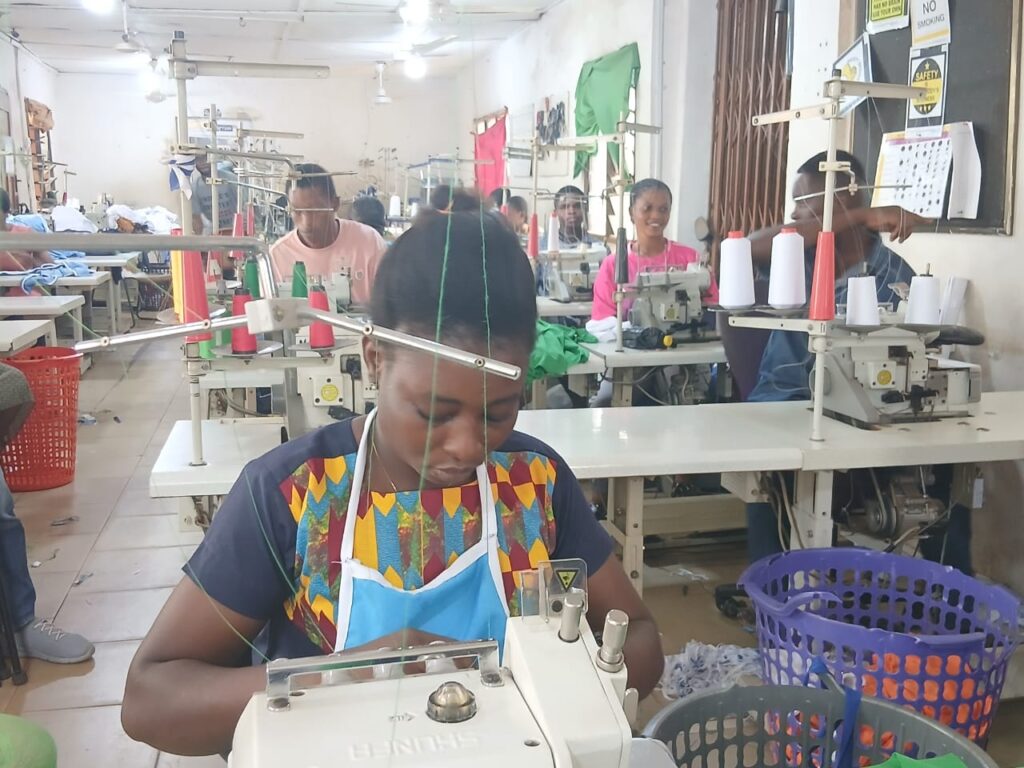
Mr Asare said the company previously benefited from contracts to supply PE kits to senior high schools nationwide but noted that the centralisation of procurement under the Free Senior High School (FSHS) policy, coupled with the effects of the COVID-19 pandemic, had adversely affected operations.
“We used to produce for almost every secondary school in Ghana, but when the system changed, the contracts became difficult to access, and sometimes they are outsourced abroad,” he said.
Mr Asare expressed concern about the continued importation of school sportswear, stressing that local manufacturers, particularly in the Bono Region, had the capacity to meet national demand.
He said the region hosted several small and medium-scale garment producers, many of whom he had trained, forming a network capable of large-scale production if given the opportunity.
“We can produce everything locally. There will be no need to send contracts outside the country,” he said.
Mr Asare highlighted persistent challenges in accessing high-quality raw materials, largely sourced from Accra and neighbouring Côte d’Ivoire, which continue to affect consistency and operational efficiency.
He welcomed the Government’s industrialisation drive, particularly policies aimed at boosting the textile and garment sector and promoting apprenticeship programmes, but called for more direct engagement with industry players.
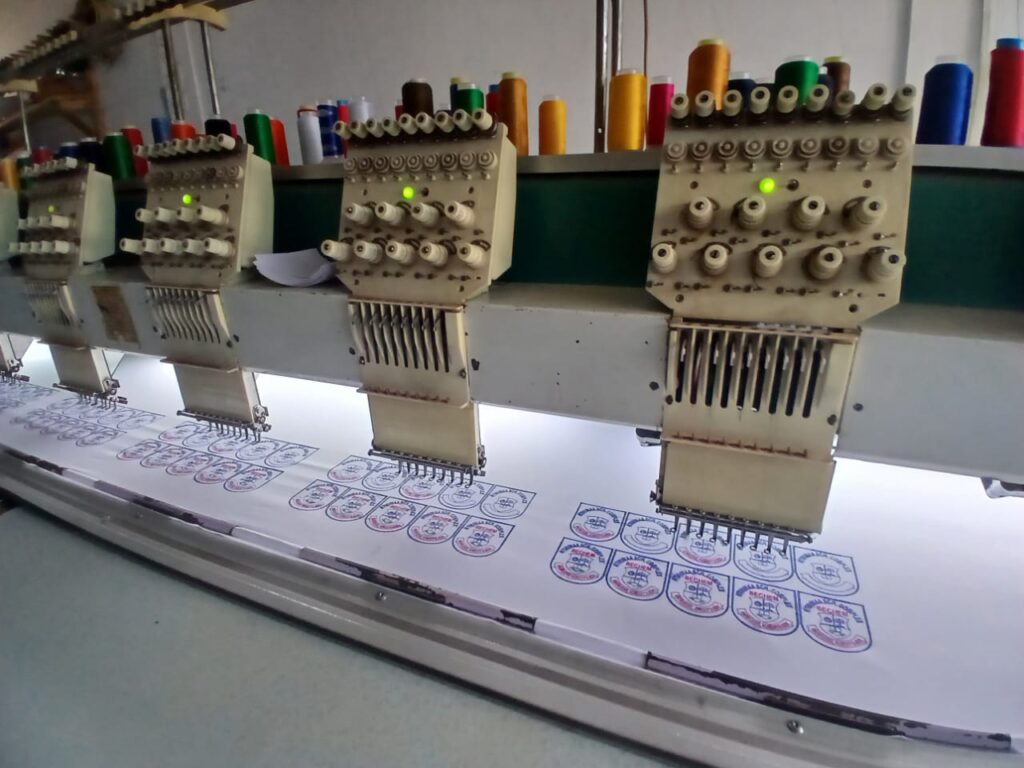
Mr Asare said the company already operated an informal apprenticeship system that provided stipends to trainees and equipped them with employable skills within a shorter training period.
“Previously, it took three years to train someone, but now within a few weeks or a month, I can train someone to start working,” he said.
Mr Asare cautioned that without sustained support, the factory’s operations could decline, affecting many dependants who relied on the business for their livelihoods.
He reiterated his appeal for government intervention, stating that access to contracts and expansion space would significantly boost productivity, employment and local economic development.
“The opportunity I am asking for is contracts and space to expand. With that, we can contribute meaningfully to the economy and support the 24-hour policy,” he said, assuring that increased production would also enhance tax contributions to the State.
GNA
Edited by Kenneth Sackey
By Benjamin A. Commey
[email protected]