By Eric Appah Marfo
Accra, April 15, GNA – The Reverend Dr Cyril Fayose, General Secretary of the Christian Council of Ghana (CCG), has urged Christian leaders to invest in personal growth to become more impactful in society.
He said strong and transformational leadership was needed within churches and institutions to inspire change, build stronger relationships and respond effectively to emerging social and organisational challenges.
Rev Dr Fayose gave the advice on Thursday at the closing ceremony of a three-day Leadership Training Programme organised by CCG in collaboration with EQUIP Ghana, under the John C. Maxwell Enterprise.
The programme is the first cohort of similar trainings expected to be rolled out in future.
Rev Dr Fayose said the collaboration was necessary because leadership remained central to every sphere of life and had the power to transform both individuals and the people they served.
He said the objective of the training was to equip church leaders with practical tools and principles that would help them become transformational leaders in their churches, workplaces and communities.
Explaining the selection process, he said the first training targeted staff of the Christian Council and a limited number of participants from neighbouring churches due to space constraints, but future programmes would reach more people.
Rev Dr Fayose said participants were taken through key areas such as attitude, personal growth, prioritisation and the value of relationships.
According to him, attitude was one of the most important factors in leadership success because it influenced behaviour, decision-making and the ability to work effectively with others.
On personal development, Rev Dr Fayose said people must not merely go through life, but grow through life.
He added that a person who never moved beyond familiar surroundings might believe there was nothing more to learn, but exposure to other people’s ideas and experiences broadened understanding and improved leadership capacity.
The General Secretary said many leadership principles promoted in modern times were already embedded in Scripture, noting that teachings on attitude, diligence, service, discipline and relationships had long existed in the Bible and should be consciously practised by Christians.
He urged leaders to remain teachable, disciplined and committed to improving themselves at every stage of life.
Rev Dr Fayose called for mindset transformation among believers, saying many people continued to live with limiting beliefs and forms of mental slavery that prevented progress.
He also urged them to combine spirituality with diligence and seriousness toward work.
Mr Bernard Quarm, Lead Person for EQUIP Ghana, said the partnership with the Christian Council had the potential to drive broad transformation because the Council brought together many mainstream churches across the country.
He said as leaders received the training and passed on the lessons to congregations, the impact would spread into homes, institutions and communities.
Mr Quarm said the training model used by EQUIP Ghana was practical and transformational because it touched on all aspects of the participants’ lives.
He also identified a major leadership gap in Ghana, saying leadership was often concentrated at the top, creating distance between leaders and followers.
According to him, leaders must become more accessible, visible and engaged with the people they served instead of leading from a distance.
Mr Samuel Twum Adjei, National Trainer for EQUIP Ghana, encouraged participants to move beyond personal success to significance.
He explained that success focused on personal achievements, while significance was about intentionally adding value to the lives of others.
He said many people prayed to meet destiny helpers, but they should also aspire to become destiny helpers themselves.
Mr Adjei urged leaders to replicate themselves by mentoring others, raising future leaders and helping people to grow into positions of responsibility.
He said true leadership would ultimately be measured by the number of lives transformed and the legacy left behind.
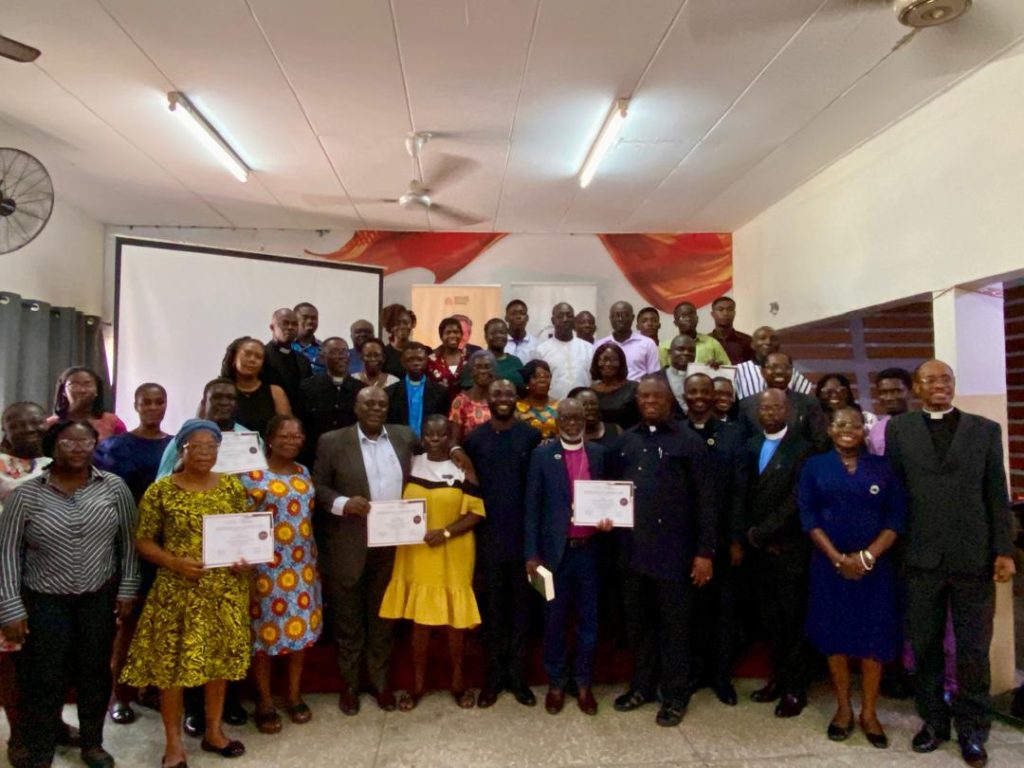
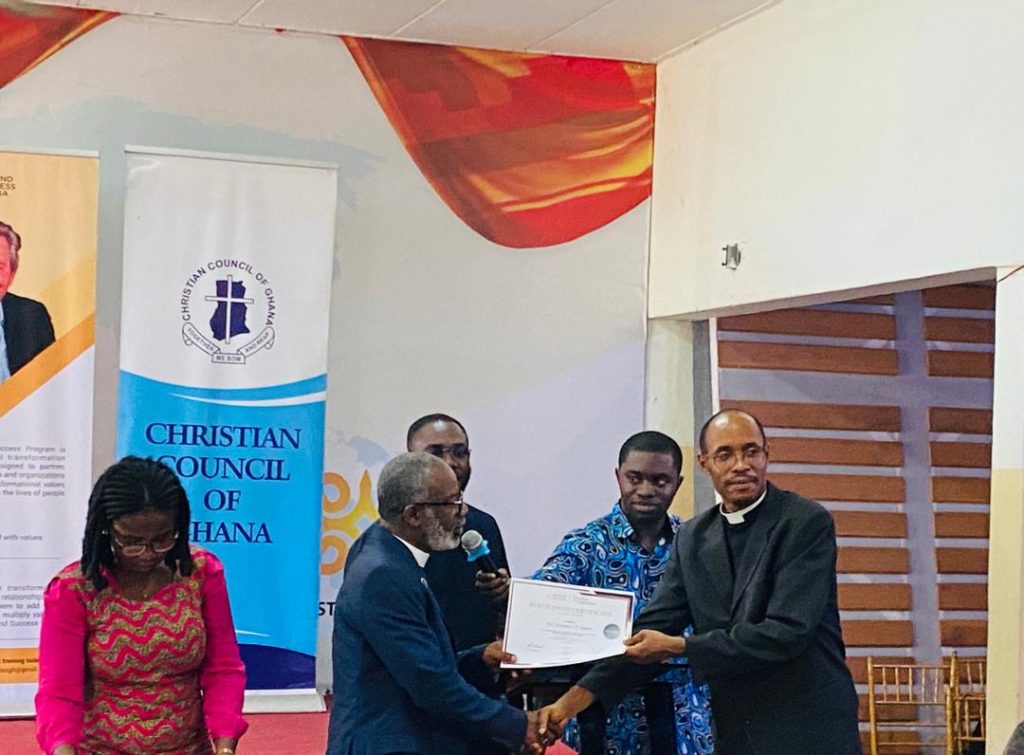
The programme ended with the presentation of certificates to participants drawn mainly from staff of the Christian Council, with additional participants from the Presbyterian Church, Methodist Church and Evangelical Presbyterian Church within the Council’s enclave.
GNA
Edited by Samuel Osei-Frempong