By Agnes Ansah
Accra, March 16, GNA – The Trades Union Congress (TUC) has provided leadership training to about 30 women to prepare them for future leadership roles within the union movement.
The participants, drawn from the various unions, were taken through lessons by experienced women leaders on how to navigate institutional power structures and build confidence, voice and influence.
The programme, organised in partnership with the Netherlands Trade Union Confederation (FNV) Mondiaal, an international solidarity and support organisation, was held in Accra on Friday.
Professor Akua Britwum, Chairperson of the National Media Commission and former Director of the Centre for Gender Research, Advocacy and Documentation (CEGRAD), shared her experiences on the struggles and successes she chalked up while establishing the Centre, drawing lessons for participants.
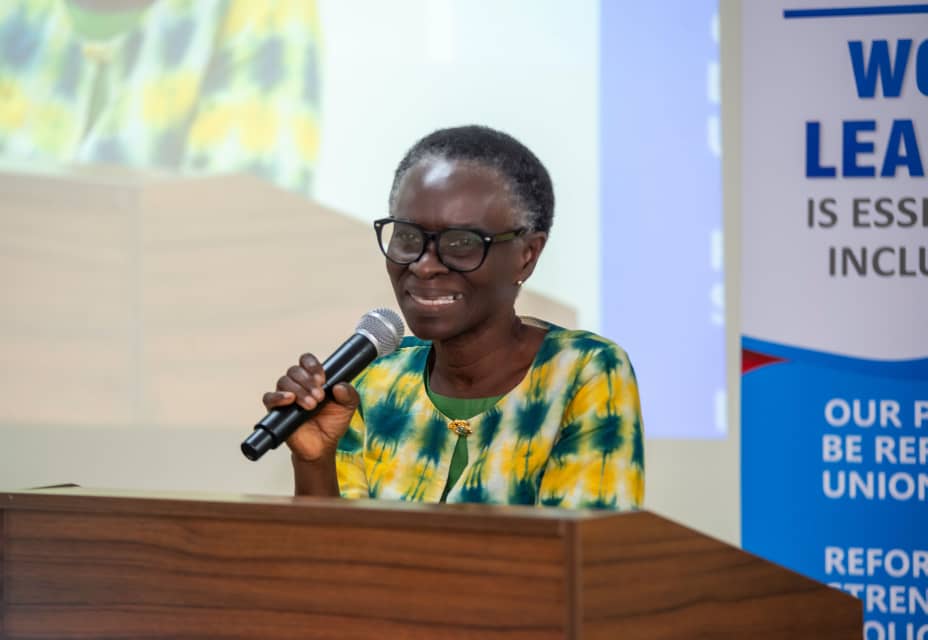
She highlighted the importance of values such as proper record keeping, taking responsibility for one’s actions, remaining committed to principles and being solution-oriented, which she said women leaders must adopt as a yardstick.
Prof. Britwum explained that those qualities helped her to navigate challenges during her time at the University of Cape Coast.
She emphasised that effective leaders focused on finding solutions rather than avoiding problems, noting that her experience had shown that there was always a solution to every challenge.
“Let us be solution-oriented and not be afraid to face challenges because there is a solution to every problem,” she said.
Prof. Britwum underscored the importance of keeping proper records, explaining that the practice helped build confidence among both local and international financial partners she worked with.
She advised women to take responsibility for their actions, whether good or bad, saying such accountability demonstrated a leader’s trustworthiness.
Mrs Bernice Sam, a private legal practitioner and gender advocate, shared experiences from her time at the Women in Law and Development in Africa (WiLDAF) and her work with several local and international organisations.

She highlighted the importance of mentorship, networking, willingness to learn and self-confidence, saying such qualities were essential for personal growth and career advancement.
Mrs Sam noted that mentorship and her readiness to learn from leaders such as Nana Oye Bampoe Addo, the Deputy Chief of Staff and former Minister of Gender, Children and Social Protection, as well as Madam Akosua Frema Osei-Opare, the first female Chief of Staff, helped to shape her leadership skills and enabled her to take up various roles.
Networking had also opened opportunities for her both in Ghana and abroad, she said, recounting how it even enabled her to leave the country quickly when she once felt threatened.
“Confidence is a key mark of leadership, and I dare say that women must believe in their capabilities and take up leadership opportunities when they arise,” she added.
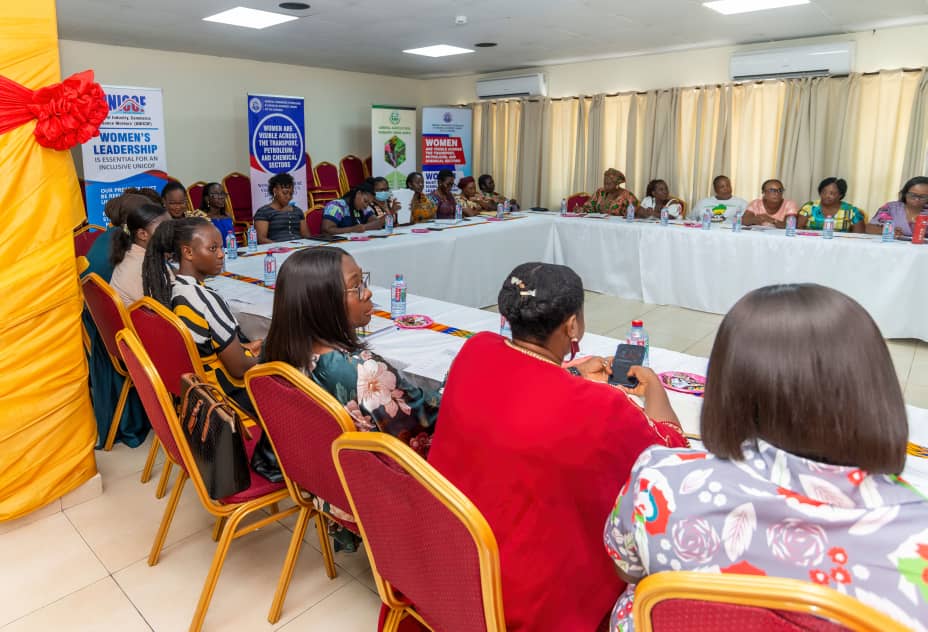
Mr Joshua Ansah, Secretary-General of the TUC, expressed satisfaction with the capacity-building programme, noting that leadership required courage and confidence, not just potential.
Since women formed the majority of TUC’s membership, it was important to build their capacity so they could assume leadership positions within the union in the future, he noted.
Participants at the forum expressed satisfaction with the programme and the exposure it provided to help improve their leadership skills and confidence.
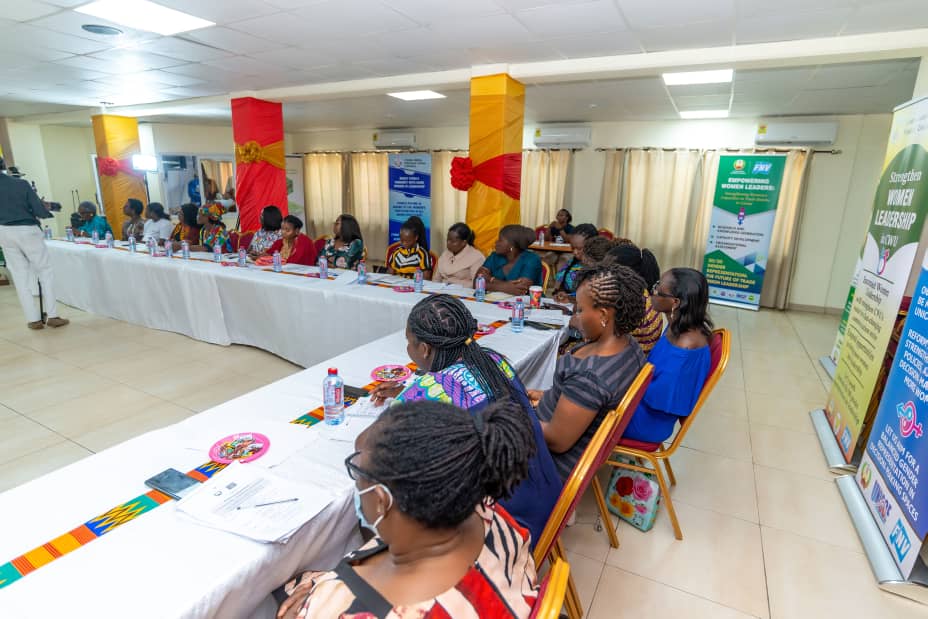
They pledged to imbibe the lessons learned and apply them in their respective unions as they prepared to take up leadership roles and make meaningful contributions to the growth and development of the labour movement as well as their respective workplaces.
GNA
Edited by Agnes Boye-Doe