By Eunice Hilda A. Mensah
Accra, Nov. 27, GNA – The Voices of Women and Children with Disabilities in Ghana (VOWACGhana) has called on government to urgently reform national policies and strengthen protection systems against violence targeted at women with disability.
The call, made in collaboration with the Zonta Club of Accra Metropolitan (ZCAM) and the International Child Development Program (ICDP), responds to rising cases of violence, discrimination and digital abuse women and girls with disability face.
Speaking at a forum on the theme: “Gender-Based Violence towards Women and Girls with and without Disabilities” to mark the start of the 2025 16 Days of Activism Against Gender-Based Violence, Madam Patience Atipoka Atuah, Programme Manager at VOWACGhana, said rapid digitisation had introduced new forms of harm that disproportionately affected vulnerable groups.
She said women and girls with disability faced intersecting inequalities that made them more likely to be targeted and less likely to access redress, as most reporting systems were not accessible to them.
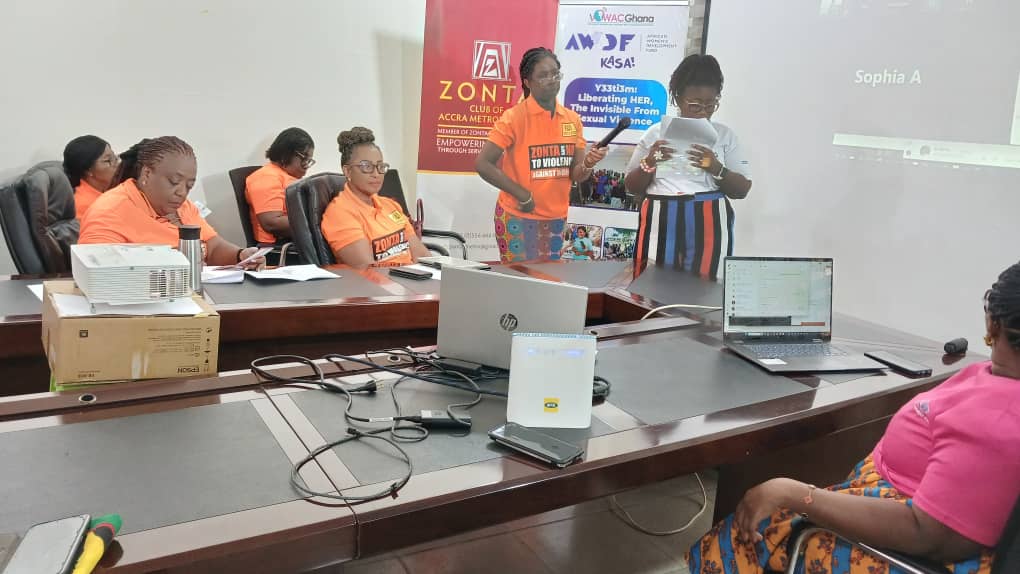
Many online platforms, she noted, also lacked sign language support, screen-reader compatibility and accessible safety features, leaving survivors isolated.
Madam Atuah raised concerns about the gaps in Ghana’s cybersecurity legislation, saying the absence of protective provisions exposed them to significant danger and exploitation.
She called for policy measures compelling website and digital platform developers to make all online services accessible to persons with disability.
Citing studies by UNICEF, WHO and UN Women, Madam Atuah said women with disability were two to three times more likely to experience violence than those without disability.
GBV, she emphasised, remained a major concern, with inaccessible police stations, shelters and reporting systems preventing survivors from seeking justice.
She urged government and relevant institutions to enact legislation on online gender-based violence, enforce universal accessibility in all GBV support services, invest in disaggregated data and research, and implement mandatory intersectional training for justice actors.
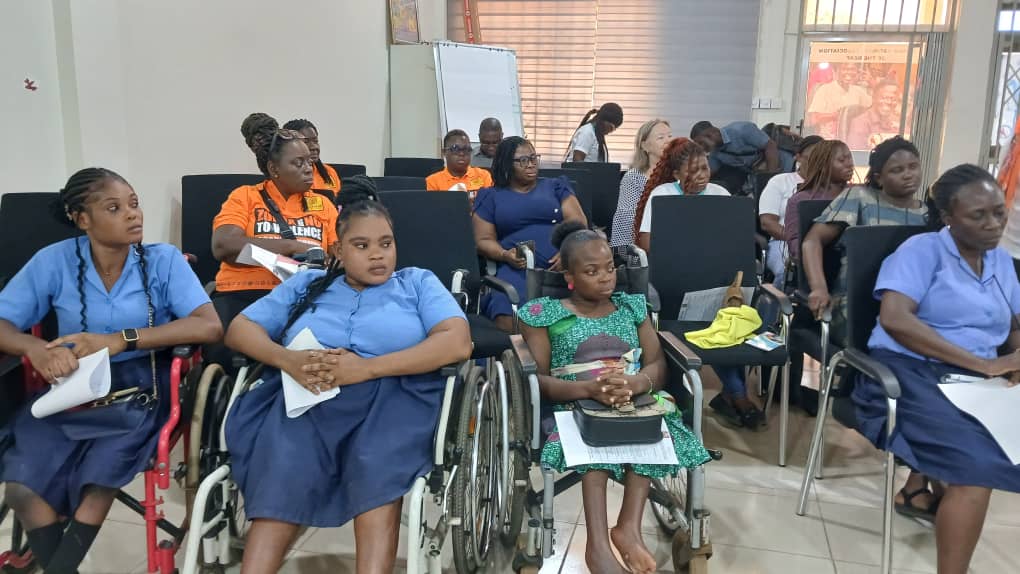
Madam Atuah encouraged women with disability to speak up and engage actively in the 16 Days of Activism, stressing that their voices were critical to shaping effective national responses.
Mrs Dorothy Tackie, President of ZCAM, called for renewed national commitment to ending the heightened levels of violence experienced by women and girls with disabilities, stressing that the country must “act now” to eliminate all forms of abuse and exclusion.
She expressed concern over stigma, discrimination and structural barriers, including inaccessible shelters and lack of interpreters for hearing-impaired survivors, which continued to limit access to essential support services.
Gender-based violence, she added, extended beyond physical harm to include emotional, psychological, economic and systemic abuse.
Mrs Tackie said ZCAM remained committed to supporting efforts to building a society where every woman and girl, regardless of disability status, enjoyed equal rights, safety and dignity.
That, she said, required stronger policies, better-resourced institutions, community attitudinal change and disability-inclusive approaches in national anti-GBV strategies.
She called for deeper collaboration among civil society, government agencies and the public, noting that the Ministry of Gender, Children and Social Protection could not win the fight alone.
She urged the media to give greater visibility to cases involving women and girls with disability and to treat such issues with urgency.
Madam Nana Adwoa Afriyie Bonsu, Programme Manager of ICDP, shared a personal account of the challenges her sibling with disability faced at the hands of caregivers who, though well-intentioned, lacked the knowledge to protect her rights.
She called on government to strengthen data collection, improve accessibility of information, and prioritise ethical considerations when reporting GBV cases involving children and vulnerable individuals.
GNA
Edited by Agnes Boye-Doe