By Agnes Ansah, GNA
Accra, May 29, GNA – Stakeholders in the promotion of women’s economic rights have called on the Government to establish public funded community care centres to cater for the vulnerable and reduce unpaid care burden on women and girls.
Dr Faustina Obeng Adomaa, a social researcher, said the proposed centres, a daycare-style, should be equipped with trained personnel, equipment, and resources to allow families to drop off care recipients, including children with disability and the aged, for few hours, to enable them to engage in economic activities, pursue education or recover from the demands of care work.
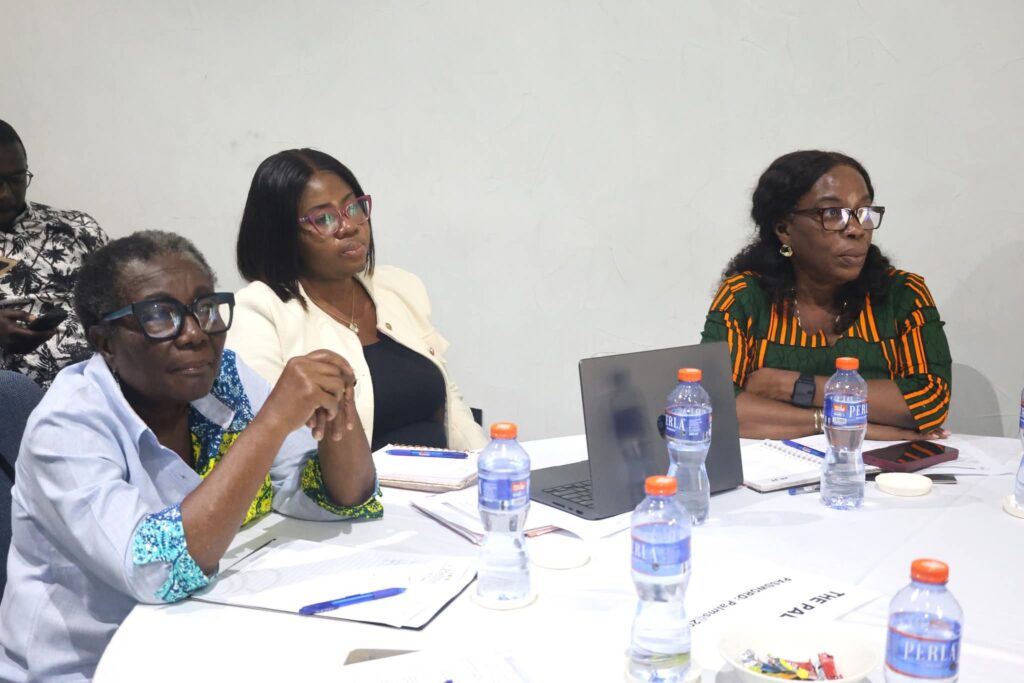
Dr Obeng Adomaa said this at a Public Forum on Gender Analysis of the 2026 National Budget organised by the Network for Women’s Rights in Ghana (NETRIGHT) in Accra on Thursday.
“Currently, the bulk of care for these people is in the household. Many women and unfortunately the young girls are pulled out of school to take care of these vulnerable people and constantly provide round the clock treatment, round the clock care for these people,” she said.
Dr Obeng Adomaa explained that without alternatives, the caregivers, often women and girls, had no time for education, paid work, or rest, a situation she described as being detrimental to their economic rights and well-being.
“Sometimes the person just needs somebody to hold the person for a while so that they can just rest. But these things are not available,” she added.
Beyond physical infrastructure, she called for a national care policy to bring coherence to a sector that cuts across multiple ministries.
Dr Obeng Adomaa said health, early childhood education, disability services, elder care, childcare, and even water supply all intersect with care work.
“The idea of a national care policy is to give an overview of how we are approaching this whole care sector as an economy on its own,” she said.
“We need that holistic policy to provide that framework for a coordinated action within the care economy.”
She argued that such a policy would help Ghana track services and ensure that interventions in health were complemented by those in education, childcare, and elder care.
Madam Patricia Blankson Akakpo, the Executive Director, NETRIGHT, acknowledged some investments in care-related sectors but said they remained insufficiently resourced, coordinated, and targeted.
She called for increased and rebalanced investment in care services and infrastructure, and a shift from conventional social protection to care-responsive systems.
She also called for the introduction of care economy budget tagging and tracking systems to improve accountability.
GNA
Edited by Agnes Boye-Doe
Reporter: Agnes Ansah