By Anthony Adongo Apubeo, GNA
Tongo (U/E), May 29, GNA – The Advocacy for Social Inclusion and Girls’ Education (ASIGE), a gender-focused non-profit organisation, has intensified efforts to promote menstrual hygiene education among school girls and boys in the Talensi District.
At a forum organised in Tongo by the organisation to mark this year’s Menstrual Hygiene Day under the theme: “Together for a Period-Friendly World,” stakeholders and schoolchildren interacted on proper menstrual hygiene practices.
The programme formed part of efforts to help break the stigma surrounding menstruation, improve girls’ access to menstrual hygiene products, and encourage school attendance among adolescent girls.
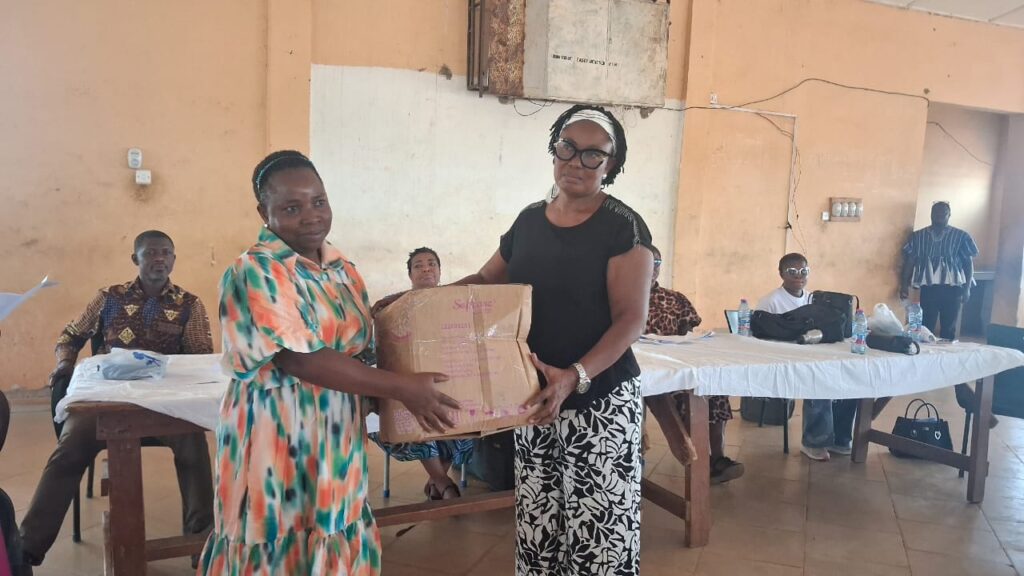
Additionally, ASIGE donated boxes of sanitary pads to eight selected schools in the district to support girls in managing their menstrual health and staying in school.
Speaking on behalf of Ms Dorcas Apoore, Founder and Executive Director of ASIGE, Ms Jennifer Anaribala Nsobila, a Scholar at ASIGE, stressed the need for continuous education on menstrual hygiene practices for girls, boys, parents, and communities.
She observed that many girls lacked adequate knowledge about menstruation and proper menstrual hygiene management, making it difficult for them to handle their periods confidently and safely.
“Some girls lack proper education on menstrual hygiene. They do not have the technical knowledge needed to manage it correctly,” she said.
Ms Nsobila called for the inclusion of boys and men in menstrual hygiene education strategies, adding that inclusive education would help end the ridicule and discrimination girls often faced in schools during menstruation.
“When girls stain their dresses in school, their colleagues should support them instead of mocking or traumatising them. Menstruation is natural and should not make girls feel inferior,” she added.
She called on parents and teachers to openly discuss menstruation with children to help break the silence, stigma, and taboos associated with it.
She further highlighted poverty, the high cost of sanitary pads, inadequate toilet facilities, and the lack of water and sanitation services in some schools as major barriers affecting menstrual hygiene management among girls.
Ms Comfort Minyila Atuama, the Talensi District Coordinator of Basic and Second Cycle Schools at the Ghana Education Service (GES), described menstruation as an education, health, and community issue that required collective action.
She said monitoring conducted by the Directorate indicated that some girls missed between three and five days of school every month due to menstruation-related challenges.
“We cannot talk about quality education if we accept that girls should lose valuable learning time because of menstruation,” she stated.
Ms Atuama explained that the cost of sanitary pads, inadequate Water, Sanitation and Hygiene (WASH) facilities, myths surrounding menstruation, and stigma in schools continued to affect girls’ education and confidence.
She announced that, with support from the District Assembly and development partners, the Directorate was prioritising the provision of girl-friendly WASH facilities in schools, including changing rooms, water, soap, and disposal bins.
Ms Mollydean Zong Buntuya, the Upper East Regional Head of Inspectorate at the GES, encouraged parents to educate both girls and boys on menstruation before adolescence and urged schools to create supportive environments for girls.
“To our girls, your period is a sign of health and growth. Ask questions and demand your right to stay in school every day of the month,” she said.
Ms Rita Abamah, the Upper East Regional Girls’ Education Officer of the GES, urged girls to report any harassment by boys or men to their teachers or parents to ensure their protection and help them avoid teenage pregnancy and sexually transmitted infections.
GNA
Edited by Caesar Abagali/Linda Asante Agyei