By James Amoh Jnr.
Accra, Sept. 10, GNA – Civil society organizations (CSOs), women’s rights advocates, and legal experts have begun a two-day national stakeholder workshop in Accra aimed at advancing family law reforms and promoting women’s rights in Ghana.
The gathering, which runs from September 10 to 11, 2025, is being convened by the Initiative for Gender Equality and Development in Africa (IGED-Africa) in partnership with the Solidarity of African Women’s Rights (SOAWR) Coalition and hosted by Equality Now, Kenya.
The workshop comes at a critical moment in Ghana’s gender and family law reform agenda, as attention shifts to the implementation of the Affirmative Action (Gender Equity) Act, 2024 (Act 1121), and renewed advocacy for the passage of the long-delayed Property Rights of Spouses Bill and the Interstate Succession Bill.
These legislations are regarded as key to addressing entrenched gender inequalities, safeguarding the economic rights of women, and strengthening the legal framework for family relations in Ghana.
The Stakeholders include representatives of women’s rights groups, gender advocates, social policy experts, lawyers, and civil society leaders.
Ms. Sylvia Horname Noagbesen, Executive Director of IGED-Africa, speaking at the opening of the two-day stakeholder, said the convening was timely as it provided an opportunity for stakeholders to collectively reflect on family law reforms and women’s rights.
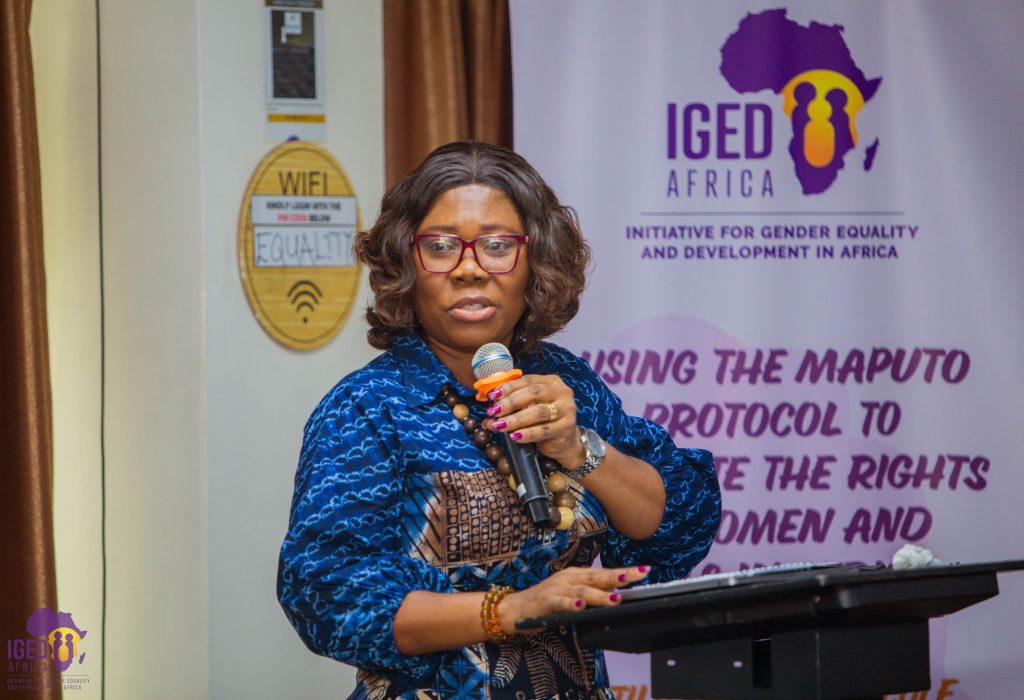
She emphasized that family law touched everyone’s life, transcending legal technicalities, and must remain a priority for national dialogue and reform.
“As long as you are a human being, you belong to a family, and family law affects you. The more we work towards addressing these issues, the better our lives and our families become,” she said.
Ms. Noagbesen traced IGED-Africa’s work to long-standing challenges around property rights, land rights, and inheritance laws, noting that the organization’s vision was deeply rooted in advancing reforms that directly impact women’s access to justice, equity, and dignity.
She stressed that no single organization could drive these changes alone, underscoring the importance of coalitions such as SOAWR and the African Family Law Network, which bring together actors across the continent to push for reforms and align national laws with international commitments like the Maputo Protocol.
She commended Equality Now, the African Women’s Development Fund, and other partners for their support in sustaining advocacy and dialogue, urging participants to use the workshop as a platform to develop practical strategies to strengthen civil society collaboration and advocacy.
Ms. Esther Waweru, Senior Legal Advisor at Equality Now, situated the workshop within broader regional and continental advocacy efforts.
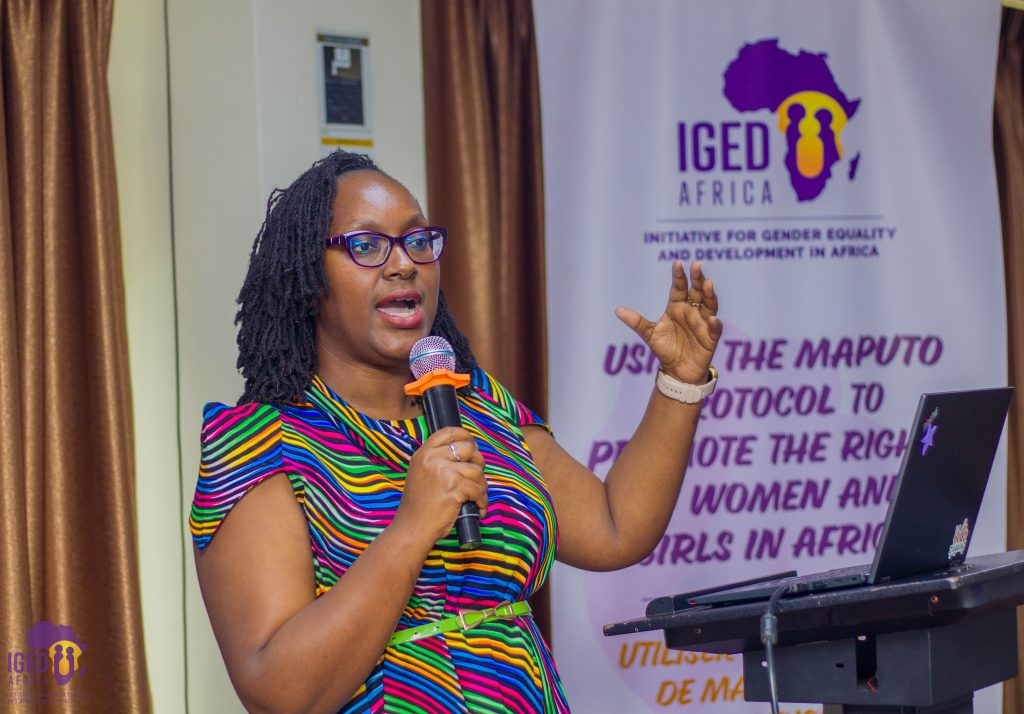
She recalled that the meeting builds on the outcomes of the Kampala Regional Strategic Consultation on Family Law Reform in Africa held in March 2024, which identified Ghana as a priority country due to its progress on the Affirmative Action Bill and the vibrant role of civil society.
Ms. Waweru highlighted that while Ghana had made progress, particularly with the passage of the Affirmative Action Act 2024, significant gaps remained.
“Despite constitutional guarantees, the Spousal Property Rights Bill has been delayed for over a decade, while the Interstate Succession Amendment Bill also remains unpassed. These gaps leave discriminatory provisions in place and undermine the dignity and security of women and girls,” she said.
She reminded participants that Article 22 of Ghana’s 1992 Constitution mandated Parliament to enact legislation on spousal property rights “as soon as practicable.”
Over three decades later, she noted, this obligation remained unfulfilled, perpetuating inequalities, particularly for widows and children disadvantaged under customary and religious practices.
Ms. Waweru noted that the workshop’s deliberations should focus on ensuring that the provisions of the Affirmative Action Act move beyond paper into meaningful implementation, addressing Parliament’s long delay in passing key family law bills despite constitutional guarantees, reconciling tensions between statutory, customary, and religious laws, and strengthening civil society advocacy to sustain progress in the face of political and cultural resistance.
She stressed, “This convening is not just about dialogue but about co-developing a solid action plan consisting of practical approaches to align Ghana’s family laws with constitutional underpinnings, regional obligations under the Maputo Protocol, and international human rights standards,” she stressed.
Mrs. Sheila Minka-Premo, Convenor of the Affirmative Action Law Coalition, advocated for stronger strategies to ensure the full implementation of the Affirmative Action Act and other gender-related legislations.
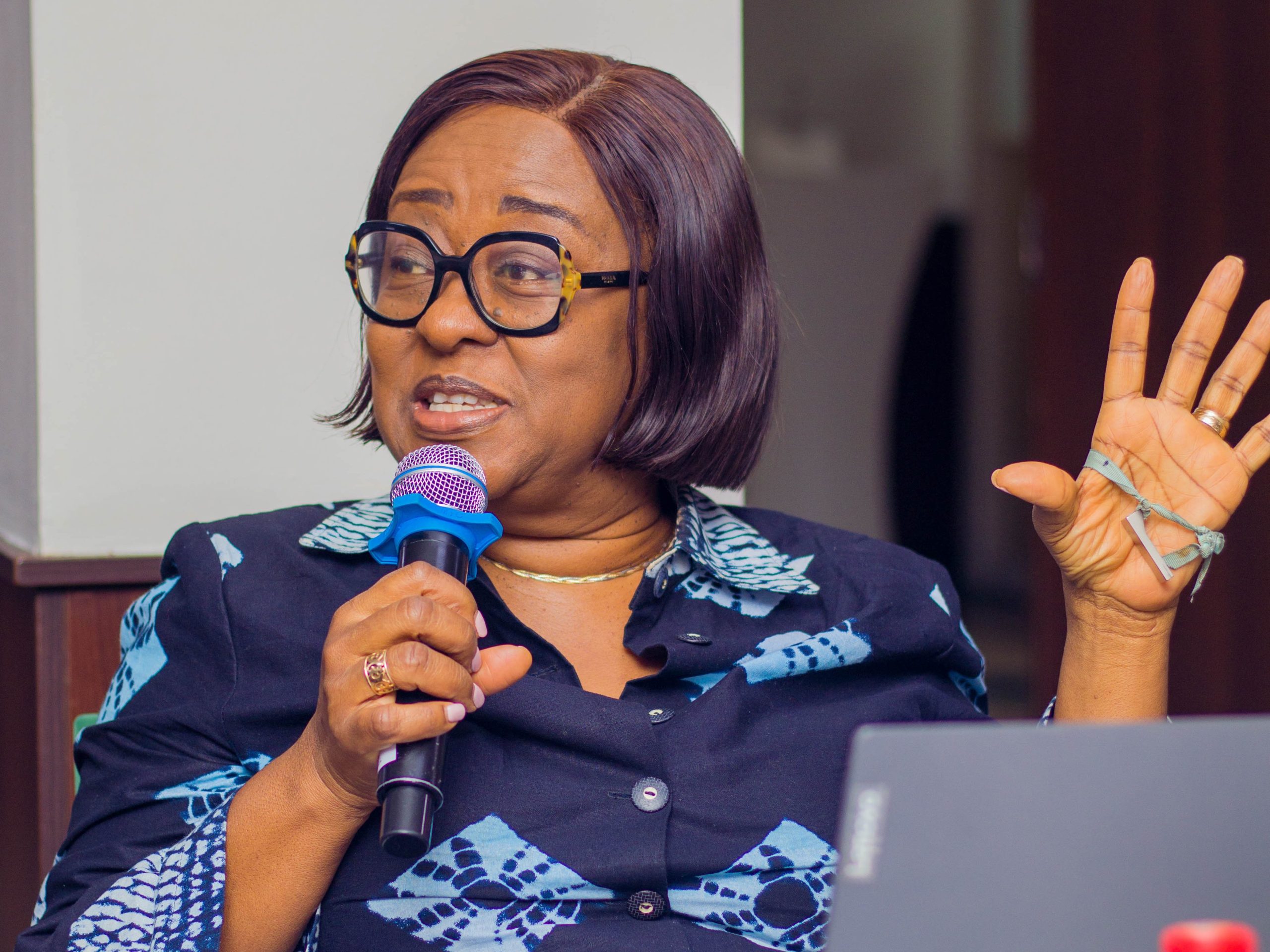
She noted that while the law placed obligations on Ministries, Departments, and Agencies (MDAs) to periodically report on measures to promote gender equity, this responsibility had not been adequately enforced.
Mrs. Minka-Premo stressed that advocacy groups must consider options such as litigation and sustained parliamentary engagement to ensure compliance, while also pushing for constitutional reforms that would strengthen the legal foundation for gender equality.
She added that public education and sensitization remained critical in challenging entrenched socio-cultural stereotypes that continued to limit women’s opportunities.
The deliberations at the stakeholder workshop are expected to produce concrete advocacy strategies, comparative lessons from other countries, and strengthened collaboration among Ghanaian CSOs.
These strategies are expected to contribute to accelerating Ghana’s family law reform process, ensuring that legislations like the Affirmative Action Act, the Property Rights of Spouses Bill, and the Interstate Succession Bill move from paper to practice.
GNA
Edited by Christian Akorlie