By Eric Appah Marfo/Sandra Lartey
Accra, May 29, GNA – Professor Victor Kwame Agyeman, Chairman of the Public Services Commission, has cautioned that legislative reforms alone cannot close the gender gap in leadership within Ghana’s public sector.
He said deliberate actions must be taken to nurture female talent from the basic education level and create enabling environments for women to thrive in leadership and technical roles.
Prof. Agyeman gave the advice at the fourth Ghana Employers Association (GEA) Annual Leadership Conference in Accra on Thursday.
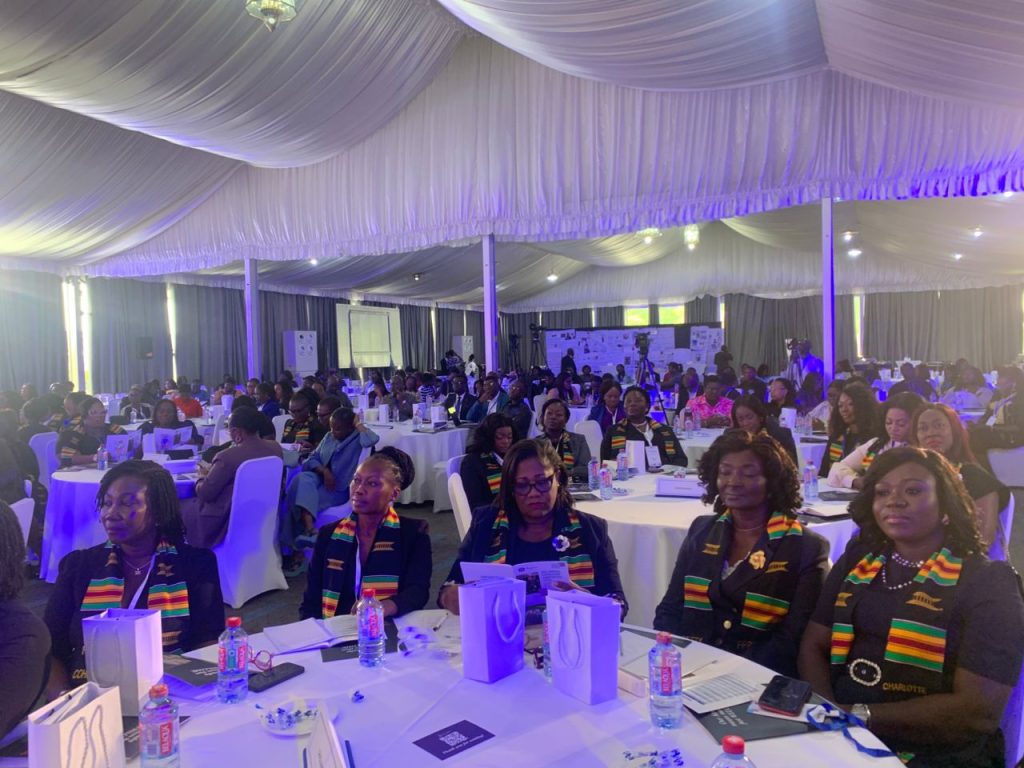
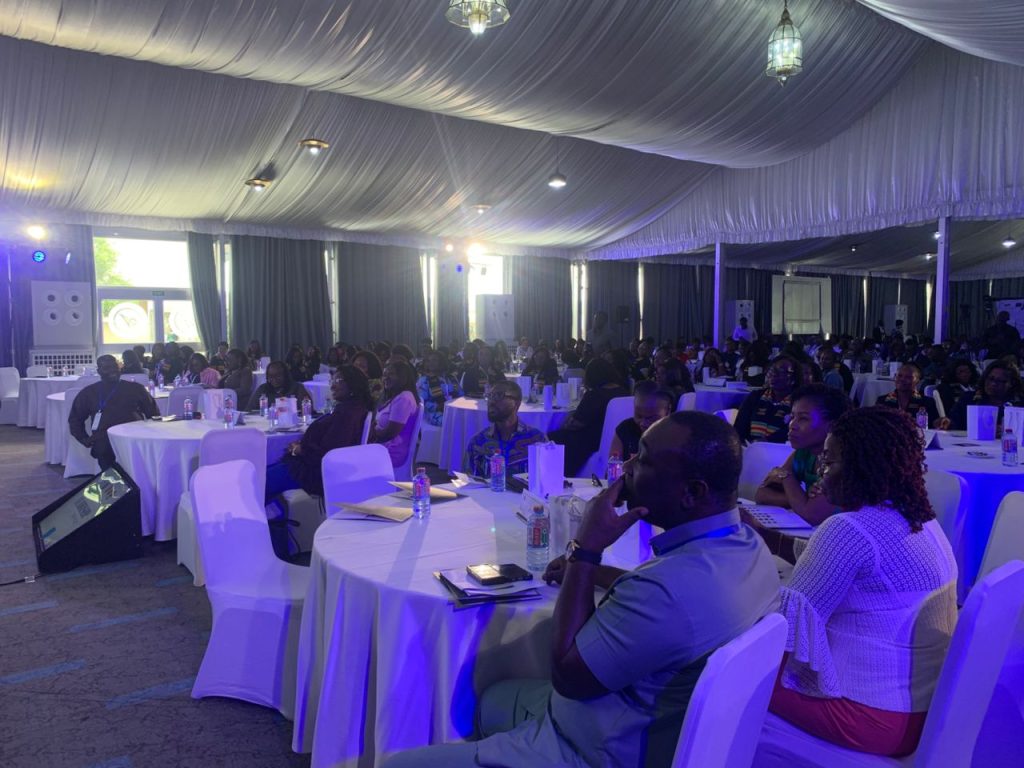
The conference, attended by over 250 participants from diverse sectors, aimed to stimulate dialogue on adaptive, inclusive, and purpose-driven leadership models to address contemporary socio-economic challenges.
It was on the theme: “Leading with Impact Transformative Leadership for a Sustainable Future”
Prof. Agyeman recounted challenges he faced as Director-General of the Council for Scientific and Industrial Research, where efforts to increase female researchers from 17 per cent yielded minimal results due to the low number of women holding doctoral qualifications—a prerequisite for research-grade positions.
“After two and a half years, when we did a midterm review of my first tenure, I realised that we hadn’t moved much. It was 19 per cent and then I was informed that the basic challenge is the fact that to be in the research or to be a lecturer, the basic qualification is a PhD.
“How many ladies are encouraged to do a PhD or Master’s? So, no matter what you do, even if you say two people come and that you take a lady and leave that, the people you get will still be the same 17 per cent that you had.
“So, I realised that it is all flawed. It is not just making a policy. You need to work towards a policy,” he said.
Prof. Agyeman urged stakeholders to look beyond recruitment policies and focus on early-stage interventions, such as mentorship, education access, and building confidence in young girls.
He highlighted instances where female candidates expressed discomfort being interviewed by all-male panels, prompting a new directive at the Public Services Commission to ensure female representation on interview panels wherever possible.
“Government will have the policy, but the policy in itself cannot achieve the targets that are set in the policy unless we put pressure…And this is the way in which we will start ensuring that all these beautiful policies are not, you know, lip service. We need to fight together,” he said.
Prof. Agyeman outlined the government’s broader employment agenda, including the creation of 1.7 million jobs over four years through initiatives such as the 24-hour economy, National Employment Trust, Digital Jobs Initiative, and the National Apprenticeship and Ejumapa programmes.
“So where do women fit in all these programs? The first thing that government seeks to do is to ensure the implementation of the Affirmative Action Act, which was passed in 2024 for gender equality,” he added.
The Act mandates a minimum of 30 per cent female representation in governance and decision-making roles by 2026, increasing to 50 percent by 2030.
Prof. Agyeman said inclusive and transformative leadership would be critical in delivering these ambitious targets sustainably.
Mrs. Victoria Hajar, Second Vice President of the GEA, also reiterated the importance of gender inclusion, thanking development partners such as the Royal Norwegian Embassy and the Confederation of Norwegian Enterprise (NHO) for supporting the Female Future Programme (FFP).
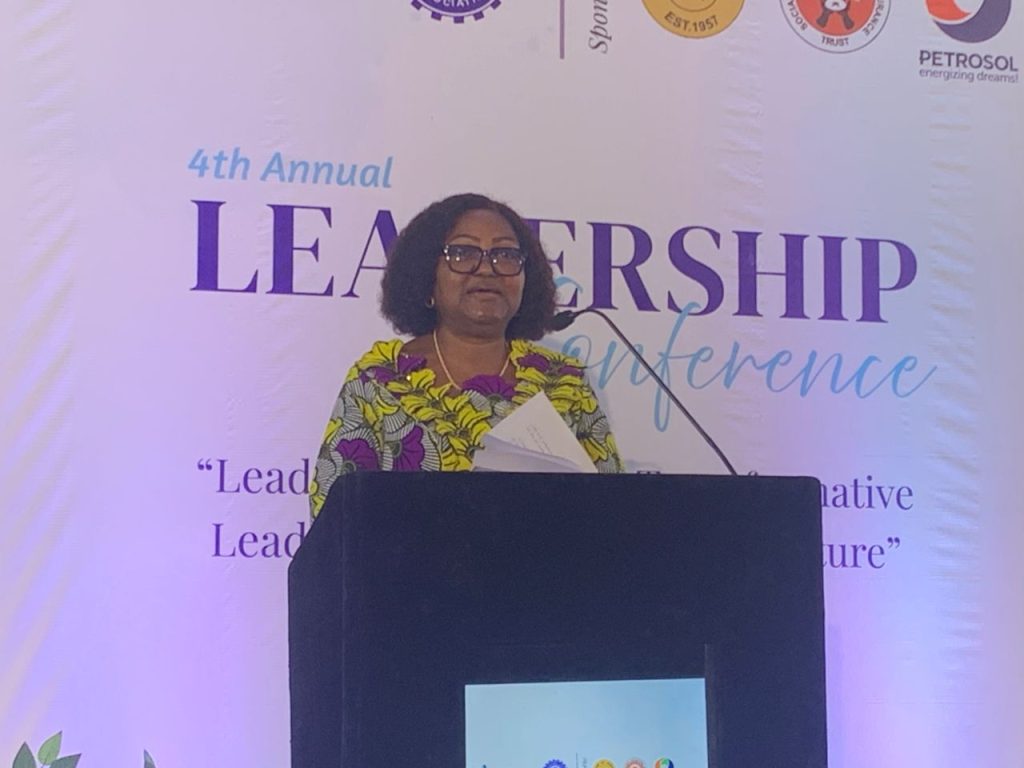
She said this years’ theme highlighted the urgent need for leadership models that were adaptive, inclusive, and purpose-driven in the face of complex challenges such as economic volatility, technological disruption, and widening inequality.
“Ghana needs leaders who will inspire shared vision, embrace diversity, and challenge the status quo,” she said, urging employers to continue nominating female talents to leadership development programmes, noting that their support was a declaration of belief in the potential of Ghanaian women.
Madam Anna Haggblom, Senior Advisor/Assistant Director of International Cooperation Programme at the Confederation of Norwegian Enterprise said purpose-driven leadership was anchored in values and vision, providing leaders with the clarity to navigate uncertainty.
She referenced a 2023 McKinsey report showing that companies with gender-diverse executive teams were 25 per cent more likely to outperform their peers financially.
Additionally, a 2021 global analysis by Dennis Swiss revealed that firms with at least 50 per cent female participation in two-year mandates recorded 50 per cent higher profitability compared to those with fewer women in leadership roles.
Madam Haggblom said women remained underrepresented in managerial positions globally—an ongoing challenge and a missed economic opportunity that the next generation of leaders must confront.
She urged graduates to become mentors, to question systems that perpetuated inequality, and leave doors open for others.
Madam Haggblom also encouraged them to allow their purpose to guide them—especially in times of volatility and change—as they worked to build resilient, enduring institutions.
GNA
Edited by Kenneth Sackey