By Prince Acquah
Cape Coast, Aug 01, GNA – The Ghana Health Service, with UNICEF support, has trained 100 healthcare providers on adolescent-friendly maternal healthcare services as it expands its Safety Net Intervention programme to 44 additional health facilities in the Central Region.
The one-day training, held in two sessions, equipped midwives, community health nurses, health information officers and district focal persons with the knowledge and practical skills needed to implement the initiative effectively and improve pregnancy outcomes among pregnant adolescents.
The Safety Net Intervention is a special initiative that seeks to address health and social challenges associated with adolescent pregnancy with a comprehensive service including antenatal and postnatal care, skilled delivery services, postpartum family planning, home visits and connections to education and social support services.
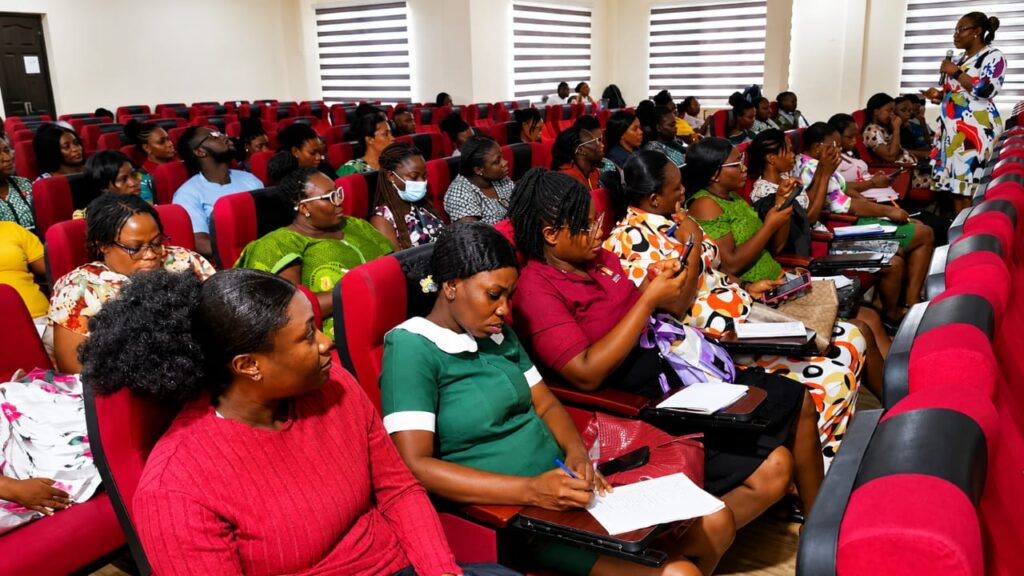
By this intervention, the GHS and UNCEF are seeking to mitigate the incidence of adolescent pregnancy, maternal deaths among adolescent girls, neonatal deaths among babies born to adolescent mothers, and child marriage.
They are also seeking increased uptake of postpartum family planning among adolescent mothers and improved educational continuity and economic resilience for adolescent girls.
Mrs Emma Delali Foli, the Central Regional Focal Person for the Safety Net Intervention, explained that pregnant adolescents often faced heightened health risks and limited social support, highlighting the need for specialised healthcare and social interventions.
She said the intervention was introduced in six districts in the Central Region in 2020 and had expanded steadily over the years to 16 of the region’s 22 districts.
Following the addition of the 44 new facilities, the programme was now being implemented in 176 health facilities, with a goal of covering all 22 districts in the short possible time, she added.
Mrs Foli noted that since its introduction, the programme had benefited more than 5,000 pregnant adolescents in the Central Region, while strengthening collaboration with institutions such as the Department of Social Welfare, the Ghana Education Service, the National Youth Authority and the Domestic Violence and Victim Support Unit (DOVVSU).
The intervention, she said, had also contributed to increased uptake of postpartum family planning, stronger referral systems, greater access to social protection services and enhanced involvement of caregivers throughout pregnancy and childbirth.
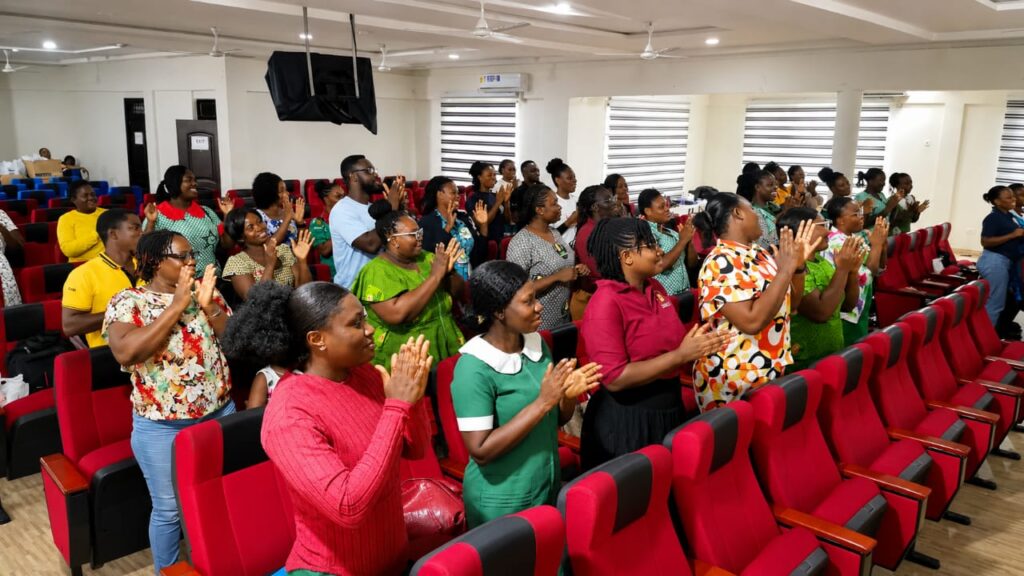
Mrs Foli indicated that the newly trained health workers were expected to replicate the training at their respective facilities to ensure that other members of the healthcare team were adequately equipped to implement the intervention.
“This is new to them and so they have been trained on the concepts, objectives and goals of the Safety Net Intervention. The components of the intervention, as well as the importance of documentation and reporting, have also been emphasised,” she said.
“We also expect that they will enrol the adolescents early enough onto the programme so that they can benefit and have a very improved outcome of pregnancy,” she added.
Mrs Foli expressed appreciation to the UNICEF for its continued support and reaffirmed GHS’ commitment to expanding the Safety Net Intervention to all districts in the region.
GNA
Edited by Alice Tettey/Benjamin Mensah
Reporter: Prince Acquah
E-mail: [email protected]