Accra, July 27, GNA – The National Biosafety Authority (NBA) has presented Ghana’s Fifth National Report (5NR) on implementation of the Cartagena Protocol on Biosafety, describing how it has moved from a biosafety framework on paper to a functioning regulator that enforces decisions.
As a Party to the Cartagena Protocol, Ghana is required, from time to time, to report to the Secretariat of the Convention of Biological Diversity on how it is implementing the treaty. The Fifth National Report, NR5, covers the period of 2019 to February 2026.
Addressing stakeholders in Accra, Mr Kwame Dei Asamoah Okyere, Chief Executive Officer of NBA explained that, in compiling NR5, Ghana answered 92 percent of the questions that applied to it, 22 areas of the Protocol on which it reports, and 15 were fully implemented with most of the rest partially in place.
“Our Third Report of 2015 and our Fourth Report of 2019, tells a far more important story than any single report could. It is the story of a decade, simply put, Ghana has moved from building a biosafety framework on paper to operating it as a functioning regulatory system that makes, and enforces, decisions,” he said.
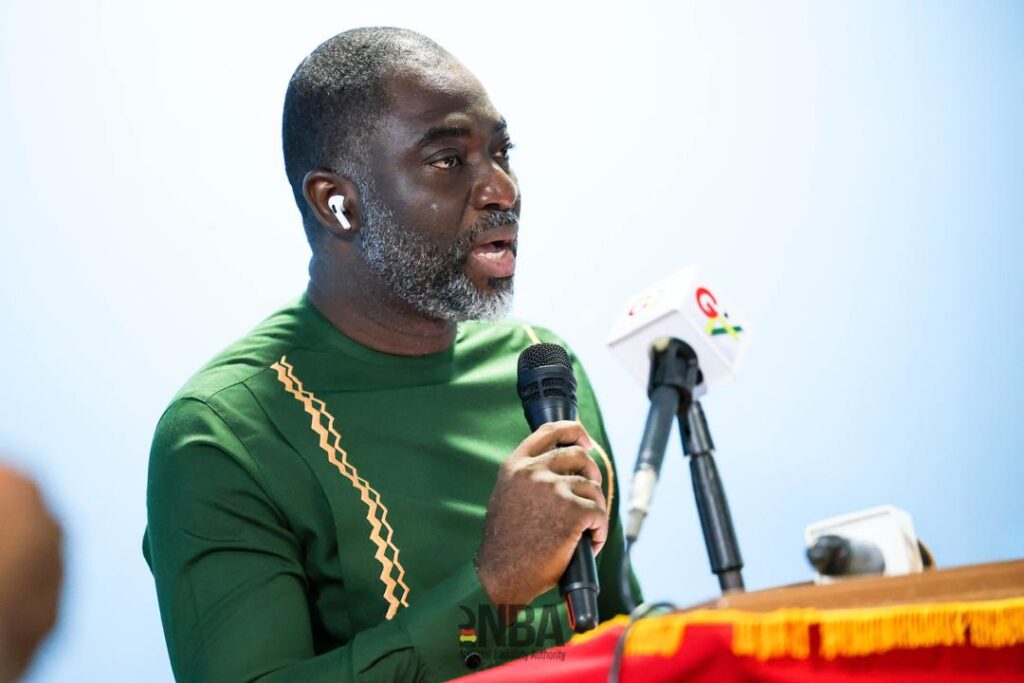
Mr Asamoah Okyere noted that over the 10 ten-year trajectory period that Ghana had submitted its 5NRs the Authority had issued nine specialised biosafety guidelines, took 22 regulatory decisions on imports of genetically modified materials for food, feed and processing, and trained over 100 professionals in risk assessment, risk management, and the detection of living modified organisms.
“A landmark came in 2024, when the Authority approved 14 genetically modified events for food, feed and processing, evidence of an end-to-end capacity to receive applications, assess risk on the science, decide, and publish its determinations through the international Biosafety Clearinghouse”.
He said the NBA also extended its reach beyond Ghana’s borders, providing biosafety capacity-building support to Malawi in 2022, a shift from a country that once received assistance to one that now offers it.
He, however, urged stakeholders not to read NR5 on its own but read alongside the Third Report of 2015 and our Fourth Report of 2019, which confirmed Ghana’s decade of success story.
Mr Asamoah Okyere expressed concern about the fact that the Authority did not have a certified laboratory operating laboratory for the detection of living modified organisms, saying, “Our biosafety staffing remains below what the work demands.”
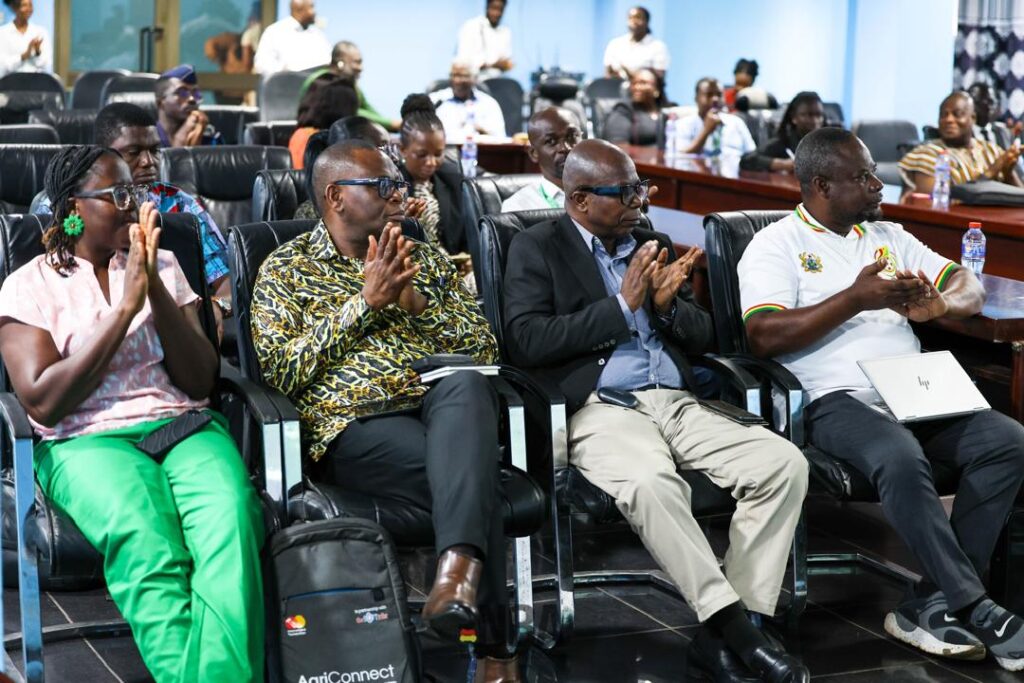
He noted that predictable funding for capacity-building was not yet secured, while the Nagoya–Kuala Lumpur Supplementary Protocol on Liability and Redress was also not yet in force though a draft instrument was pending.
Ms Mavis A. Agyemang, Senior Public Relations Officer, NBA, highlighted the successes of the Authority saying the Authority had nine specialised biosafety guidelines now in force, 22 regulatory decisions on LMO imports for food, feed, and processing, and more than 100 professionals trained in biosafety.
GNA
Edited by Linda Asante Agyei