A GNA Feature by James Amoh Junior
Nanchang, (Jiangxi Province, China), July 13, GNA–More than two thousand years after a deposed emperor was laid to rest beneath the fertile plains of Nanchang, his story is once again captivating the world.
Inside one of China’s most remarkable archaeological museums, thousands of priceless relics are breathing life into a forgotten chapter of history.
A Doorway into Two Millennia of History
History often survives in books, photographs and fading memories. Yet there are rare places where it feels almost alive; where centuries dissolve the moment one steps through the entrance.
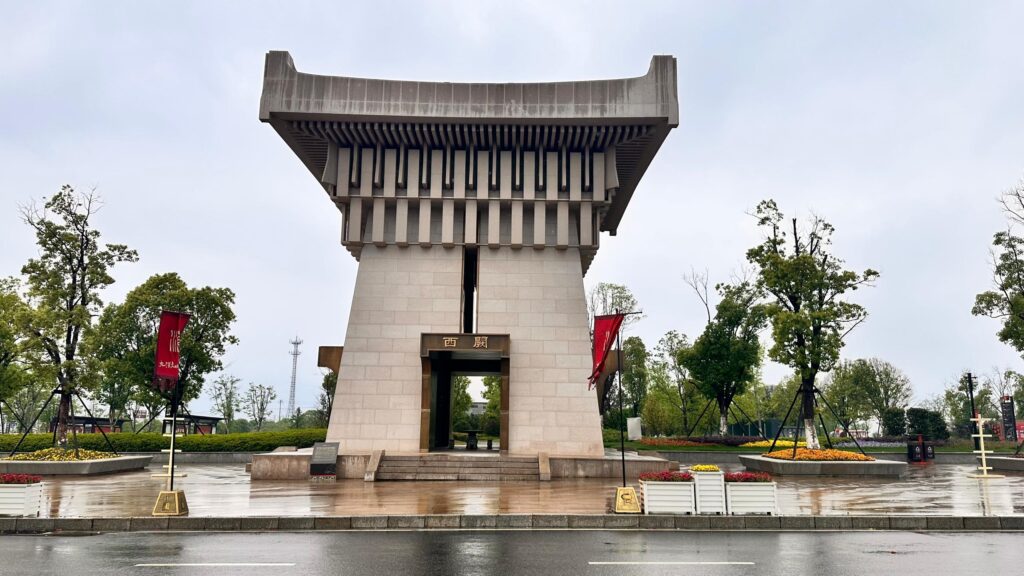
Nestled in Xinjian District of Nanchang City in Jiangxi Province, the Nanchang Han Dynasty Haihunhou National Archaeological Park is one of China’s most significant archaeological and cultural landmarks.

At the heart of the park is the Haihunhou National Archaeological Site Museum, where thousands of artefacts unearthed from the tomb of Liu He, the Marquis of Haihun, offer visitors an extraordinary journey into the splendour of the Western Han Dynasty, 206 BC – 9 AD.
As visitors enter the spacious exhibition hall, conversations soften to whispers. Carefully controlled lighting casts a warm glow over glass showcases holding objects untouched for more than two millennia.
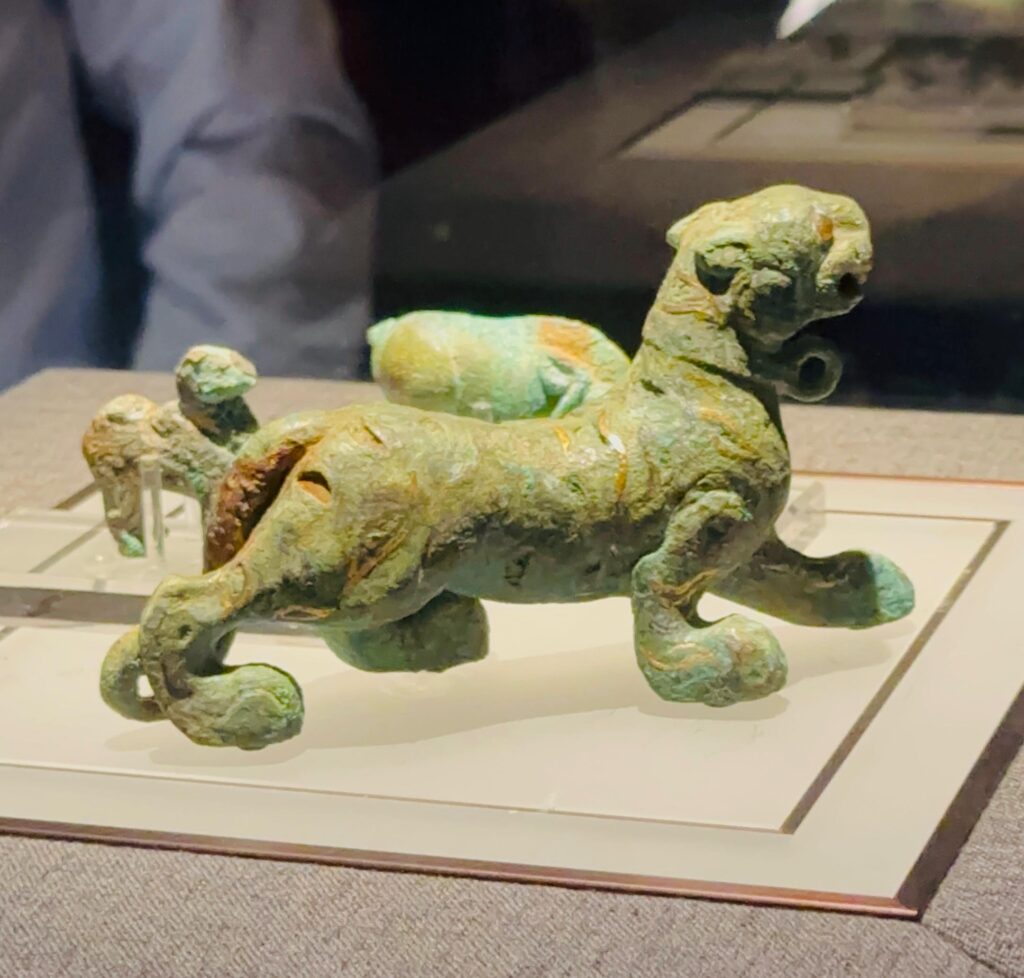
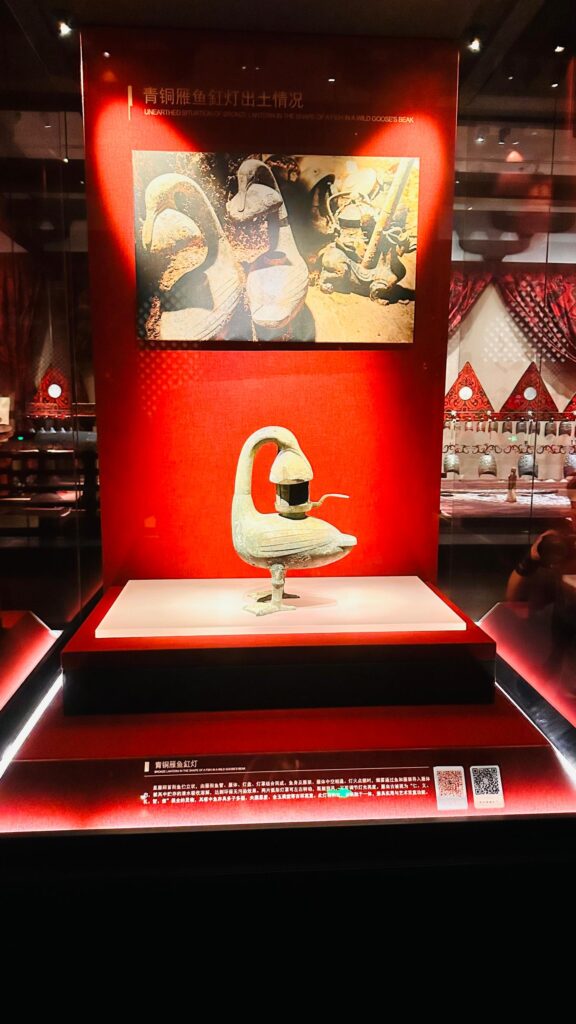
Gold glitters beneath the lights, jade ornaments appear almost luminous, and exquisitely crafted bronze vessels stand as silent witnesses to an extraordinary civilisation.
There is an unmistakable feeling that these are not merely museum exhibits. They are fragments of lives once lived — objects that belonged to kings, nobles, artisans and scholars whose stories have travelled more than 20 centuries to meet today’s visitors.
For a journalist accustomed to documenting the present, the museum offers a rare opportunity to report from the distant past.
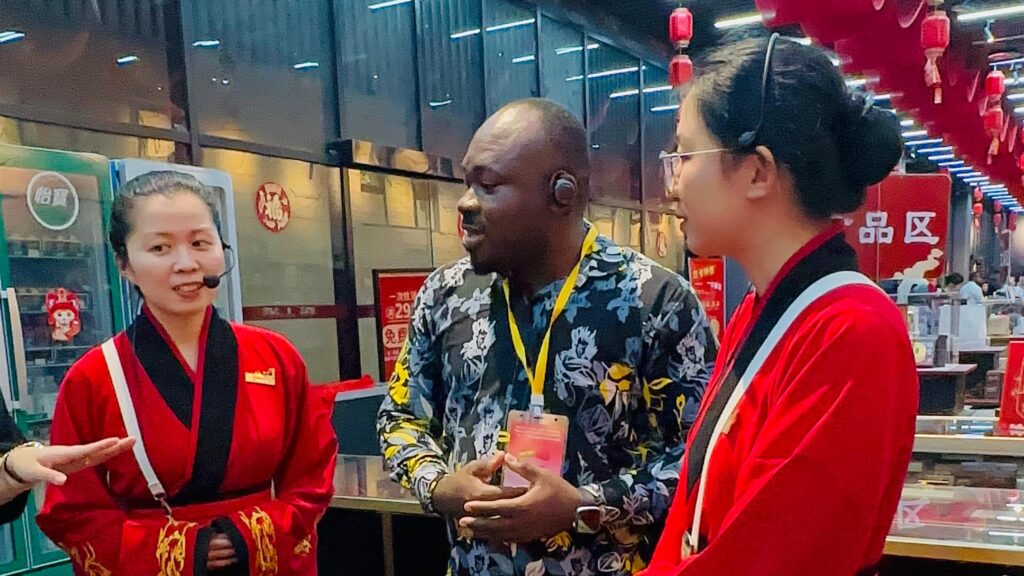
“Our museum preserves one of the most important archaeological discoveries in modern Chinese history,” says Ms. Xiao Guo, tour guide, as a group of journalists from Belt and Road Initiative partner countries gathered before a massive display introducing the Haihunhou archaeological site.

“The discoveries here have transformed historians’ understanding of the Western Han Dynasty.” Ms. Xiao adds. “They reveal not only the wealth of the period but also its politics, culture and daily life.”
The Emperor Who Ruled for Just 27 Days
At the centre of this story is Liu He. His reign as emperor lasted only 27 days, one of the shortest in Chinese history.
The grandson of the celebrated Emperor Wu, Liu He ascended the imperial throne amid great expectations. But political intrigue soon overtook his reign. Powerful ministers removed him from office, accusing him of misconduct and incompetence.
Stripped of imperial authority, Liu He was exiled to Haihun, in present-day Nanchang, where he lived out the remainder of his life, bearing the title Marquis of Haihun.
History could have forgotten him. Instead, it preserved him and rehabilitated him.
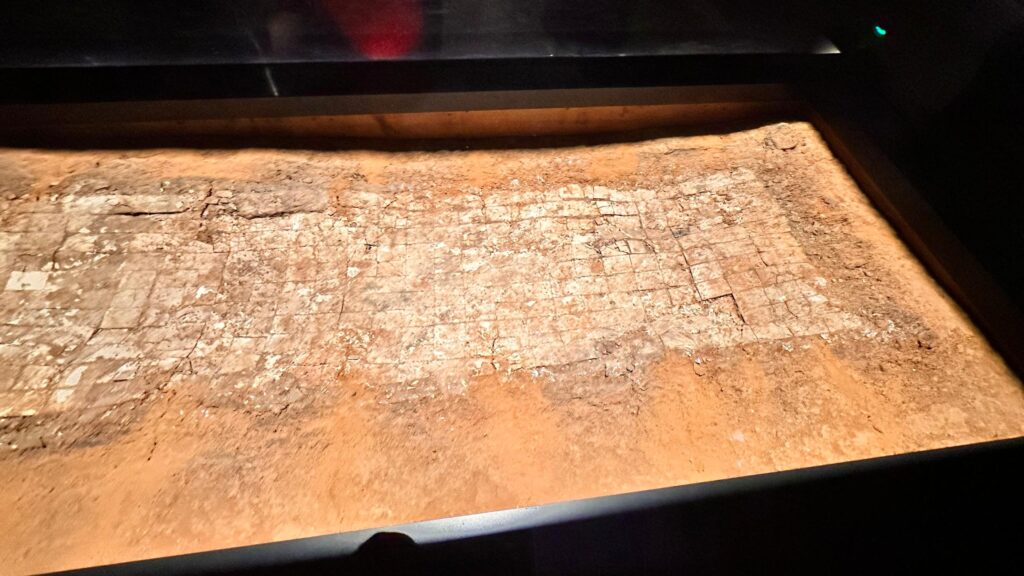
Centuries later, archaeologists uncovered his remarkably intact burial complex, revealing one of the richest royal tombs ever discovered from the Han Dynasty.
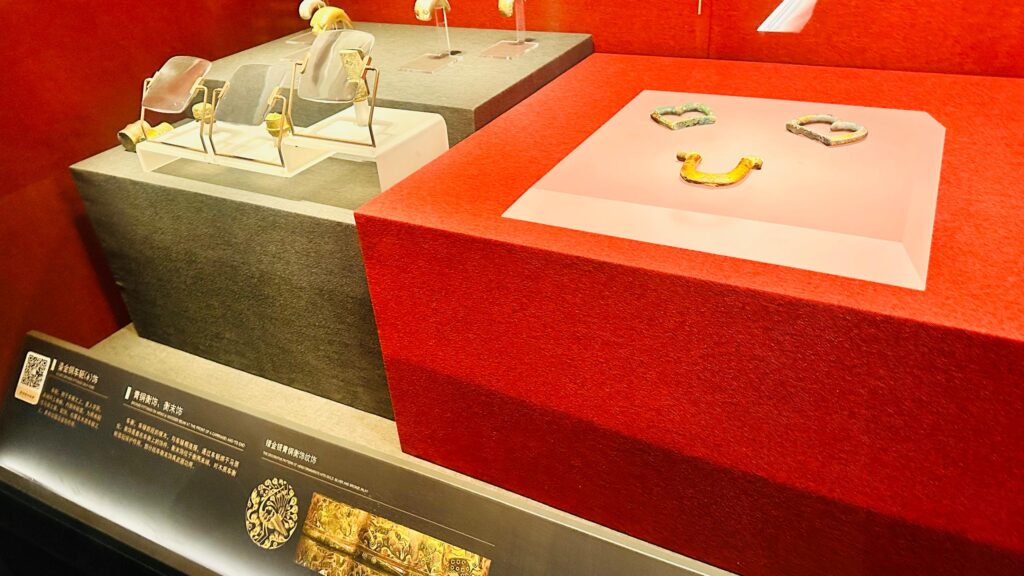
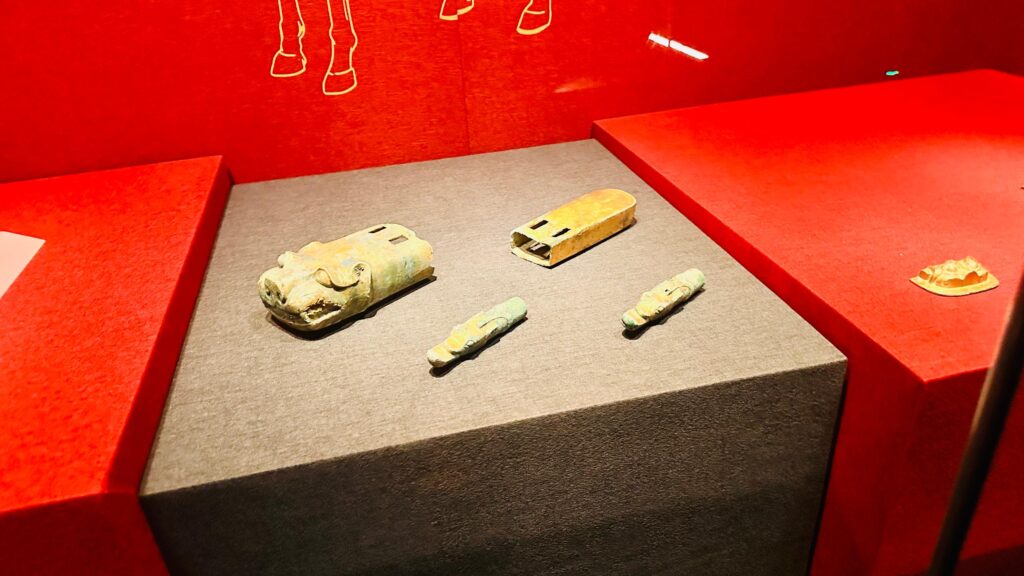
More than 10,000 cultural relics — including gold artefacts, bronze wares, jade ornaments, bamboo slips, wooden tablets, horse-drawn chariots and everyday household objects — were recovered, providing an unprecedented glimpse into life during one of China’s most prosperous eras.
“People once remembered him only as a failed emperor. Today, archaeological evidence allows us to understand him as a historical figure whose life reflected the complexities of imperial politics during the Han Dynasty.” Ms. Xiao notes.
It is a reminder that history is rarely final. Sometimes, the earth itself becomes its most persuasive historian.
A Kingdom of Gold Beneath the Earth
Nothing prepares visitors for the abundance of gold.
Display after display reveals meticulously crafted gold cakes, horse-hoof gold, kylin-foot gold and intricately designed ornaments that once adorned one of China’s most privileged households.
According to museum records, approximately 115 kilograms of gold were recovered from the tomb, including 478 individual gold artefacts — more than those unearthed from all previously discovered Han Dynasty tombs combined.
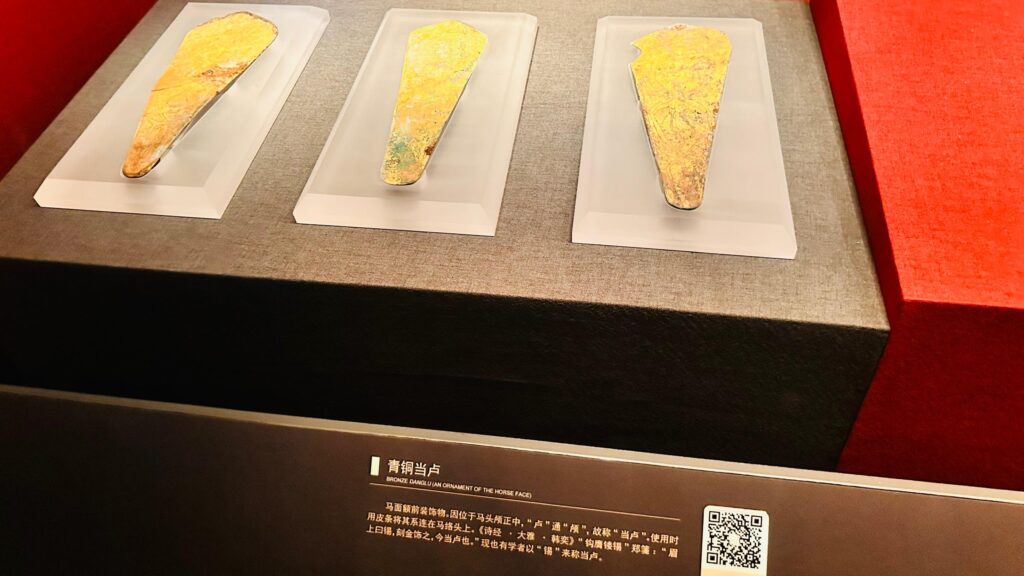
Yet the exhibition is about far more than precious metals. Delicate jade pieces demonstrate remarkable artistry, while bronze vessels reveal sophisticated craftsmanship. Ancient bamboo slips preserve written records that continue to inform historical research. Even the remains of horse-drawn chariots speak to royal life and ceremonial traditions.
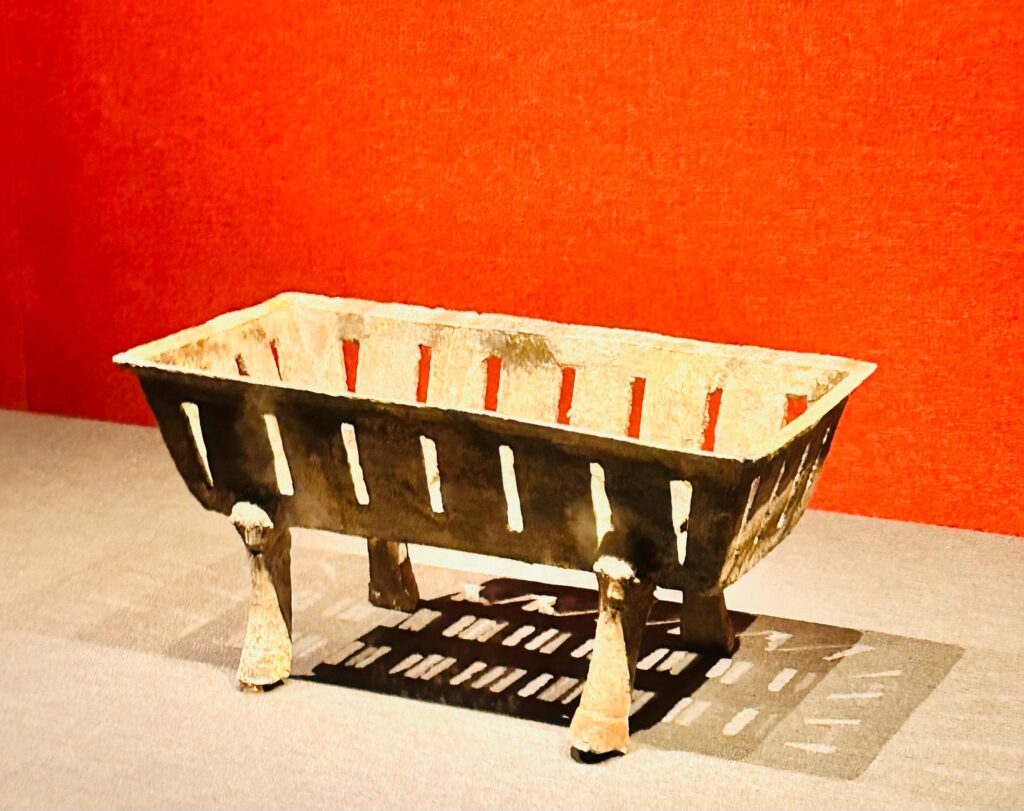
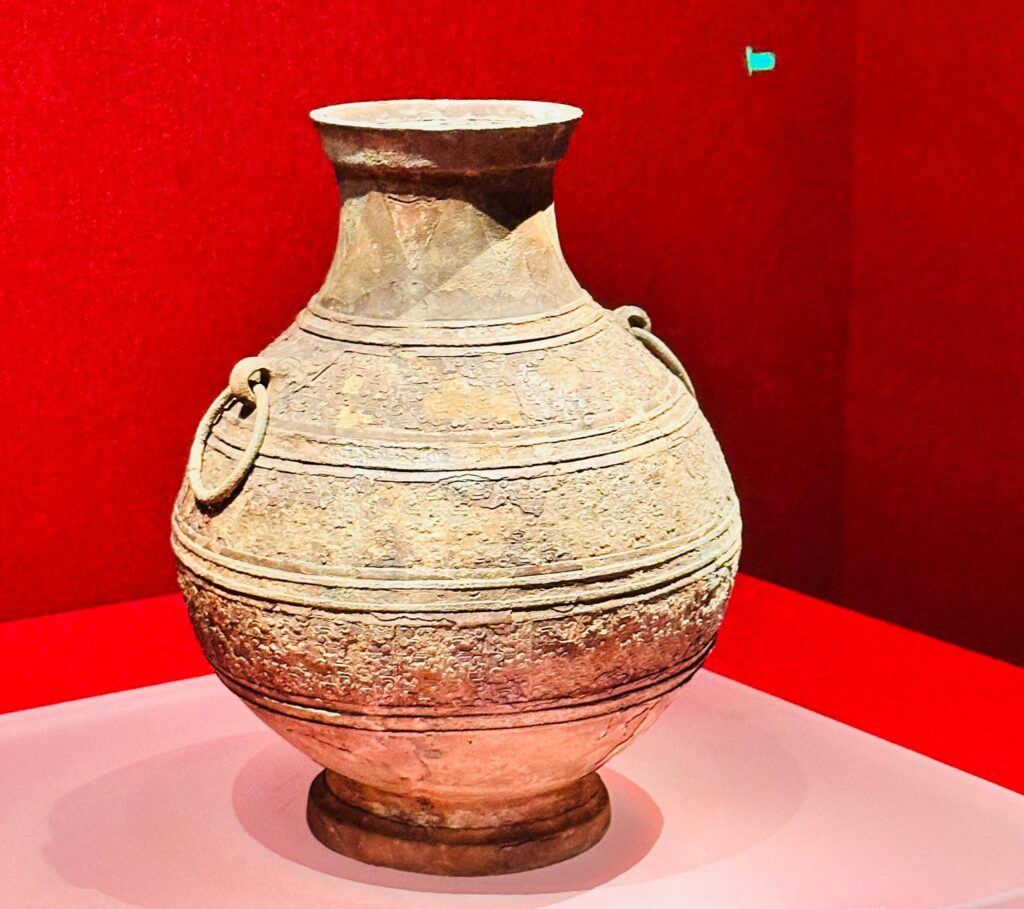
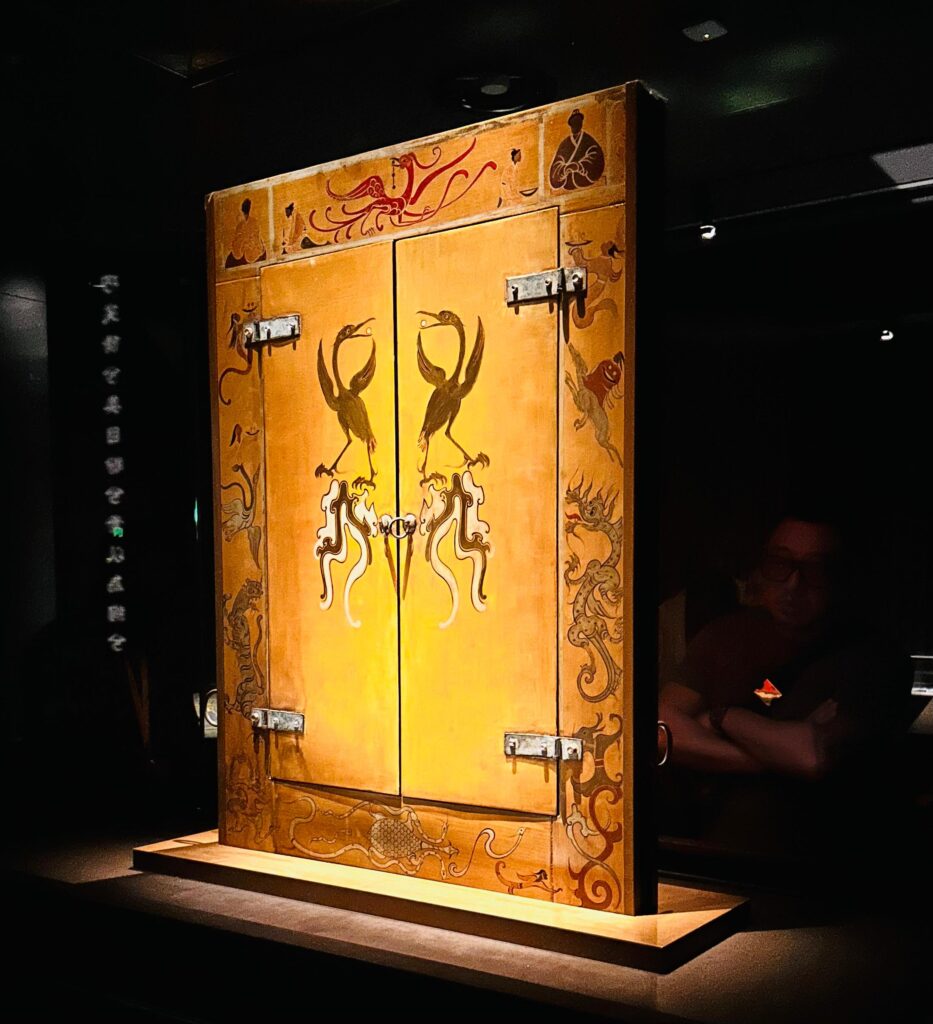
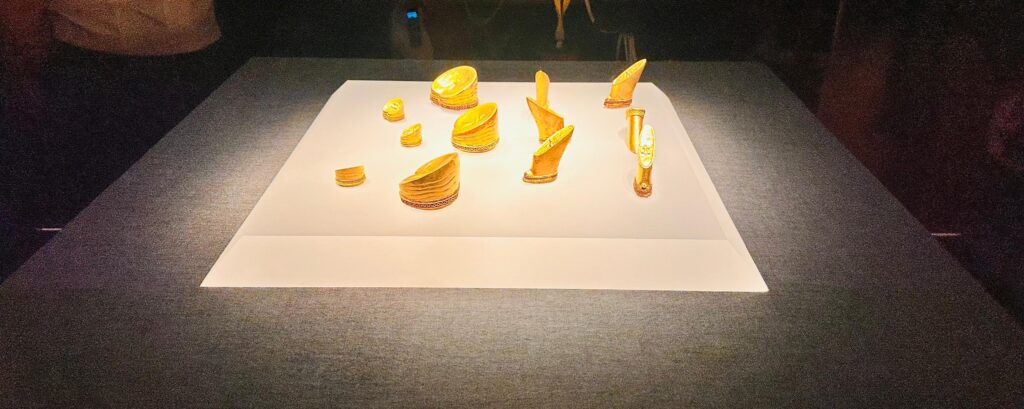
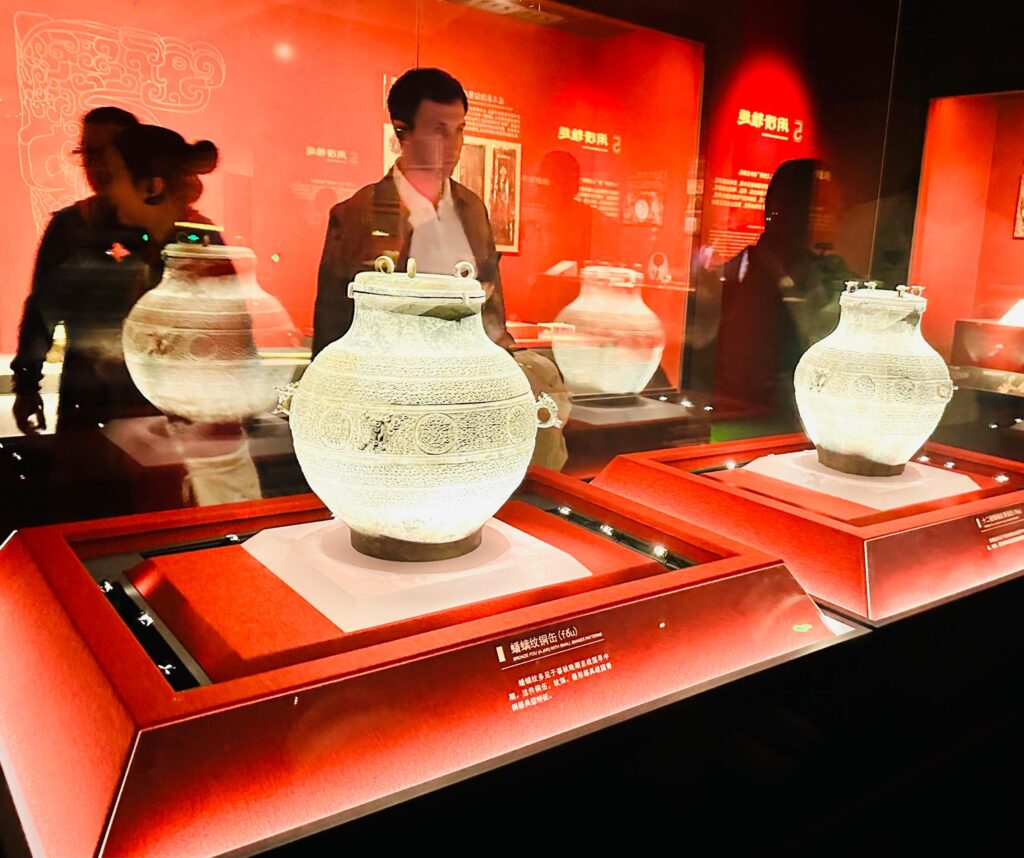
The museum’s use of digital projections, interactive displays and reconstructions allows visitors to imagine life within the Haihun Principality — bustling palace courtyards, ceremonial processions and scholarly pursuits from centuries ago.
Standing before one showcase, Ms. Cleopatra Murphy, a journalist from the Bahamas, reflected: “Gold may capture your attention, but it is the history behind it that holds you here.”
Indeed, the true treasure lies not in precious metals but in the stories they continue to reveal.
Conversations Across Civilisations
What made the visit memorable were the conversations the artefacts inspired.
The delegation of journalists came from different countries and media backgrounds. Yet inside the museum, nationalities faded. We were united by curiosity and appreciation for the power of history.
How had jade survived for more than 2,000 years? What techniques did Han craftsmen use? How many generations lived before these treasures saw daylight again?
“Every excavation teaches us something new.” Ms. Xiao said. “Archaeology is not only about discovering objects. It is about discovering stories. Every relic helps us understand how people lived, governed, worshipped and interacted.”
Ms. Yasmin Mufeed from Bahrain noted: “You cannot build tomorrow if you forget yesterday. Museums like this give young people a chance to understand where they come from.”
Ms. Grace Saron from the Philippines was struck by the scale: “What impresses me most is not simply the gold. It is the commitment to preserving every detail of history. You can see the respect given to each artefact, no matter how small.”
For journalists, the visit was also a reminder that today’s headlines become tomorrow’s history. And may be contested.
More Than a Museum: A Lesson in Memory
The Haihunhou Museum does more than display ancient treasures. It tells a story of patience.
Painstaking excavations, meticulous conservation and careful presentation reflect years of work by historians and archaeologists determined to safeguard an irreplaceable chapter of China’s past.
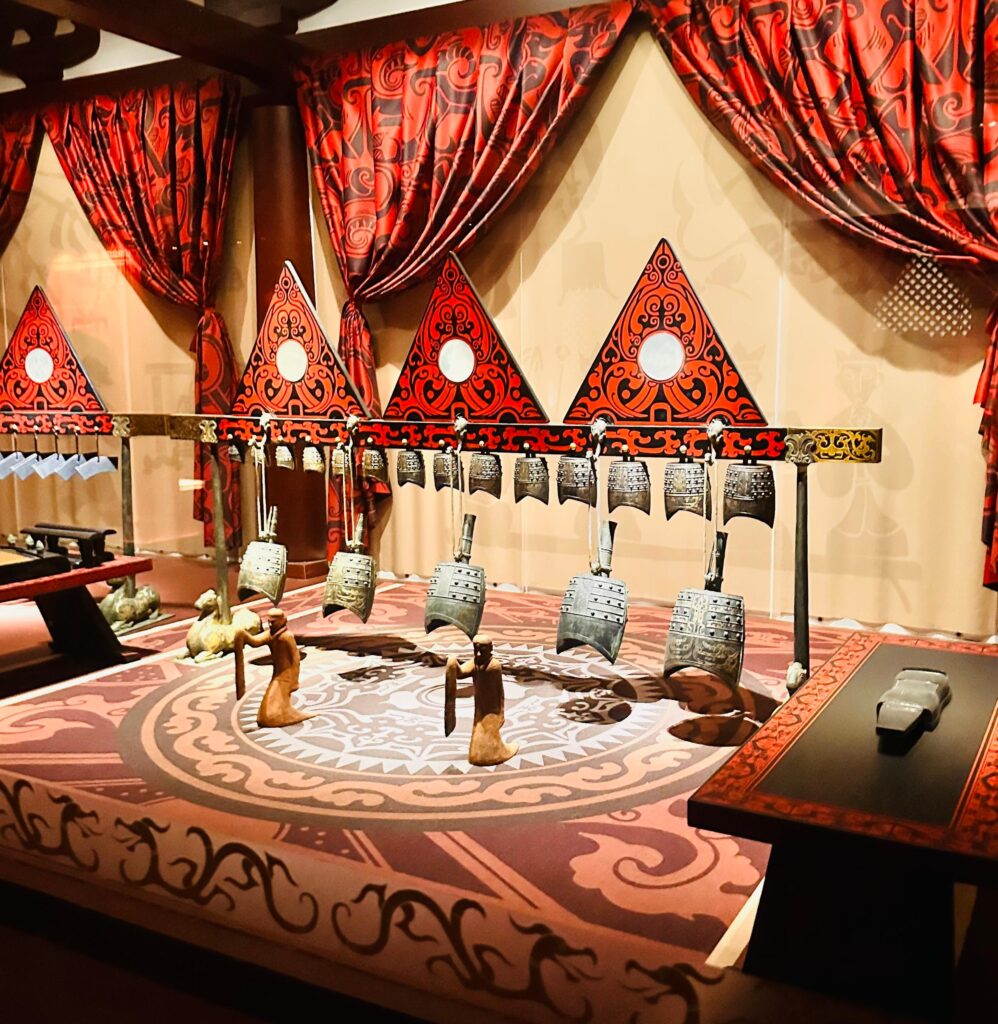
Technology is also transforming how history is experienced. Interactive screens and digital reconstructions help visitors visualise the Haihun Principality as it appeared over two millennia ago.
The archaeological park extends beyond the museum to a reenacted excavation site where Liu He and his family were buried.
“It is one of the largest, best-preserved and richest Han Dynasty marquisate sites discovered in China,” the guide explained. “Every discovery helps us reconstruct an important period of Chinese civilisation.”
Walking through the galleries, it became clear the museum’s greatest achievement is not just preserving objects, but preserving identity. Without memory, monuments become ruins and cultures lose their connection to the past.
Where the Past Still Speaks
As the visit ended, visitors of all ages moved quietly through the halls, pausing to admire gold and study ancient inscriptions.
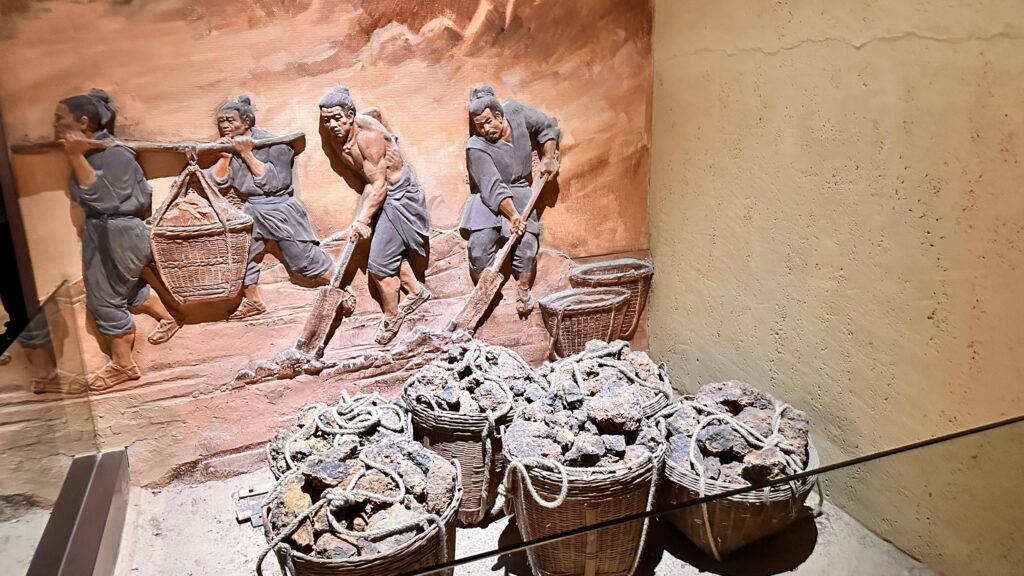
Outside, modern Nanchang pulsed with the energy of a fast-growing city. Inside, the past remained alive — a reflection of a nation embracing the future while protecting its heritage.
Long after leaving, thoughts return to Liu He — the emperor whose 27-day reign might have faded, were it not for one of China’s greatest archaeological finds.
Through excavation and preservation, his story has transcended time.
For those privileged to walk the galleries of the Haihunhou National Archaeological Site Museum, the experience was about more than gold. It was a reminder that while empires rise and fall, history endures through those committed to preserving it, and continues to speak to every generation willing to listen.
GNA
Edited by Samuel Osei-Frempong
Reporter: James Amoh Junior
Email: [email protected]