By Michael Foli Jackidy, GNA
Ho (V/R), June 27, GNA – Mr Joshua Ansah, Secretary-General of the Trades Union Congress (TUC), has reaffirmed organised labour’s commitment to dialogue but cautioned that workers would resort to industrial action if their concerns continued to be ignored.
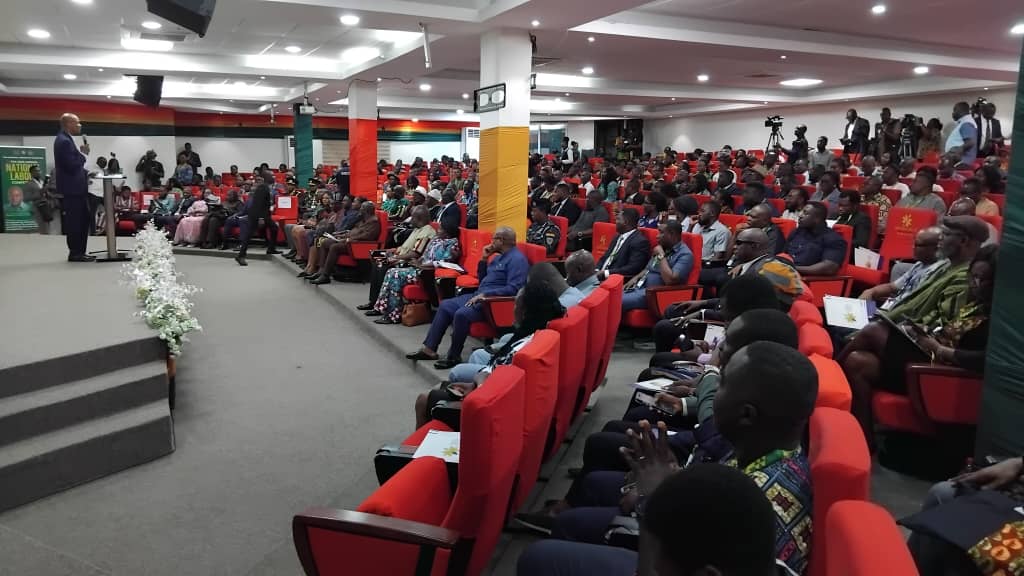
Addressing the opening of the 2026 National Labour Conference in Ho, Mr Ansah said strikes remained a legitimate option when dialogue failed, stressing that fair negotiations and mutual respect were the surest means of preserving industrial peace.
“We prefer fair discussions and fair conclusions. If those processes are respected, there will be no strikes. But if workers are pushed to the wall, we will have no option but to act,” he stated.
Mr Ansah also raised concerns over reports of substantial salary increases for some categories of public office holders while public sector workers had received only a nine per cent salary adjustment. He said organised labour was investigating the matter and would respond after establishing the facts.
The TUC Secretary-General urged Government to expedite the review of Ghana’s labour laws, noting that organised labour had made significant contributions during nationwide stakeholder consultations aimed at aligning the legislation with the changing world of work.
He expressed disappointment that the Labour Bill did not feature on the conference agenda and appealed to President John Dramani Mahama and the conference organisers to ensure the draft legislation was finalised without delay and reflected the views of organised labour.
Mr Ansah observed that although Ghana’s economy was gradually recovering, many workers continued to grapple with the high cost of living, insecure jobs, inadequate wages, limited social protection, and challenges relating to housing, healthcare and transportation.
He said industrial harmony should not be viewed merely as the absence of strikes but as a product of trust, fairness, social justice, dialogue and shared responsibility among Government, employers and workers.
He stressed that sustainable economic growth could not be achieved where workers were excluded from decision-making, labour rights were disregarded or wages failed to keep pace with rising living costs.
Mr Ansah described Ghana’s tripartite system as a vital pillar of labour administration, enabling Government, employers and organised labour to reconcile their interests through consultation, negotiation and constructive engagement.
He called for increased investment in education, technical and vocational training, reskilling and lifelong learning to equip workers with the skills required for industrialisation, digital transformation and emerging sectors of the economy.
The TUC Secretary-General further advocated policies that promoted labour-intensive industrialisation, value addition, local content development and support for small and medium-sized enterprises, while ensuring decent work across all sectors.
He also urged the Government to strengthen social protection through improved pension schemes, occupational safety and health programmes, healthcare and unemployment support to enhance workers’ welfare and national resilience.
Mr Ansah underscored the importance of respecting labour laws and collective bargaining agreements, describing collective bargaining as one of the most effective mechanisms for promoting workplace democracy and preventing industrial disputes.
He encouraged employers and workers to resolve differences through dialogue rather than confrontation and called on Government to continue creating an enabling environment that protected workers’ rights and promoted social justice.
Mr Ansah reiterated organised labour’s commitment to constructive engagement with Government and employers, stressing that while a prosperous economy benefited all, the gains of economic growth must be shared equitably among those who contributed to creating them.
He described workers as the engine of national development, saying no meaningful economic transformation could be achieved without placing workers and decent work at the centre of national development policies.
Mr Ansah urged participants to use the conference to deepen collaboration and develop practical solutions to the challenges confronting Ghana’s labour market in order to strengthen industrial harmony and accelerate inclusive economic growth.
GNA
Edited By: Maxwell Awumah/Kenneth Odeng Adade