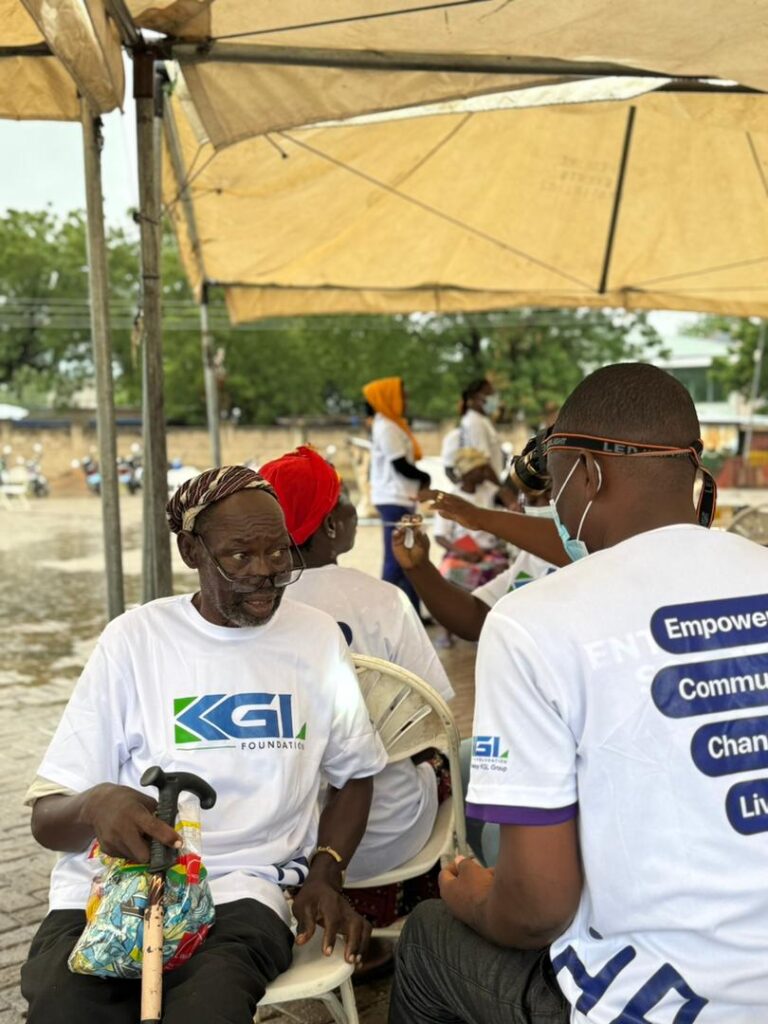
Bolgatanga, June 14, GNA – The KGL Foundation has provided free health screening services to residents of the Bolgatanga Municipality, helping to remove cost barriers to essential medical checks and promoting early detection and preventive healthcare.
Mr Nii Ankonu Annorbah-Sarpei, Programmes Manager of the Foundation, said many Ghanaians paid little attention to routine health checks and stressed the importance of knowing one’s health status.
“A lot of Ghanaians do not really pay much attention to their health, so this initiative will help people to know their health status,” he said.
He explained that knowing one’s health status was the first and most important step in preventing complications, noting that many deaths could be avoided through early detection rather than emergency treatment when conditions have worsened.
This was contained in a statement issued by the KGL Foundation and copied to the Ghana News Agency.
The statement indicated that the initiative sought to ensure that financial constraints did not prevent people from accessing basic health services or knowing their health status.
It noted that the exercise achieved its intended objective, as many residents underwent tests for the first time, not out of neglect, but due to the high cost of routine medical check-ups.
The screening covered various conditions, including Hepatitis B and C, HIV, malaria, blood sugar levels, blood pressure, and other basic health assessments.
It also incorporated mental health screening, an often overlooked aspect of community health outreach, alongside a blood donation exercise.
These conditions often develop without visible symptoms until complications arise, making early detection critical to improving health outcomes and saving lives.
Ms Rosemary Akolbire, a Public Health Nurse, expressed concern about the rising burden of non-communicable diseases.
“Of late, many people are living with non-communicable diseases without knowing their condition,” she said.
She emphasised that free community interventions were vital in bridging healthcare access gaps, especially among vulnerable and low-income groups.
The statement noted that while diseases such as hypertension, diabetes, hepatitis, HIV and mental health conditions affected people across all income levels, access to diagnosis often depended on financial capacity.
Despite a downpour, residents turned up in large numbers for the exercise, demonstrating strong demand for accessible healthcare services.
Mr Abubakar Zakaria, a beneficiary, described the initiative as timely and necessary.
“Many people have never undergone some of these tests before due to cost barriers,” he said.
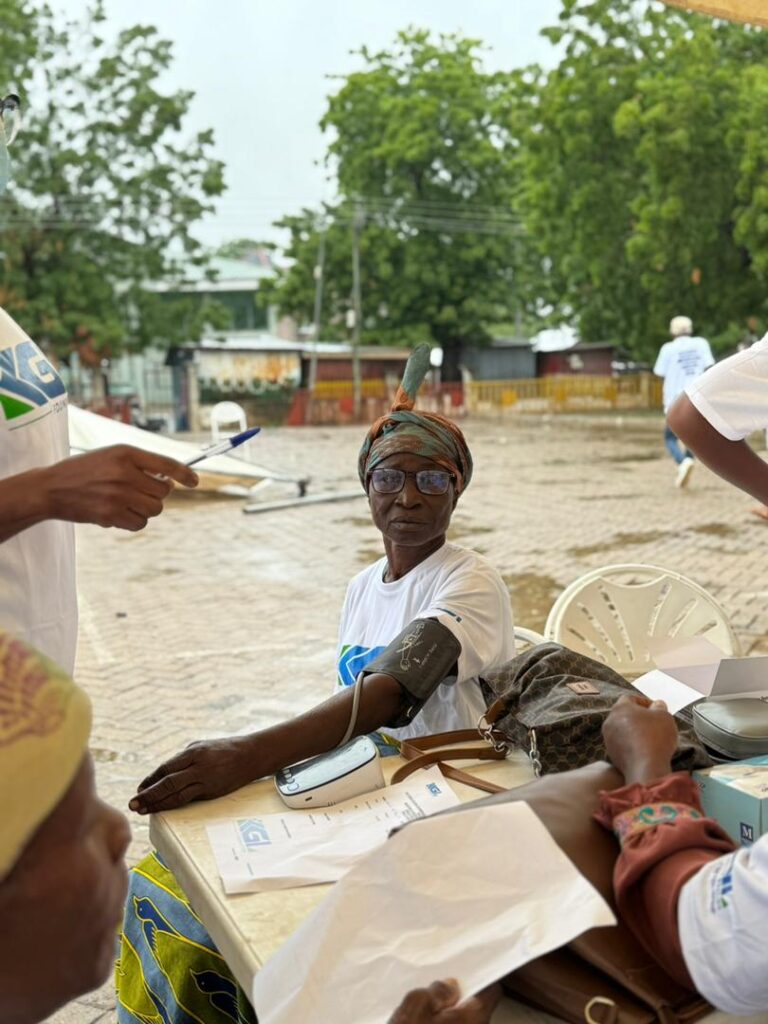
His remarks, the statement indicated, reflected the experiences of many residents who participated in the exercise and left better informed about their health status.
Some beneficiaries also gained increased awareness of personal health management and the importance of taking proactive steps to protect their wellbeing.
Mr Annorbah-Sarpei highlighted the importance of investing in the health of women and children, describing them as vital assets to families and national development.
He said their wellbeing was closely linked to social and economic progress and should be prioritised in development planning.
Beneficiaries called on other organisations to replicate similar initiatives in communities across the country.
The statement said the KGL Foundation, through the intervention, had demonstrated that effective health advocacy involved not only creating awareness but also removing barriers and bringing services closer to the people.
GNA
Edited by D. I. Laary/Lydia Kukua Asamoah