By Iddi Yire, GNA Special Correspondent in London
London, June 2, GNA – President John Dramani Mahama says the Human Sexual Rights and Ghanaian Family Values Bill still has a considerable constitutional process to undergo before it can become law, despite its recent passage by Parliament.
Speaking at Chatham House in London on Monday during his official visit to the United Kingdom, President Mahama said several procedural and legal issues surrounding the Bill would have to be addressed before any presidential assent could be considered.
Responding to a question on the legislation, commonly referred to as the anti-gay Bill, the President said concerns had already emerged regarding the circumstances under which Parliament passed the Bill.
He noted that the Speaker of Parliament had taken steps towards addressing some of the issues that had been raised.
“I just got some communication that the Speaker was reading a statement to address the issue of the lapses in the passage of the Bill,” President Mahama stated.
The President explained that questions had been raised over whether Parliament had the required quorum at the time the Bill was approved.
He said there were also concerns about procedural lapses associated with its passage.
President Mahama noted that the Human Sexual Rights and Ghanaian Family Values Bill had generated unprecedented public interest and debate in Ghana, underscoring the importance many Ghanaians attach to issues relating to family values and cultural norms.
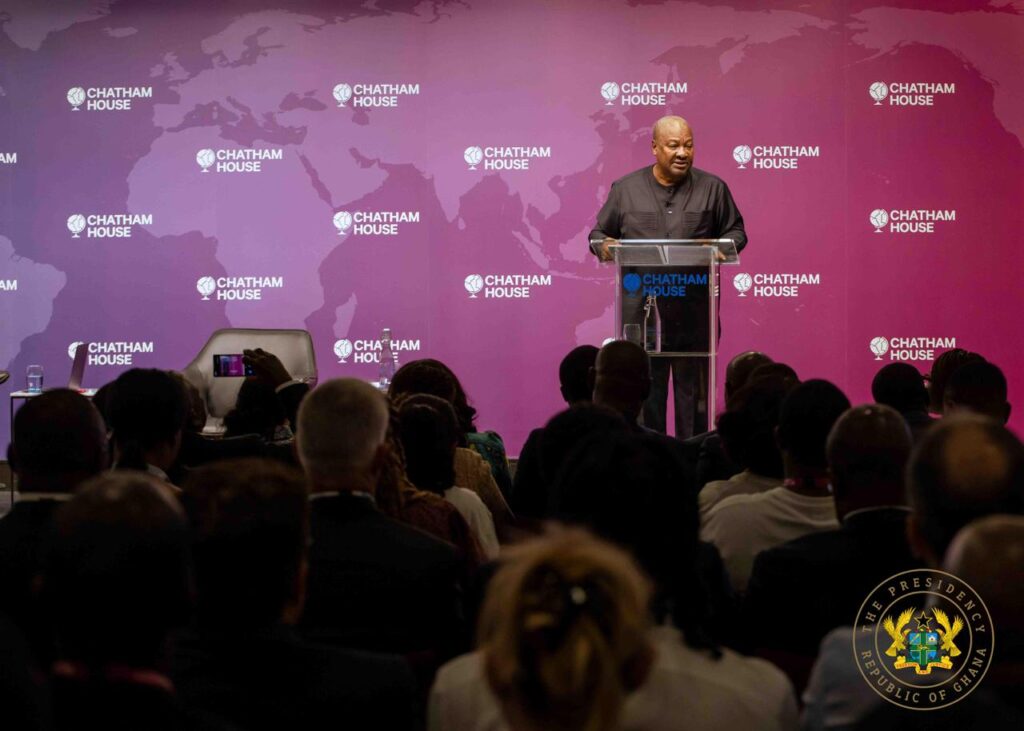
He said Parliament had been considering the Bill for some time and was expected to pass it last week.
Providing further insight into the constitutional process, President Mahama recalled that while serving as Opposition Leader, he had publicly outlined the options available to a President when such legislation is presented for assent.
“It must come for assent. And so once the President gets it, you go through it because you’re not part of the discussion in Parliament,” he said.
The President explained that the legislation was introduced as a Private Member’s Bill rather than a Government Bill, a distinction that required additional legal scrutiny before a decision could be made.
The Attorney-General and the President’s legal advisers would carefully examine the Bill to ensure that all constitutional and procedural requirements had been met.
“This was not a Government Bill. And so we’ll look at it and make sure that everything is in order before the President is advised to assent,” he explained.
President Mahama noted that under Ghana’s constitutional arrangements, the President could seek advice from the Council of State if concerns arose regarding any aspect of the Bill.
The Council of State serves as an advisory body to the President on matters of governance and national importance.
He added that where substantial concerns were identified, the President could return the Bill to Parliament with specific observations for reconsideration.
“And so that’s still quite a way to go before that Bill becomes law,” President Mahama said.
The Human Sexual Rights and Ghanaian Family Values Bill has remained one of the most debated pieces of legislation in Ghana in recent years.
The latest passing of the Bill has also generated debate.
The Minority New Patriotic Party (NPP) has expressed concern that amendments before its passage had watered down some of the original provisions and weakened the Bill’s intended effect.
They argued that the changes departed from the objectives of the original legislation and called for the preservation of what they described as the Bill’s “core protective measures.”
The legislation was first passed by Parliament in February 2024 during the administration of former President Nana Addo Dankwa Akufo-Addo. However, it did not receive presidential assent before the end of his tenure.
The Bill also became the subject of legal challenges at the Supreme Court, with petitioners seeking constitutional interpretations on aspects of the Bill and the legislative process.
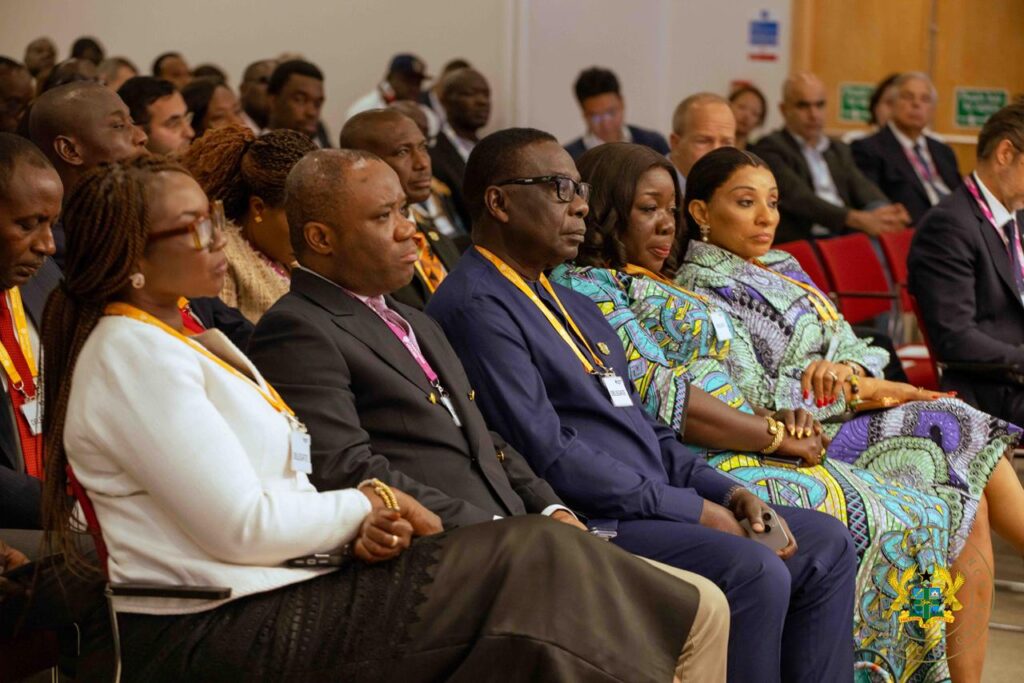
The 2024 version of the Bill also attracted strong opposition from some civil society organisations, human rights advocates and professional bodies, which argued that certain provisions could lead to discrimination, vigilante actions or violence against persons accused of being LGBTQ+.
Critics also contended that some clauses could adversely affect the work of professionals such as lawyers, academics, journalists, counsellors and healthcare providers whose responsibilities may require them to discuss, research, report on or provide services relating to issues addressed by the legislation.
These concerns formed part of the broader national and international debate surrounding the Bill and contributed to the legal challenges that followed its passage.
Supporters of the legislation, however, have argued that it is intended to safeguard Ghanaian family values, cultural norms and social traditions, making it one of the most closely watched legislative measures in the country’s recent history.
President Mahama’s remarks at Chatham House formed part of his five-day official visit to the United Kingdom, during which he has engaged political leaders, policy experts, investors and members of the Ghanaian community on issues relating to governance, economic recovery and international cooperation.
GNA
Edited by Beatrice Asamani Savage