Bonn, Germany, June 15, GNA – Dr Nana Antwi-Boasiako Amoah, Chair of the African Group of Negotiators (AGN) on Climate Change, has called for a stronger and more coordinated African women’s agenda in global climate negotiations.
He said unity and strategic engagement were essential for securing meaningful outcomes for the continent.
Nana Dr Amoah made the call during an engagement with members of the Women and Gender Constituency on the sidelines of the ongoing United Nations climate meetings in Bonn.
He noted that Africa’s development and climate priorities could not be achieved without deliberately elevating women’s voices and addressing structural barriers to their participation and implementation.
The engagement provided a platform to listen to women and gather their priorities to inform the AGN’s advocacy at higher decision-making levels.
“Africa has more women than men, and women have unique circumstances and issues that need to be prioritised,” Nana Dr Amoah said.
He indicated that one of his leadership priorities was inclusive engagement that brought together all groups capable of advancing Africa’s collective agenda.
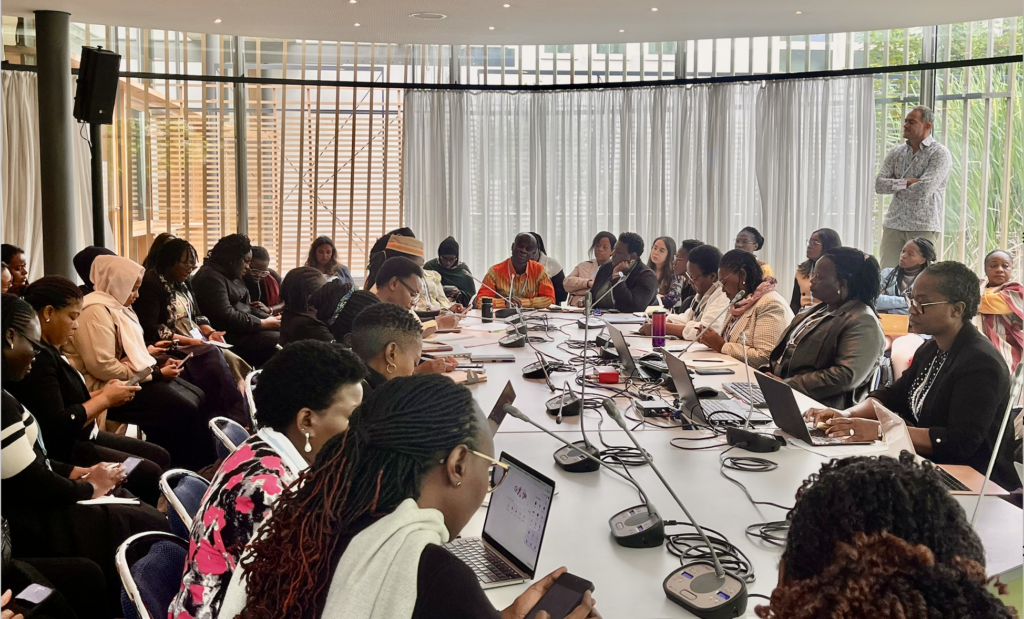
He urged African women to organise around common positions and develop coordinated policy inputs to strengthen the continent’s negotiating influence.
“If there is a position paper or a collective African women’s voice on critical issues, it will carry significant weight in shaping negotiations in certain directions,” he said.
The AGN Chair acknowledged that limited climate finance remained one of Africa’s biggest obstacles and argued that it was contradictory for global actors to advocate women’s empowerment while restricting access to implementation resources.
“It is counterproductive to speak about supporting African women while blocking the means of implementation that allow those priorities to materialise at the local level,” he stated.
Nana Dr Amoah assured participants that AGN remained committed to promoting merit-based representation while also creating opportunities to improve women’s participation in climate governance.
He disclosed ongoing efforts to support women’s inclusion in nomination processes and encouraged participants to remain engaged and optimistic.
Participants highlighted several concerns, including the underrepresentation of African women in international climate institutions and constituted bodies, insufficient access to leadership opportunities, and limited transparency in recruitment within climate-related institutions.
Madam Fatou Ndeye Geye, a Lead Coordinator for Gender and Climate Change for the AGN, questioned the representation of women from developing countries within international climate secretariats and called for data on the number and levels of African women currently serving in those institutions.
She raised concerns over the implementation of the Gender Action Plan, arguing that inadequate financing was limiting the ability of developing countries, especially Least Developed Countries (LDCs), to undertake research, prepare submissions and generate gender-disaggregated data needed for informed policymaking.
Madam Fatuma Hussein, Chief of Staff at the Office of the Special Envoy on Climate Change in Kenya, said climate finance need to be made more gender-responsive and accessible to grassroots communities.
She noted that resources often fail to reach women most affected by climate impacts outside major urban centres.
Madam Ayaan Abdi Harare, Climate Finance Negotiator for Somalia, advocated stronger mentorship, training, and knowledge-sharing platforms to support emerging women negotiators across Africa and increase female representation in leadership and technical structures.
GNA
Edited by Lydia Kukua Asamoah
Writer: Albert Oppong-Ansah
Email: [email protected]
June 15, 2026