A GNA Feature by Edward Acquah
Accra, May 12, GNA – Across Ghana, research is shaping the food people eat, the roads they drive on, and the technologies businesses rely on to grow.
From improved crop varieties to construction materials and food processing techniques, science is steadily moving from laboratories into real-life solutions.
Research Institutions
At the centre of this transformation are Ghana’s public research institutions, particularly the Council for Scientific and Industrial Research (CSIR), whose work over the years has directly impacted industry, agriculture, and public health.
In an interview with Dr Hillary Mireku Botey of the CSIR Intellectual Property (IP) Office, it was noted that the institution has developed and released 253 improved crop varieties representing about 97 per cent of all crops consumed in Ghana.
These include staples such as maize, rice, cassava, yam, and groundnut, which are feeding millions of households daily.
Beyond seeds, the CSIR has trained millions of farmers in modern agricultural practices, helping to increase yields and incomes.
It has also partnered with agribusinesses to scale technologies, with companies such as Newage Agri Solutions and Ghana Sumatra Ltd commercialising innovations like improved oil palm seeds.
The Building and Road Research Institute, Water Research Institute and Soil Research Institute have supported mining firms, road contractors and construction companies with technical expertise.
Roles during COVID-19
During the COVID-19 pandemic, CSIR laboratories played a key role in testing and response efforts, contributing to saving lives.
These examples highlight a critical point that research from Ghana’s public institutions is already solving problems and supporting businesses in Ghana.
Ghana’s low investment in research and development
Despite these successes, stakeholders say Ghana has not fully harnessed the potential of research to drive economic growth.
One of the major challenges is the limited involvement of the private sector in funding and applying research.
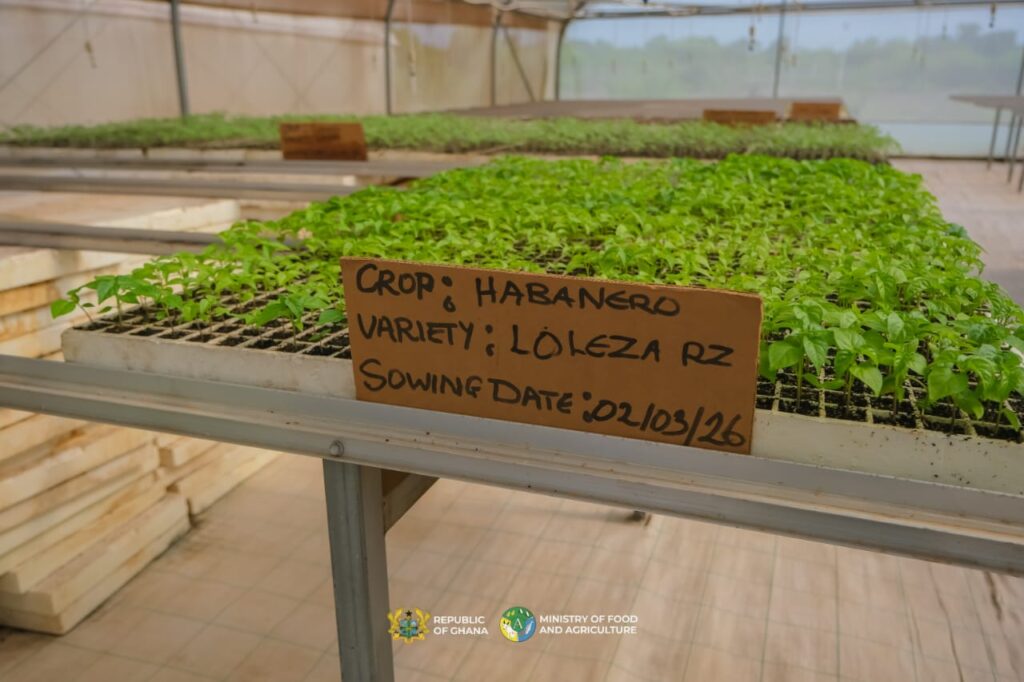
According to data from global science and development institutions, the country spends about 0.3 to 0.5 per cent of its Gross Domestic Product (GDP) on research and development—far below the African Union’s target of one per cent.
This shortfall means that much of Ghana’s research is funded by external donors, whose priorities may not always align with national needs.
It also limits the ability of research institutions to generate the kind of evidence and innovation that can attract private sector investment.
Global examples
Globally, the story is different. In countries such as the United States, Germany and South Korea, businesses fund between 60 and 75 per cent of research and development (R&D).
In South Korea, for instance, the private sector contributes about 75 per cent of national R&D spending.
The United Kingdom’s Research and Innovation (UKRI) similarly works with strong industry participation to fund and commercialise research.
These models show that when businesses invest in research, they gain access to innovation, data and technologies that improve competitiveness and profitability.
The GNRF: A new opportunity for Public-Private partnerships in R&D
To address this challenge, the government has operationalised the Ghana National Research Fund (GNRF), established under Act 1056.
The Fund is expected to be officially launched in June this year and aims to mobilise and manage resources to support research in priority areas and strengthen Ghana’s innovation ecosystem.
The development of the Fund has been supported by the Sankore Project: “Strengthening Science, Technology, and Innovation Systems and Digital Inclusion in West Africa” implemented by UNESCO in collaboration with the UK’s Foreign, Commonwealth and Development Office (FCDO).
Ms Melody Esiawonam Boateng, National Professional Officer for Natural Sciences at UNESCO Accra, said the project had helped to position the Fund as a credible and transparent institution.
“We don’t want the Fund to be just a financing tool. We want it to stand strongly as a credible institution… and respond to national priorities,” she said.
Prof. Abigail Opoku Mensah, Acting Administrator of the Fund, said building trust and accountability of GNRF is critical to attract private sector investment.
“If you have a system and the people don’t trust it, then we are not doing well at all. We should be able to show data… evidence-based research results. For them to come on board and say, if you put in this amount, something good will come out from it.”
Practical pathways for private sector engagement
Experts say there are several practical ways for Ghana’s private sector to engage in research and innovation.
One approach is co-funding research and development projects with institutions such as CSIR and universities.
This allows businesses to directly influence research priorities and ensure that outcomes meet industry needs.
Another option is licensing technologies developed by research institutions. Many innovations already exist from improved seeds to food processing techniques that can be commercialised by private companies.
Businesses can also establish joint laboratories with universities and research institutes to develop solutions tailored to their operations.
Supporting start-ups and spin-offs emerging from research institutions is another viable pathway, particularly in areas such as agritech, health technology, and renewable energy.
Public-private partnerships offer an additional model, enabling businesses to collaborate with government and research institutions on large-scale projects.
The GNRF is expected to play a central role in facilitating these collaborations.
By providing co-financing and grants, the Fund can help de-risk private sector investment in research.
It can also serve as a platform to connect businesses with researchers and ensure that projects are aligned with national priorities.
Government policies will also be critical in encouraging private sector participation.
Stakeholders say incentives such as tax reliefs for companies investing in research, matching grants, and strong intellectual property protection frameworks can make research investment more attractive.
Clear policies on commercialisation and technology transfer will also help ensure that innovations are effectively brought to market.
Some positive business interest in research in Ghana
Encouragingly, some businesses in the country are beginning to recognise this value and are actively collaborating with research institutions.
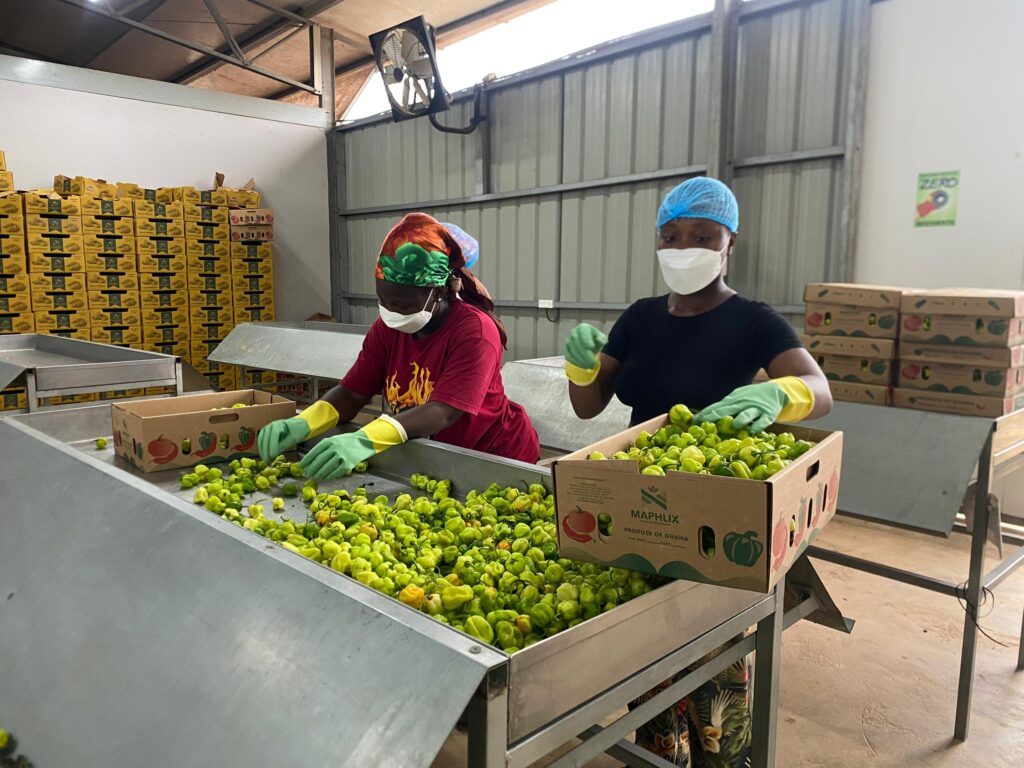
One such company is Maphlix Trust Ghana Limited, an agribusiness firm producing vegetables for both local markets and export.
The company is investing in greenhouse technology and working with local research institutions to improve productivity and climate resilience.
Dr Felix Kamassah, Managing Director of the company, said collaboration with research institutions was essential to addressing challenges in agriculture.
Speaking on ongoing partnerships, he said the company was working with Ho Technical University and the Crop Research Institute to solve issues on tomatoes and climate-smart agriculture.
He noted that while Ghana had strong research capacity, there was often a disconnect between researchers and industry players.
“The gap is that the researchers are far from the farmers. We want the researchers to be closer to the farmers… so they can solve problems on the field,” he said.
Dr Kamassah stressed that stronger collaboration would ensure that research outputs do not remain unused.
“When they finish their research work, it won’t be on the shelf. It’s something we can work on together to solve issues,” he added.
He also called on the private sector to play a more active role in supporting research, saying: “There’s a lot of opportunity… the burden shouldn’t be on only the research institutions.”
A call to action to our local industry
The evidence is clear that research is already contributing to Ghana’s development, from improved crops to industrial solutions.
But to unlock its full potential, the private sector must step up not only as users of research, but as investors and partners.
The GNRF provides a timely opportunity to build this partnership and create a more resilient and innovation-driven economy.
As Ghana faces complex challenges—from food security to climate change—the need for strong collaboration between researchers and industry has never been greater.
The question is no longer whether research matters, but whether the country is ready to invest in it.
GNA
Edited by George-Ramsey Benamba