By Mildred Siabi-Mensah, GNA
Takoradi, April 07, GNA – Bishop Emmanuel Botwey, the Chairman of the Western Regional Peace Council has called on community leaders, chiefs, assembly members, company representatives, and residents, to build strong bridges of trust and collaboration before conflicts erupt in their resource-rich areas.
Delivering the keynote address at a forum themed: “Building Bridges Before the Storm” at Asankragwa, organised by the Regional Peace Council, Bishop Botwey said the abundant resources including gold, timber, oil, bauxite, and fertile lands of Western Region’s communities, could turn into curses when grievances went unchecked.
“The storm does not announce itself with thunder only; it creeps in through grievances left unaddressed, unkept promises, and silenced voices,” he stated.
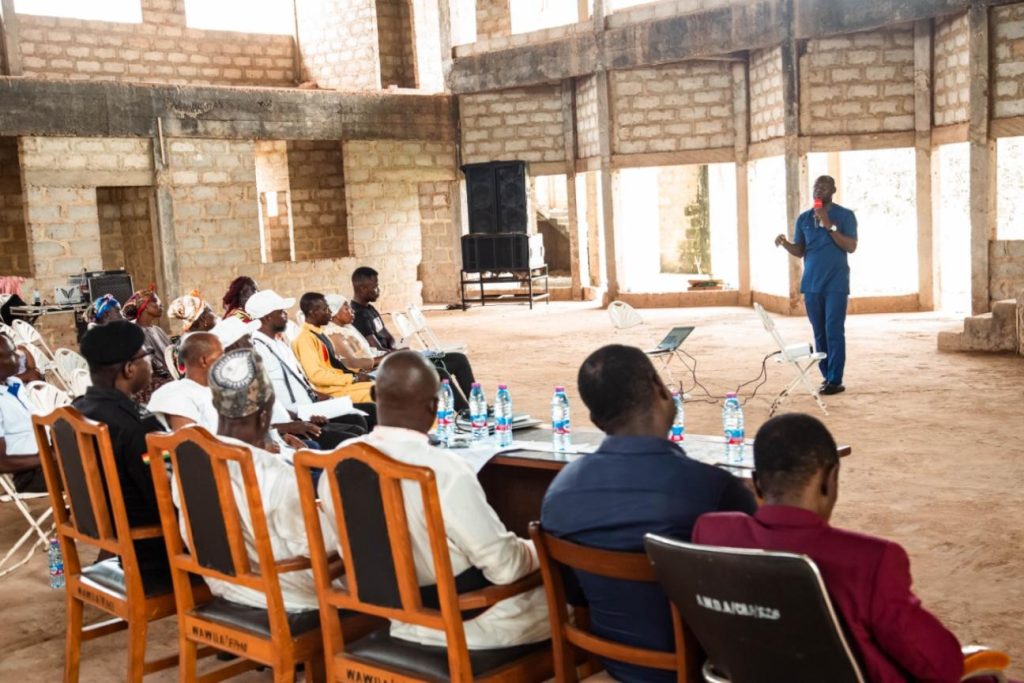
“Our task here is to build the bridges while, the sky is still clear, so that when the winds rise, the structures we have erected together will hold,” the Bishop added.
He highlighted bitter lessons from past disputes over land compensation, environmental degradation, youth unemployment, as well as unequal benefit-sharing, and positioned participants as the “true architects of peace,” with the Peace Council serving merely as a facilitator to create safe spaces for dialogue and home-grown solutions.
The Chairman outlined four practical pillars for strengthening peace which involved; early warning and response systems, community-based monitoring committees, transparent grievance mechanisms, and regular town-hall dialogues to detect tensions as early as possible.
There should also be inclusive and transparent benefit-sharing, with community participation in negotiations, publicly displayed memoranda of understanding, and representation for youth and women, he said.
Bishop Botwey cited the importance of alternative livelihoods and youth empowerment, through investments in skills training, agro-processing, eco-tourism, and small enterprises as key to reducing the current frustration and illegal mining activities within communities.
He further called for concrete commitments, quarterly accountability forums by companies and government agencies, and partnership with the Peace Council, as steps towards promoting peaceful coexistence.
Dr Ebenezer Ashun, from UMAT, noted that it was about time for Ghana to learn from the stringent environmental laws, community led monitoring and proper transition framework of Peru, Mongolia and Australia.
Mr Stephen Sarfo Amoah, the Acting Executive Secretary of the Regional Peace Council, said currently conflict existed between farmers and illegal miners, government task forces (clashes, arrests, protests), Youth frustration & resistance movement and Tension between legal companies and locals over compensation, which must be researched into and solved earlier.
The forum brought together stakeholders from resource communities, to foster unity amid ongoing challenges like illegal mining and environmental concerns in the Western Region.
GNA
Edited by Justina Hilda Paaga/ Christabel Addo