By Opesika Tetteh Puplampu
Sege, April 02, GNA-The Food and Drugs Authority (FDA) has organised a two-day training workshop on salt iodisation for artisanal salt miners in the Ada East and Ada West Districts.
The workshop forms part of efforts to modernise salt production in the area, which remains one of Ghana’s major salt-producing hubs.
It also aimed at improving sanitation practices among salt producers to ensure the production of clean and safe salt for consumption.
Speaking with the Ghana News Agency (GNA) at Sege, Madam Maureen Lartey, Director in charge of Food Safety and Consumer Education at the FDA, said a significant portion of salt produced in Ghana was from Ada.
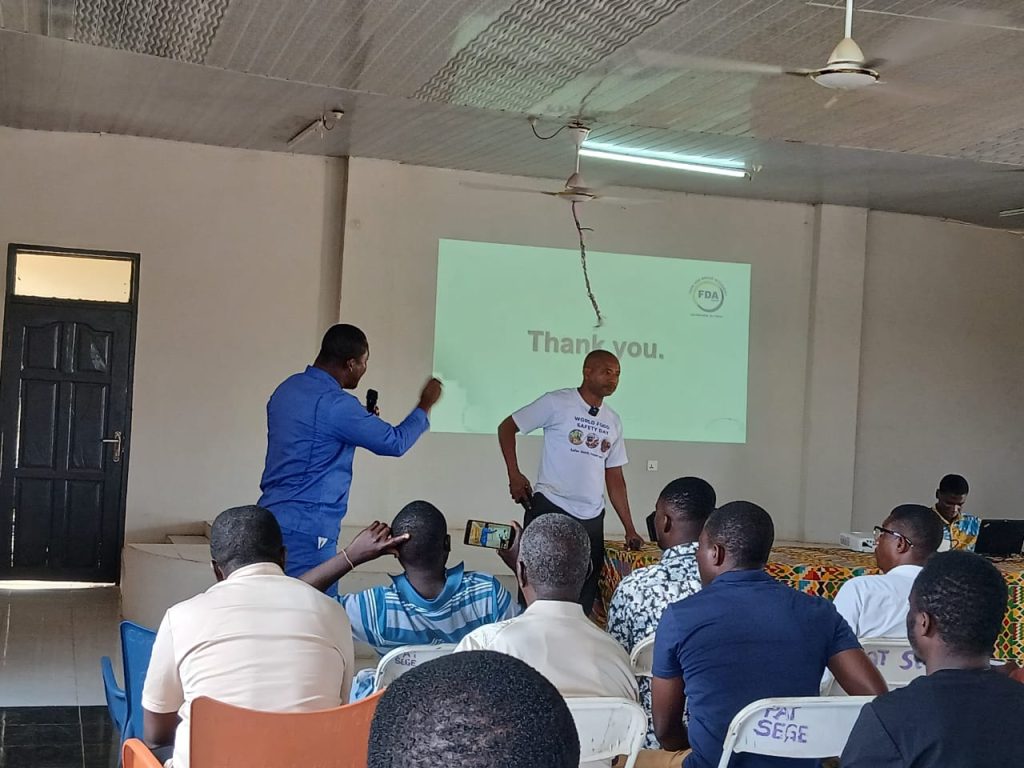
Madam Lartey explained that while other salt-producing areas had already embraced iodisation, it was important to bring artisanal miners in Ada on board.
According to her, previous attempts to introduce iodisation faced resistance, but stakeholders were now showing willingness to adopt the practice.
Madam Lartey noted that Ghana now had an adequate iodine supply to support nationwide iodisation efforts.
“It was started some years ago but faced challenges and was suspended. With the support of UNICEF, we have resumed the process,” she said.
She added that the FDA would ensure adherence to good production practices within the Ada enclave.
Madam Sybil Marie Boison, Regional Environmental Health Officer in Accra, said assessments conducted at some salt production sites revealed poor sanitation practices.
Madam Boison noted that in some areas, open defecation was observed, posing serious health risks to the quality of salt produced.
She gave the assurance that her office would enforce strict sanitation measures to improve conditions in the sector.
“As the rains have started, we will intensify our efforts to ensure proper sanitation at production sites so that the salt produced is safe for consumption,” she said.
Mr Abraham Ahumah Tetteh Karim, Public Relations Officer for the Ada Songor Lagoon Association (ASLA), commended the FDA and facilitators for addressing concerns raised during the workshop.
Mr Karim admitted that artisanal miners initially had reservations about iodisation, particularly regarding cost, but said the group had since engaged a supplier to support the process.
He disclosed that members were expected to begin iodising their salt by May 1, 2026.
“We are ready to start the iodisation. I was personally given a sample of the iodine, and I can testify that we will begin. We only hope the process will be sustained so that we do not become stranded after some time,” he said.
Some participants also commended the FDA for the training and pledged to adopt iodisation practices in their operations.
GNA
Edited by Laudia Anyorkor Nunoo/George-Ramsey Benamba