By Elizabeth Abban, GNA
Fulfulso (S/R), April 06, GNA – About 70 households displaced by recent conflicts in parts of the Savannah Region have received relief items to improve their living conditions and restore hope.
The items included 140 bags of maize, 70 bags of rice, 70 bags of cowpea (beans), 35 cartons of cooking oil, three bales of sleeping mats, and 11 bales of assorted used clothing, to address the immediate needs of affected families.
The beneficiaries were drawn from Fulfulso in the Central Gonja District, and Sawla, Kalba, Sanyeri and Nakwabi in the Sawla-Tuna-Kalba District.
The gesture followed recent violent attacks on herders in the communities leading to displacements that affected approximately 261 people in the Sawla-Tuna-Kalba District and 587 in the Central Gonja District.
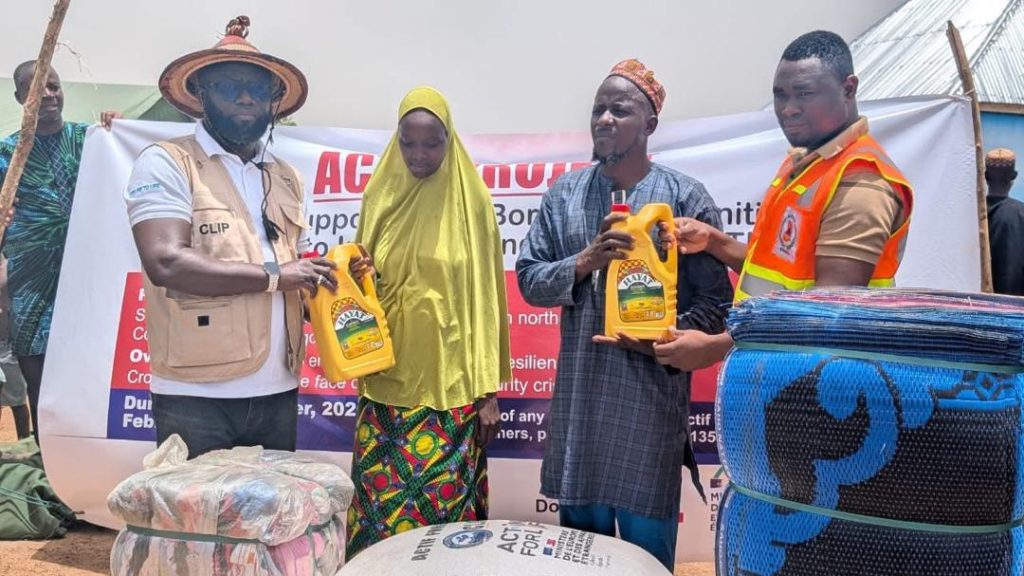
The items were provided by Changing Lives in Innovative Partnerships (CLIP), a Non-Governmental Organisation operating in the northern part of the country, in partnership with Acting for Life, a French organisation, under the Project, to Support Cross-border Communities Vulnerable to Insecurity and Fragility (ACTIF) in Ghana.
The ACTIF project is funded by the Crisis and Support Centre under the French Ministry for Europe and Foreign Affairs.
The partners collaborated with the National Disaster Management Organisation (NADMO) and the Savannah Regional Coordinating Council to hand over the items to the beneficiaries.
Mr Lukman Yussif, the Director of CLIP, during the handing over of the items to the beneficiaries in the communities, said the gesture was aimed at cushioning the impact of the conflict on affected households, who had been displaced, faced food shortages and lost their livelihoods.
He said besides meeting immediate needs, the items would help restore dignity and support the transition of displaced persons towards recovery.
He said CLIP would also cover the cost of further medical treatment for a five year-old displaced boy at Nakwabi, who sustained gunshot injuries during the violence and still had a pellet lodged in his head.
He called for collective efforts to support the victims, and urged residents to embrace peace and promote dialogue to resolve the underlying causes of the conflict.
Mr Yussif said “the urgency of the situation requires all stakeholders to come together to support affected persons and work towards lasting peace,” and encouraged communities to cooperate with authorities in addressing criminal issues.
Mr Mahama Zakaria, Savannah Regional Director of NADMO, commended CLIP and its partners for the timely intervention, describing it as a significant complement to ongoing efforts by the government.
He said aside NADMO’s provision of temporary accommodation, CLIP was the only organisation that had extended additional support to the victims so far.
He appealed to philanthropists and well-meaning organisations to support the affected communities to address the humanitarian situation.
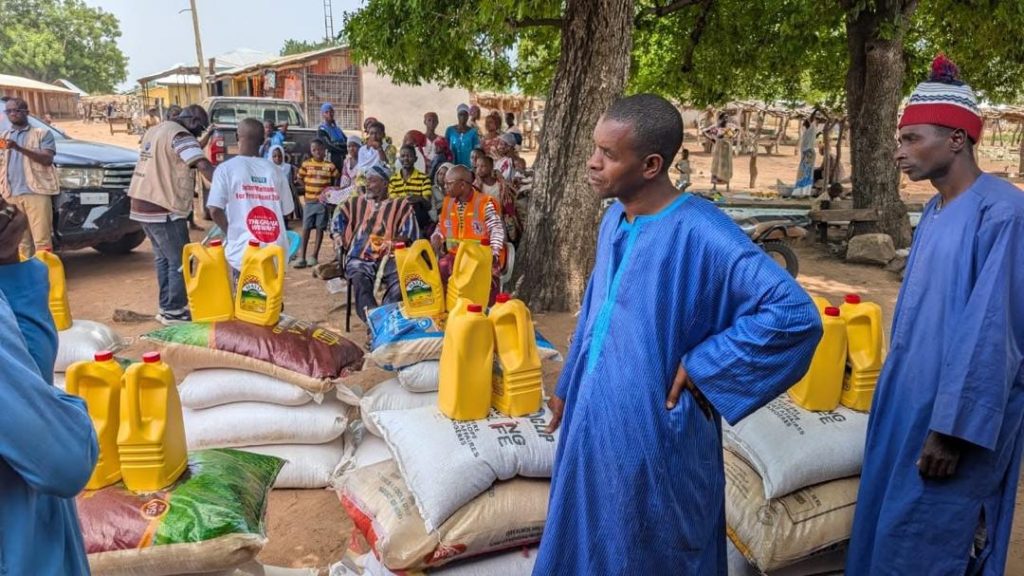
Some of the victims, who received the items, expressed gratitude for the intervention saying the items would help them meet basic household needs and begin rebuilding their lives.
They also called for sustained assistance and long-term solutions to address the root causes of the conflicts.
The ACTIF project operates across cross-border areas of northern Côte d’Ivoire, Ghana, Togo and Benin, within a context of persistent instability linked to the Sahel crisis.
In Ghana, it is being implemented in six districts in the Upper East and Upper West Regions including Garu, Bawku West, Kassena-Nankana West, Sissala East, Sissala West and Lambussie, while allowing for interventions in other areas with urgent humanitarian needs.
GNA
Edited by Eric K. Amoh/ Christabel Addo