By Solomon Gumah
Tamale, March 28, GNA – Civil Society Organisations (CSOs) in the Northern Region have advocated for sustainable climate financing and stronger policy measures, to address the gender impacts of climate change on vulnerable populations.
They said women and socially disadvantaged groups continued to bear the brunt of climate change due to limited access to productive resources, economic opportunities and participation in decision-making processes.
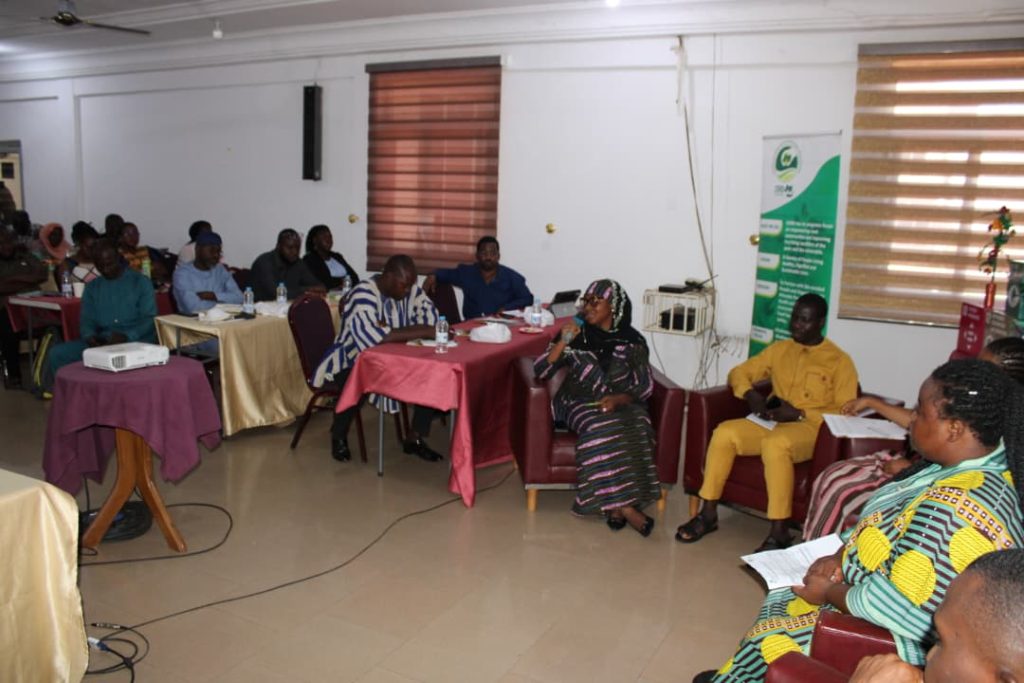
The call was made during the Northern Region Climate Finance Forum held at Tamale, through a partnership between the Strengthening Investments in Gender-Responsive Climate Adaptation (SIGRA) Project and the Center for Opportunities and Rural Development (CORD) Ghana.
The forum brought together stakeholders from government institutions, civil society organisations, development partners, financial institutions, academia, women led SMEs and the media, to deliberate on strategies to strengthen investment in climate adaptation initiatives across Northern Ghana.
Madam Lauren Intven, the Project Lead for the SIGRA Project, said entrenched social norms, patriarchal land ownership systems and gender discrimination in access to economic opportunities continued to weaken women’s ability to effectively adapt to climate change.
She said unequal household responsibilities and limited participation in decision-making processes further reduced women’s resilience to climate-related shocks.
Madam Intven noted that women and socially disadvantaged groups also faced barriers such as limited access to land, finance, credit facilities, assets, information and social protection systems.
She said these challenges hindered their ability to adopt climate-resilient practices or benefit from climate adaptation investments.
The SIGRA Project, funded by the Government of Canada, seeks to improve the resilience of Ghanaian citizens by increasing investments in inclusive and gender-responsive climate adaptation initiatives.
Madam Intven emphasised that climate change continued to pose series of implications for Ghana’s economy, particularly in areas such as food security, water resources and the livelihoods of women and vulnerable groups.
She therefore called for deliberate actions to ensure that climate financing mechanisms were accessible and responsive to the needs of women and marginalised communities.
Madam Esther Nyamekye Opoku, the Programmes and Policy Director at CORD Ghana, said the CSOs Climate Finance forum formed part of broader efforts to strengthen collaboration among CSOs in the region to champion sustainable climate adaptation initiatives in Ghana.
She said the initiative was also designed to expose participants to existing climate financing opportunities to enable them mobilise resources to support climate-related interventions within their communities and organisations.
“This forum serves as a platform for sharing knowledge on climate financing, strengthening partnerships and increasing access to financial opportunities for climate action,” she said.
Delivering the keynote address on behalf of the Northern Regional Minister, Mr Mahammud Haruna, the Regional Budget Analyst at the Northern Regional Coordinating Council, emphasised the need to make climate adaptation finance more accessible and effective for communities most affected by climate change.
He said Northern Ghana remained highly vulnerable to the impacts of climate change, with communities experiencing erratic weather patterns characterised by prolonged dry spells and sudden flooding.
He said this unpredictable weather conditions had resulted in the destruction of homes, farmlands and livelihoods, posing serious threats to agriculture, which remained the backbone of the region’s economy.
Mr Haruna said addressing these challenges required adaptation strategies that were community-driven, equitable, and adequately financed to ensure long-term resilience.
He acknowledged ongoing efforts by government and development partners to strengthen climate resilience through initiatives such as climate-smart agriculture, land restoration and sustainable water management programmes and said Ghana had made progress in expanding climate and development financing, following the approval of the updated Climate Prosperity Plan by government.
He explained that the plan provided a structured pathway for mobilising public, private and catalytic capital to support climate resilience and sustainable development across the country, adding that the Climate Prosperity Plan aligned with key national transformation initiatives including the 24-hour economy policy, the Accelerated Export Development Programme and the Big Push infrastructure agenda.
Mr Haruna, however, stressed that the scale of the climate crisis required stronger partnerships and increased access to climate financing, particularly for local actors working directly with affected communities.
He further highlighted the importance of gender-responsive adaptation, noting that women played critical role in agriculture and food systems across Northern Ghana, and reaffirmed the commitment of the Northern Regional Coordinating Council to promoting environmental sustainability and inclusive climate resilience.
He commended the SIGRA Project and CORD Ghana for organising the forum and supporting efforts aimed at building a resilient and sustainable future for communities in Northern Ghana.
GNA
Edited by Eric K. Amoh / Christabel Addo