By Kamal Ahmed
Dodowa (GA/R), Jan 27, GNA – Nana Amponsah Dokua III, Paramount Queen-Mother, Osudoku Traditional Area and President of the National Queen-Mothers’ Platform of Ghana, has commended President John Dramani Mahama for approving an increase in allowances for paramount chiefs and queen-mothers.
She said the decision demonstrated “respect for traditional authority” and recognised the critical roles chiefs and queen-mothers play in national development, peacebuilding and grassroots governance.
Speaking in an interview with the Ghana News Agency (GNA) on the sidelines of an engagement with traditional authorities in Dodowa, she described the increment as “long overdue”, noting that traditional leaders, particularly queen-mothers, have for years assumed extensive social responsibilities with minimal financial support.
Her remarks followed an announcement by the Minister for Local Government, Chieftaincy and Religious Affairs, Mr Ahmed Ibrahim, during a familiarisation visit to the Greater Accra Regional House of Chiefs.
The minister disclosed that the government had approved new, higher allowance rates for paramount chiefs and queen-mothers.
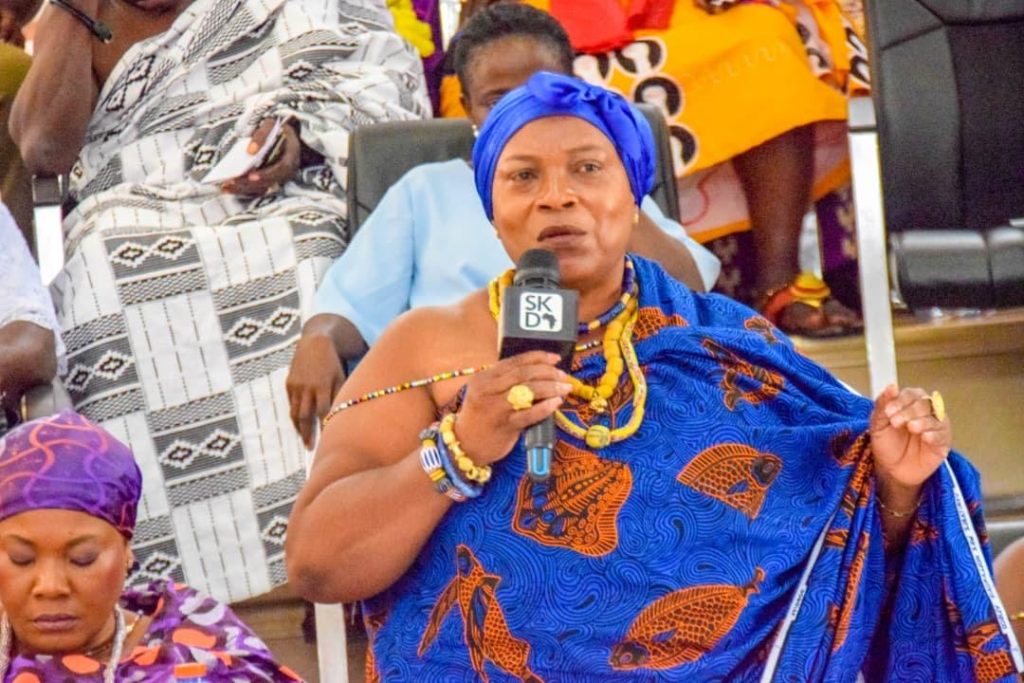
“This gesture by President John Dramani Mahama shows an appreciation of the challenges faced by traditional leaders and values the contribution of traditional rulers, especially queen-mothers, who work tirelessly in areas such as education, health, child welfare and community cohesion,” Nana Dokua III said.
She emphasised that queen-mothers serve as custodians of culture and community advocates, adding that their work often includes mediating family disputes, supporting vulnerable groups and complementing the responsibilities of local government authorities.
She noted that the increment would improve the capacity of chiefs and queen-mothers to discharge their duties more effectively, particularly in rural and underserved communities, where traditional leaders remain the first point of contact for social interventions and conflict resolution.
She also welcomed wider policy initiatives aimed at strengthening Ghana’s chieftaincy institutions, describing them as essential to national stability and long-term development.
She said: “This is not just about money; it is about dignity and recognition,” she stressed. “When traditional leaders are empowered, communities are strengthened, and development efforts yield better results.”
Nana Dokua III urged successive governments to maintain and build on the initiative through sustained engagement with traditional authorities in policy formulation and development planning.
She reaffirmed the commitment of queen-mothers across the country to supporting national development efforts and promoting peace, unity and social progress at the grassroots level.
The increase in allowances has been widely welcomed by traditional leaders, who see the move as a positive step toward enhancing the welfare and relevance of Ghana’s chieftaincy institution within modern governance structures.
GNA
Edited D I Laary/ Benjamin Mensah