By Eunice Hilda A. Mensah
Accra, Jan. 30, GNA – Mr Mohammed Awal Alhassan, Executive Director of the Northern Sector Action on Awareness Centre (NORSAAC), has called for Ghana’s educational system to move beyond being merely gender-sensitive to becoming fully gender-responsive or gender-transformative to ensure equity and inclusion at all levels.
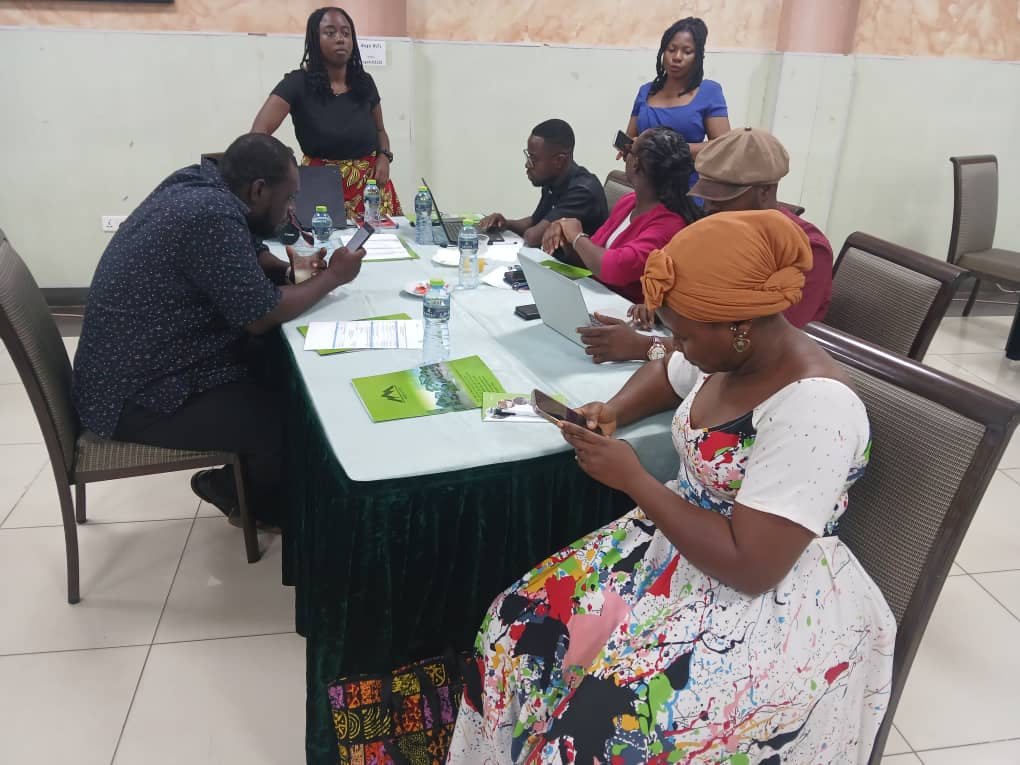
Speaking at a stakeholder review meeting on a draft gender-responsive education training manual in Accra, Mr Alhassan noted that despite policies and curriculum reforms, gaps remained in teaching materials and classroom practices that continued to reinforce stereotypes and marginalise girls.
“The current system is often gender-neutral or even gender-negative, undermining efforts toward achieving equality,” he said. “A gender-responsive system challenges harmful norms and ensures that all teaching materials, interactions, and learning environments promote equal participation and opportunities for every learner.”
He highlighted that textbooks and learning resources still contained stereotypical examples, such as “Ama is a nurse” and “Emmanuel is a doctor,” which limit girls’ aspirations. Educators, he said, must be supported to unlearn unconscious biases in classroom language and teaching approaches.
“The pronouns we use or the examples we give subtly shape who is expected to take up certain roles,” he explained.
Mr Alhassan welcomed contributions from participants and pledged continued engagement with state institutions to ensure the manual is officially validated and integrated into the education system. He stressed the importance of sustained commitment, adding, “We must stay committed to creating a system that works for all children.”
The engagement, convened by NORSAAC in partnership with Oxfam, included representatives from the Ghana Education Service, National Council for Curriculum and Assessment, the Girl-Child Education Unit, and other education-focused institutions. The draft manual will undergo further technical scrutiny before final approval.
GNA
Edited by Audrey Dekalu