By Eunice Hilda A. Mensah
Accra, Dec.08, GNA – Artaldus Sung Kuuntanaa, a 14-year-old Child Sanitation Diplomat, from the Accra College of Education Demonstration School, has called on all children to be ambassadors of good sanitation, cleanliness and change in their schools and communities.
“As the Sixth Child Sanitation Diplomat, I call on all children to rise as ambassadors of cleanliness and change. Let us keep our surroundings tidy, practise good hygiene, and educate our friends and families. We may be young, but our voices are powerful, and our actions can inspire others.
“When children are constantly sick, our dreams are delayed. Poor sanitation steals our classroom time, our confidence, and sometimes even our lives. It is heartbreaking that something as basic as a clean toilet and safe water can determine whether a child succeeds or struggles in school and in future life,” he added.
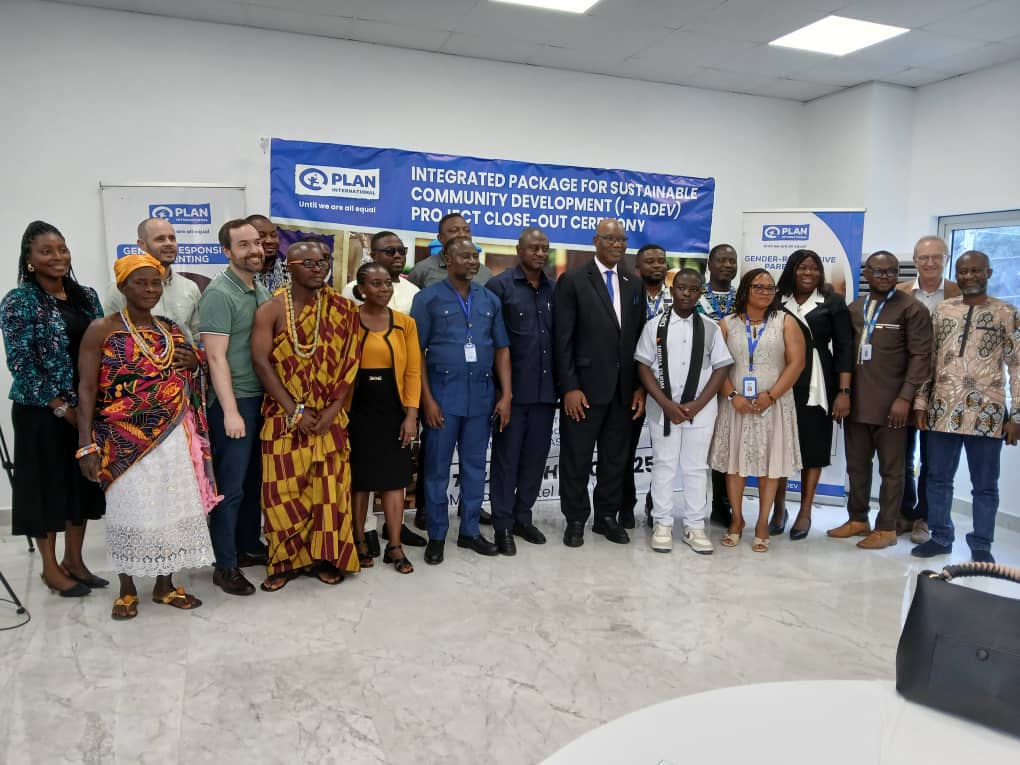
Mr Kuuntanaa made the call at the close-out of Plan International Ghana’s “Integrated Package for Sustainable Community Development (I-PADEV)” Project in Accra.
The project created a resilient and protective environment at home and school for better health and learning outcomes for children, especially for girls, through equitable access to and effective utilisation of water, sanitation and hygiene (WASH), early childhood care and development, education, health facilities and services.
The three-year project, which ended in December 2025, targeted 20 communities in the West Mamprusi and Jasikan municipalities in the North East and Oti regions respectively.
He said for many children in Ghana, sanitation was not a distant policy issue; but a daily struggle, as children were forced to live and learn in environments without proper toilets, safe water, or facilities to wash their hands in many schools and communities.
“I dream of a Ghana where no child falls sick because of poor sanitation and contaminated water; where every school has safe toilets; where girls and boys study without fear or shame; and where communities live in dignity and cleanliness. That dream is possible if we all work well together,” he added.
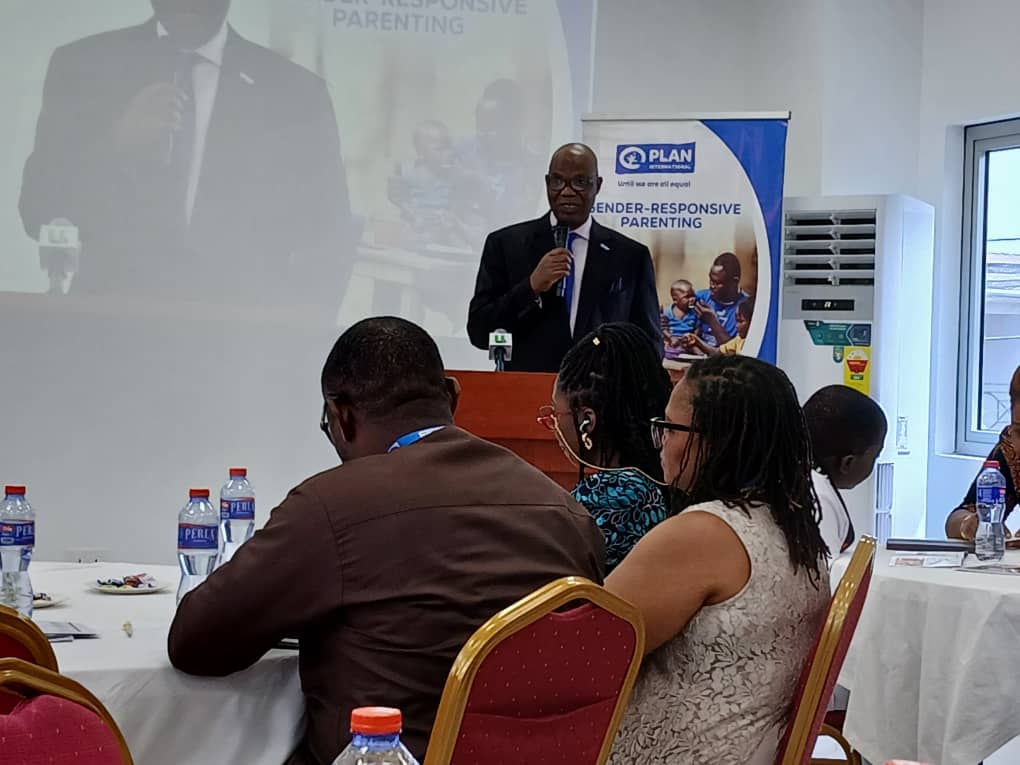
Mr Constant Tchona, the Country Director, Plan International Ghana, said his office believed that access to improved water, sanitation, and hygiene services was essential for the empowerment of girls and women.
He explained that these services would help to enhance their dignity and strengthen their position within the community.
“As we all know, it is often girls and women who bear the heaviest burden when WASH facilities are inadequate or inaccessible.
He said available data indicated that only 25 per cent of Ghanaians had access to basic sanitation, while about 56 per cent relied on shared latrines; one per cent used unimproved facilities, and 18 per cent practiced open defecation.
Consequently, three in every four households were at risk of consuming water contaminated with traces of faecal matter, largely due to poor sanitation and hygiene practices (ref. MSWR, March 2023).
Mr Tchona also noted that further evidence showed that nearly 90 per cent of those practising open defecation belonged to the poorest households.
“It is deeply regrettable that, as of the end of 2019, at least 20 people were dying each day from preventable water-, sanitation-, and hygiene-related diseases, with the northern regions of the country being the worst affected (ref. UN Ghana WASH Support Programme, March 2023),” he added.
He said the project provided access to improved household sanitation, safe drinking water facilities for communities, latrines in schools within 20 communities with changing areas for girls, hand washing facilities, reusable sanitary pads, the establishment of local spare-part supply systems to repair broken handpumps and the establishment of the real fathers’ club to encourage men to take more active and supportive roles in domestic life.
Togbui Azameti II, of Ketsi Nkwanta-Nsui-Buem, Oti Region, commended Plan International Ghana for moving a significant number of communities in the region from fetching water from streams and rivers to mechanised boreholes.
“The water is helping so we hope cholera and diarrhea wouldn’t be a problem to us anymore,” he added.
He said for open defecation, it had stopped, due to the construction of latrines from the project, adding: “So now, as you are coming to the community, you will not have an eyesore. You will have a living breath.”
Togbui Azameti II said the traditional authority in the beneficiary communities would ensure it protected and preserved the facilities they were given.
“We also promise Plan that these things won’t be white elephant in the communities. We will make sure they are maintained,” he said.
GNA
Edited by Christabel Addo