Accra, May 16, GNA – A looming water crisis is threatening the Ho Municipality and surrounding districts in the Volta Region after Ghana Water Limited (GWL) temporarily shut down operations at the Kpeve Water Treatment Plant.
The closure is over extreme turbidity levels in the raw water source.
The worsening environmental degradation around the facility has also made water treatment technically unsafe and operationally impossible.
This, the company says, has raised fears of recurring shortages if urgent measures are not taken to protect the plant’s intake area and buffer zone from further encroachment and siltation.
The shutdown, caused by severe siltation and pollution of the plant’s raw water source, has renewed concerns over encroachment and construction activities within the protected buffer zone surrounding the intake point.
Residents across Ho, South Dayi, Afadzato South and adjoining communities now face the threat of recurring water shortages as the company warns that the situation could deteriorate, if urgent action was not taken to protect the water source.
Management of GWL described the current situation as alarming, noting that raw water entering the treatment facility had become excessively muddy and unsafe for treatment due to extremely high turbidity levels caused by heavy rains and ongoing land disturbances around the intake area.
“The current turbidity levels have exceeded the acceptable operational threshold required for safe and effective water treatment, thereby making continued production technically unsafe and operationally impossible,” the company said.
The crisis, according to GWL officials, was linked to activities of BSK City Developers, a private developer that has been at the centre of a longstanding dispute with Ghana Water Ltd over construction works near the Kpeve intake point.
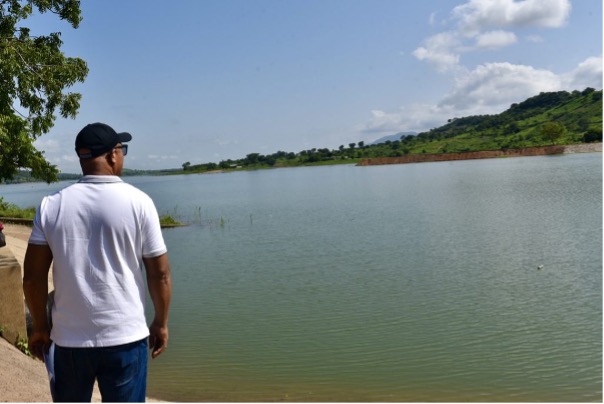
In October 2025, the Managing Director of Ghana Water Ltd, Mr Adam Mutawakilu, publicly raised concerns over the developer’s activities during an inspection visit to the area at Kpeve Tornu in the Afadzato South District.
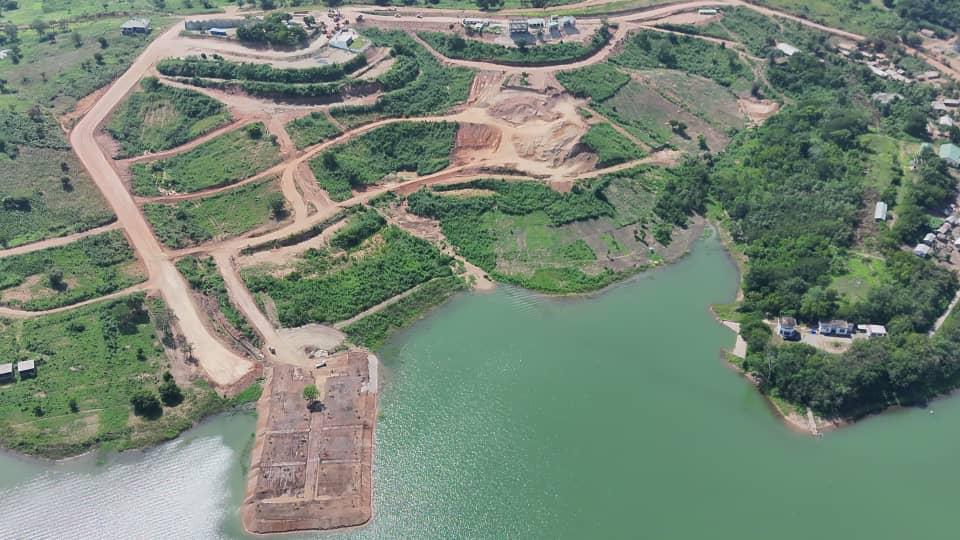
According to GWL, BSK City Developers allegedly continued construction activities despite directives from the Volta Regional Coordinating Council ordering a halt to all works within the protected buffer zone around the intake area.
Officials accused the developer of grading nearby hills, excavating large portions of land and dumping loose topsoil dangerously close to the water source, thereby exposing the area to severe erosion during rainfall.
With the natural vegetation removed, runoff water now carries huge volumes of sediment directly into the intake channel, resulting in massive siltation and muddy water conditions that exceed the plant’s treatment capacity.
GWL said what was currently happening confirms earlier warnings issued by management regarding the consequences of human activities near the intake point.
Management noted that during the rainy season, sediments, silt and pollutants from disturbed lands are washed directly into the raw water source, making water treatment almost impossible.
The company stressed that the dangers extend beyond rainfall alone.
It warned that recreational developments and human activities around the intake area could continuously compromise water quality through debris generation, waste disposal, land disturbance and pollution.
It is feared that debris from recreational activities, including plastics, food waste and other pollutants, could further contaminate the water body and worsen siltation levels over time, the company said.
The situation has heightened concerns over the destruction of critical water buffer zones, protected areas meant to shield water sources from pollution and environmental degradation.
Buffer zones are essential for protecting raw water quality because vegetation around water bodies naturally filters runoff, controls erosion and prevents sediments from entering rivers and reservoirs.
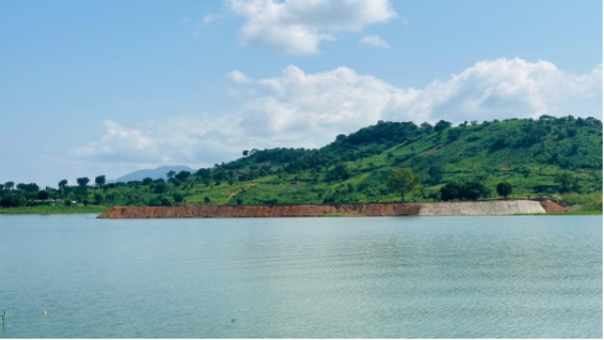
However, increasing human encroachment around the Kpeve intake point appears to have significantly weakened those natural protections.
GWL said the current shutdown clearly demonstrates the dangers associated with activities around critical national water infrastructure.
“The situation clearly demonstrates the dangers associated with encroachment and environmentally harmful activities around critical water infrastructure,” Mr Adam Mutawakilu said in a media interview in October, 2025.
The Kpeve Water Treatment Plant plays a critical role in supplying potable water to thousands of residents in the Volta Region, with an installed production capacity of 18,181 cubic metres per day.
The repeated shutdowns will disrupt water supply to homes, schools and health facilities, and place enormous pressure on the company’s infrastructure and finances.
He cautioned that if encroachment around the intake area continued unchecked, the company could eventually be forced to suspend water production for longer periods during the rainy season.
Beyond the immediate operational challenges, the crisis is increasingly being viewed as a looming water security threat for the Volta Region.
The Company said failure to protect the Kpeve water source could create long-term environmental damage with devastating consequences for public health and economic activities.
The situation has triggered renewed calls for urgent intervention by traditional authorities, political leaders, environmental regulators and the Ministry of Works, Housing and Water Resources.
The Company urged chiefs and opinion leaders in the area to help protect the water buffer zone from further encroachment.
It called on state institutions, including the Environmental Protection Agency, National Security and local assemblies, to enforce existing regulations and ensure that all harmful activities around the intake area are stopped immediately.
According to GWL, the current situation should serve as a wake-up call for authorities across the country about the growing threat such encroachment activities could pose to Ghana’s critical water sources.
Mr Stanley Martey, Chief Manager, Public Relations and Communication said in a statement that technical teams were monitoring the situation and operations would resume only after turbidity levels reduced to safe operational thresholds.
Meanwhile, consumers have been advised to use available water judiciously as uncertainty grows over how long the shutdown may last.
GNA
Edited by George-Ramsey Benamba
Reporter: James Amoh Junior – [email protected]