By Isaac Arkoh
Cape Coast, Dec. 12, GNA – The Cape Coast Local Accountability Network (LANet), under the Ghana Anti-Corruption Coalition (GACC), has intensified its anti-corruption campaigns in basic schools in the Cape Coast Metropolis.
The campaign formed part of the annual International Anti-Corruption Day celebration to rally support against corruption.
Marked on the theme: “Uniting with the youth against corruption, shaping tomorrow’s integrity,” the campaign called on Ghanaians to unite against corruption.
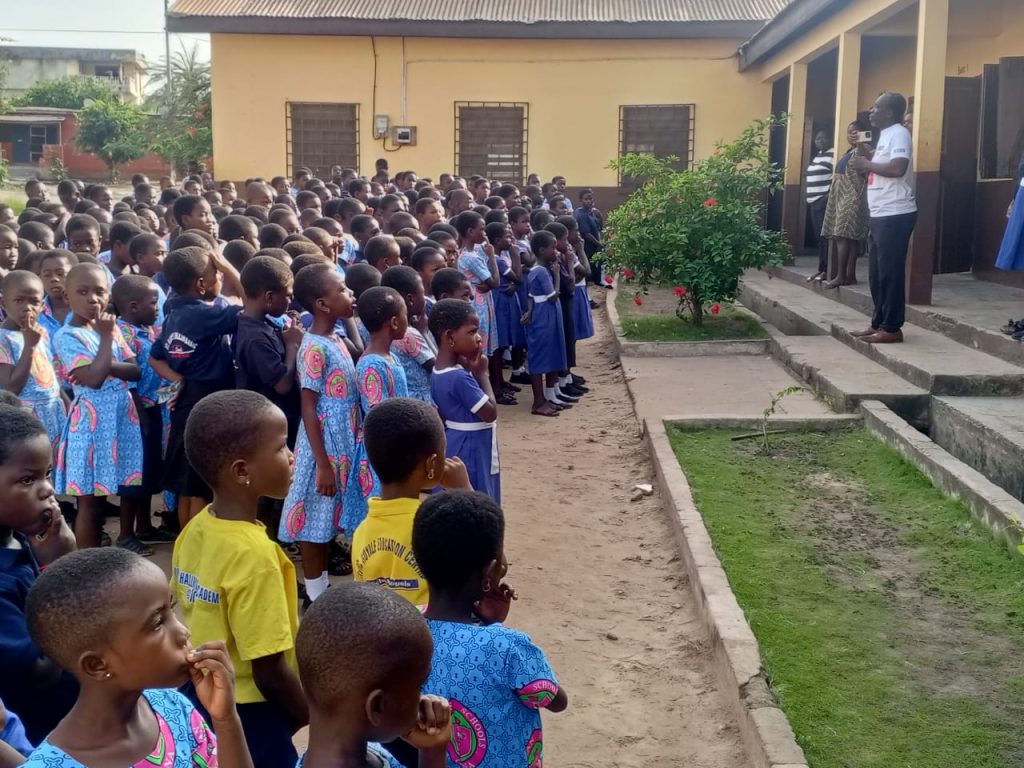
It emphasised the crucial role young people played in building a transparent and accountable nation by ensuring judicious use of national resources and poverty eradication.
Commencing the campaign at the Ayifua St Mary’s Anglican Basic School, Mr Saeed Wahab, the Secretary of the Cape Coast LANet, stated that corruption with its attendant harmful effects, felt most deeply by the youth, had weakened institutions, derailed development and diminished public trust.
He said corruption profoundly undermined the welfare of Ghanaian youth as essential public funds for critical sectors like education and healthcare were diverted, resulting in substandard schools, teacher absenteeism, illegal fees and diminished learning quality that left millions without viable skills for the future.
Mr Wahab noted that the results were rampant youth unemployment, as jobs and opportunities were often awarded through nepotism, bribery, or embezzlement, rather than merit, stifling entrepreneurship and economic mobility, while fuelling poverty and migration.
He said pervasive corruption eroded trust in institutions, normalised unethical behaviour from an early age and fostered political alienation among young people, constraining their dreams and hindering national development as billions were lost annually to graft.
Mr Wahab encouraged the youth to resist corruption by actively opposing corrupt acts, such as refusing bribes or unethical demands.
He also urged them to stand firm against pressures that could lead to corruption and to foster a culture of integrity through personal choices.
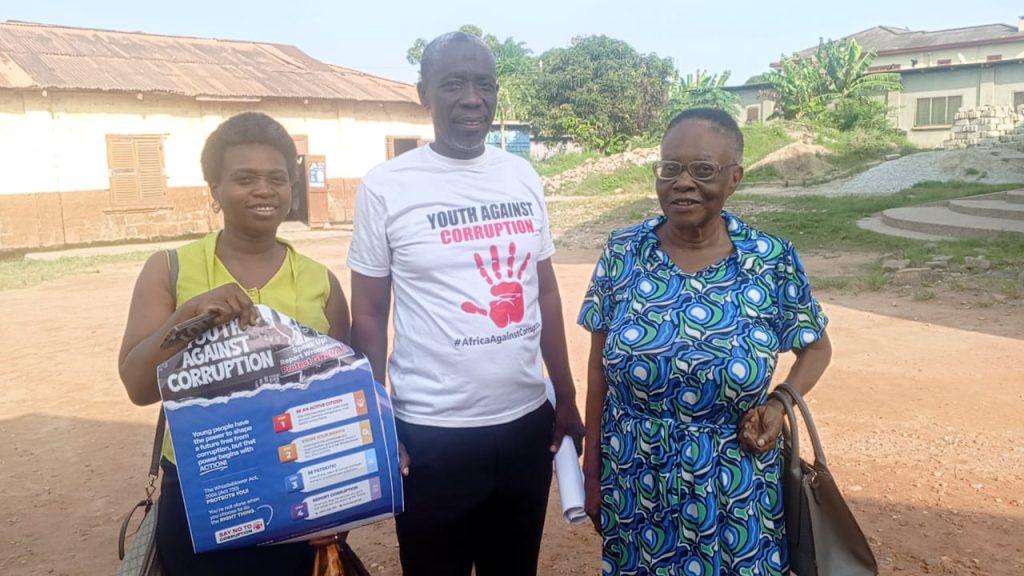
He asked the youth to reject corruption by denouncing and challenging it whenever they encountered it particularly in workplaces, schools, or communities.
Additionally, he charged them to report corrupt practices by informing anti-corruption agencies like the Office of the Special Prosecutor (OSP) or CHRAJ about suspected cases, often anonymously via digital platforms.
He noted that increased reporting would build accountability and support investigations, with the Ghana Anti-Corruption Coalition emphasising safe, home-based options to boost public trust.
Mrs Baaba Fleischer, the Focal Person for Cape Coast LANet, took the pupils through whistleblowing and explained that early detection of issues like fraud or corruption prevented escalation and reduced financial losses within organisations.
She said whistleblowing on corruption could stop misconduct and foster transparency and accountability, leading to more efficient operations and stronger compliance cultures in organisations.
After the programme, a student Ms Elizabeth Duncan told the Ghana News Agency that the talk was an eye opener that had built her confidence to speak up, to protect everyone from corruption in schools and communities.
She added that she could now report bullying or examination malpractices without fear, to help prevent bigger problems like those seen in public scandal.
Another student, Ms Comfort Mensah, expressed mixed feelings following the programme, saying that while whistleblowing sounded good for stopping wrongdoing, she was worried that backlash from friends or teachers was eminent if the identity of the blower was not well protected.
She noted that some students remained silent after encountering corrupt practices to avoid being labelled as snitches.
GNA
Edited by Alice Tettey/ Christabel Addo