By James Amoh Junior, GNA
Accra, Oct. 3, GNA – Madam Emelia Arthur, Minister for Fisheries and Aquaculture, says the sustainability of fisheries is no longer just a national concern but a global imperative, central to food security, economic prosperity, and regional peace.
She said the significance of fisheries extended far beyond its economic value, explaining that the sector was at the heart of Ghana’s culture and nutrition, and therefore any instability in its management risked undermining the wellbeing of millions of households.
The Minister noted that for coastal communities in particular, fish was not only food but also a way of life, and protecting the resource meant safeguarding national stability.
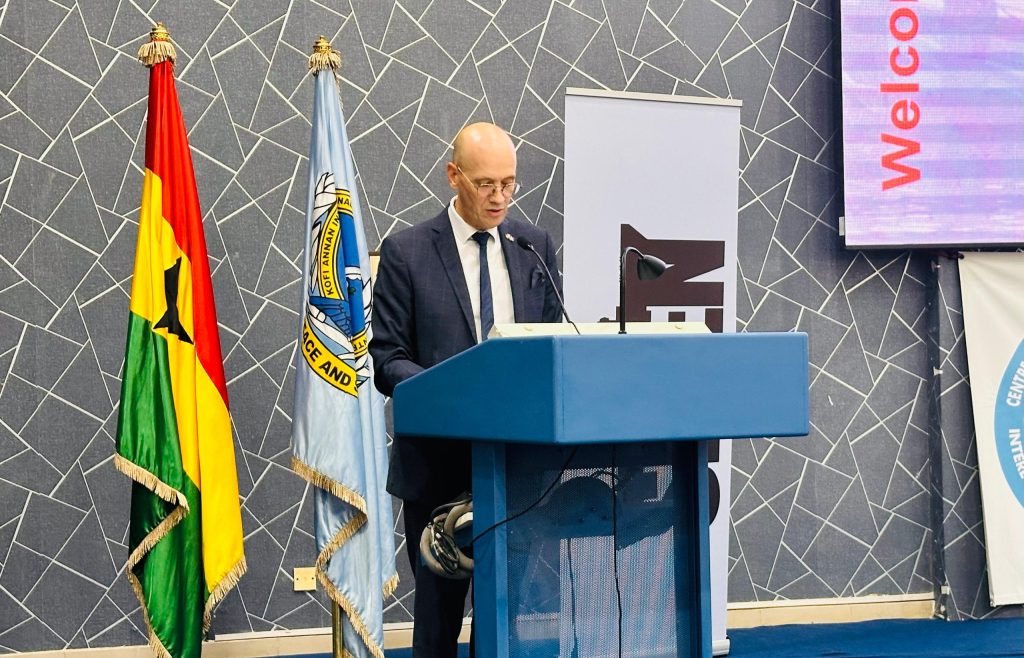
Madam Arthur was speaking at the opening of an International Conference on theme: “Fisheries and Stability: A Global Issue?” at the Kofi Annan International Peacekeeping Training Centre (KAIPTC) in Accra.
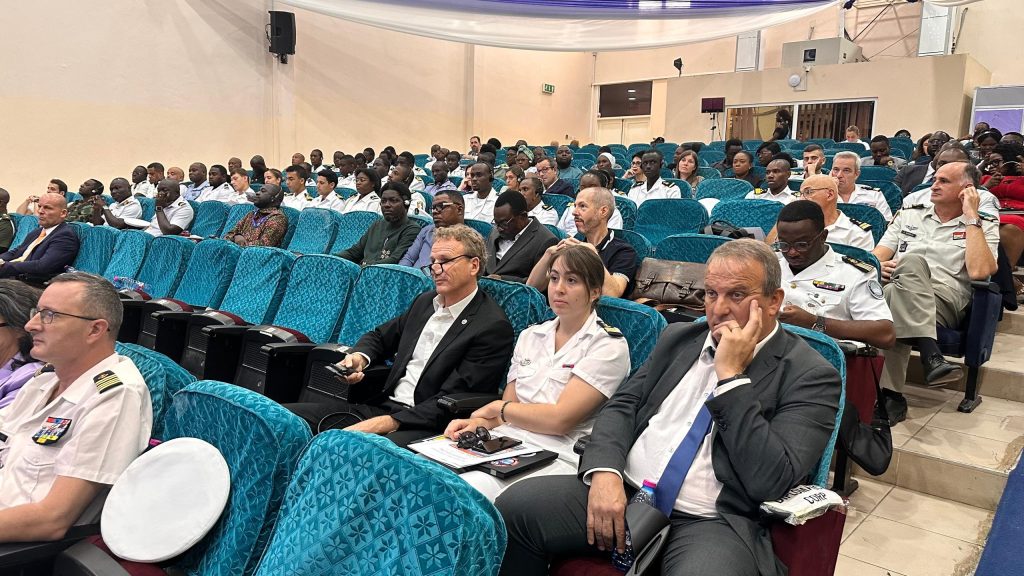
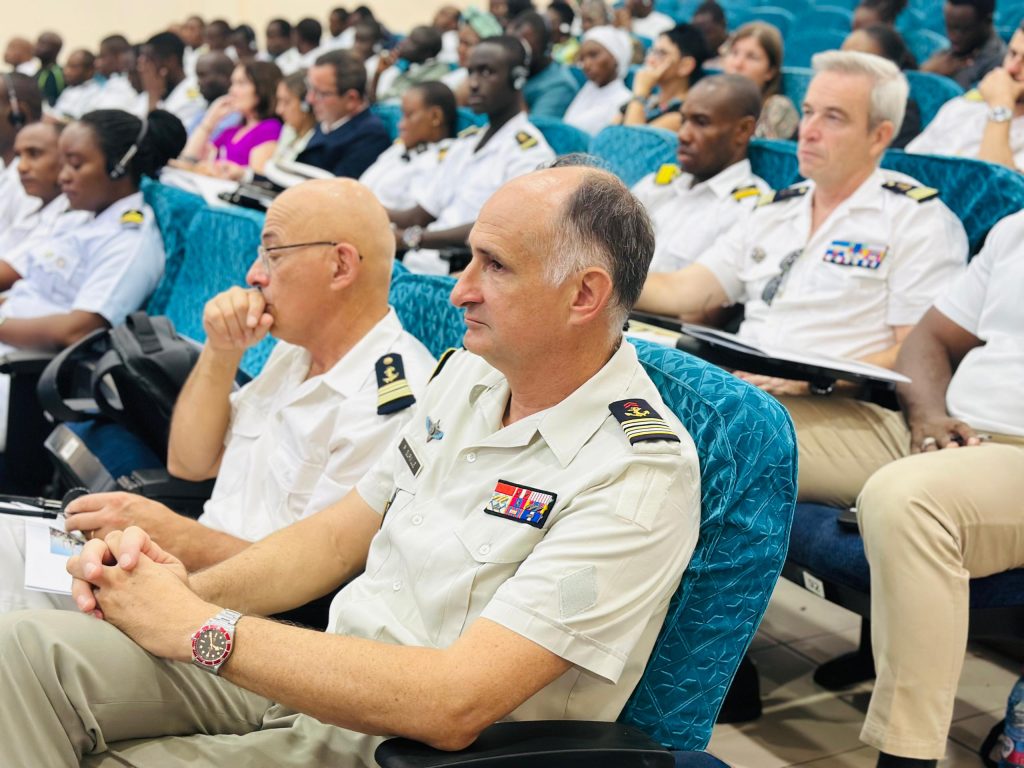
The conference, which brought together policymakers, security experts, scientists, industry actors, civil society and international partners, provided a platform to explore the nexus between fisheries governance, maritime security and regional stability.
The participants reflected on how to strengthen monitoring, control, and surveillance of fishing activities, promote transparency in the sector, and harness regional and global partnerships to safeguard marine resources.
Madam Arthur underscored the urgency of building stronger coalitions to address challenges confronting fisheries in Ghana, the Gulf of Guinea and beyond.
“Fisheries sustain the livelihoods of an estimated three million Ghanaians and account for more than 50 percent of animal protein intake in some coastal countries of West Africa. Yet, the sector is facing unprecedented pressures from overfishing, illegal, unreported and unregulated (IUU) fishing, and the growing impacts of climate change,” she said.
The Minister cited alarming statistics from the Food and Agriculture Organisation (FAO), which show that 35 percent of assessed fish stocks globally are overfished, compared to just 10 percent in 1974.
She warned that in West Africa, where IUU fishing accounted for 30 to 40 percent of total catches, the practice was inflicting annual economic losses of more than USD 2.3 billion, depriving governments of vital revenues and undermining livelihoods.
“These losses not only threaten food security but in some cases also fuel piracy and organised crime. Our ocean spaces and fishing vessels have become vulnerable to illegal transshipment, drug trafficking and even human trafficking. The stability of our fisheries is inseparable from the stability of our communities, and ultimately, the peace of the Gulf of Guinea,” she said.
Madam Arthur outlined bold steps taken by the government to safeguard fisheries, including the passage of the Fisheries and Aquaculture Act, 2025 (Act 1146), and the Fisheries (Port State Measures) Regulations, 2024 (L.I. 2490), both designed to promote sustainable practices and strengthen enforcement against IUU fishing.
Ghana, she said, had also ratified the World Trade Organisation’s Agreement on Fisheries Subsidies, committing to end harmful subsidies that fuel overcapacity and overfishing.
“Beyond legislation, our goal is voluntary compliance, where every fisher, whether artisanal or industrial, understands that their actions determine the future of our fisheries and our livelihoods. To achieve this, Ghana is exploring new technologies, such as installing electronic monitoring systems on all industrial trawl vessels and procuring patrol boats to enhance enforcement in collaboration with the Ghana Navy and Marine Police,” she added.
The Minister emphasised that regional and international cooperation remained essential and that “Only through solidarity and cooperation can we safeguard fisheries as a source of food, livelihoods and stability for future generations. Let us leave this conference with renewed commitment, stronger partnerships and a clear roadmap for protecting our marine resources.”
Mr. Rafaël PONT, Chargé d’Affaires at the French Embassy in Ghana, reiterated France’s commitment to supporting regional and global efforts aimed at safeguarding marine resources.
He said fisheries had become a critical development and security issue requiring joint action across borders.
“Fisheries are not just about food; they are about stability, livelihoods, and peace. France stands with Ghana and its partners in strengthening surveillance, promoting sustainable practices, and combating illegal fishing. Together, we must work for the prosperity and security of our people,” Mr. Pont said.
He further noted that France, through initiatives such as the SIREN Maritime Academy and cooperation with the Ghana Navy, had invested heavily in training, technology transfer and joint operations to protect marine ecosystems and secure the Gulf of Guinea.
According to him, these initiatives were part of France’s long-standing commitment to building resilience in West Africa by linking maritime security with sustainable economic growth.
Delivering remarks on behalf of the Commandant of KAIPTC, Air Commodore David Anetey Akrong, the Deputy Commandant, Brigadier General Zibrim Bawah Ayorrogo, highlighted the intrinsic link between fisheries, security and development, “Fisheries are not only a source of food and livelihoods; they are essential to peace and stability. Yet, they face growing threats from illegal practices, climate change and unsustainable exploitation.
The conference, he stated offered participants the opportunity as security actors, policymakers, and researchers to reflect on these challenges and seek cooperative solutions.
He expressed KAIPTC’s appreciation to the French Embassy in Ghana and the French Navy for their decisive role in supporting the organisation of the conference under the SIREN Embedded Academy initiative, noting that international cooperation was critical to strengthening regional security.
GNA
Edited by Christian Akorlie