By James Amoh Junior, GNA
Accra, Aug. 18, GNA – Mr. Park Kyongsig, the Korean Ambassador to Ghana, has underscored the central role of culture in deepening relations between Ghana and Korea, stressing that cultural exchange is as vital as cooperation in education, technology, and agriculture.
He said while Korea had over the years focused its development assistance to Ghana on infrastructure and technical support, more attention must now be given to culture, which he described as the “pillar that connects minds and hearts.”
Mr. Park was speaking at the staging of Sim Majorley, a Ghanaian adaptation of the classic Korean folktale The Story of Sim Cheong, produced by Ghanaian playwright Latif Abubakar in collaboration with the Korean Embassy on Aug. 2, 2025.
Ambassador Park said, “Through performances like this, we can understand each other more deeply and enhance the friendship and love between our peoples,” he said.
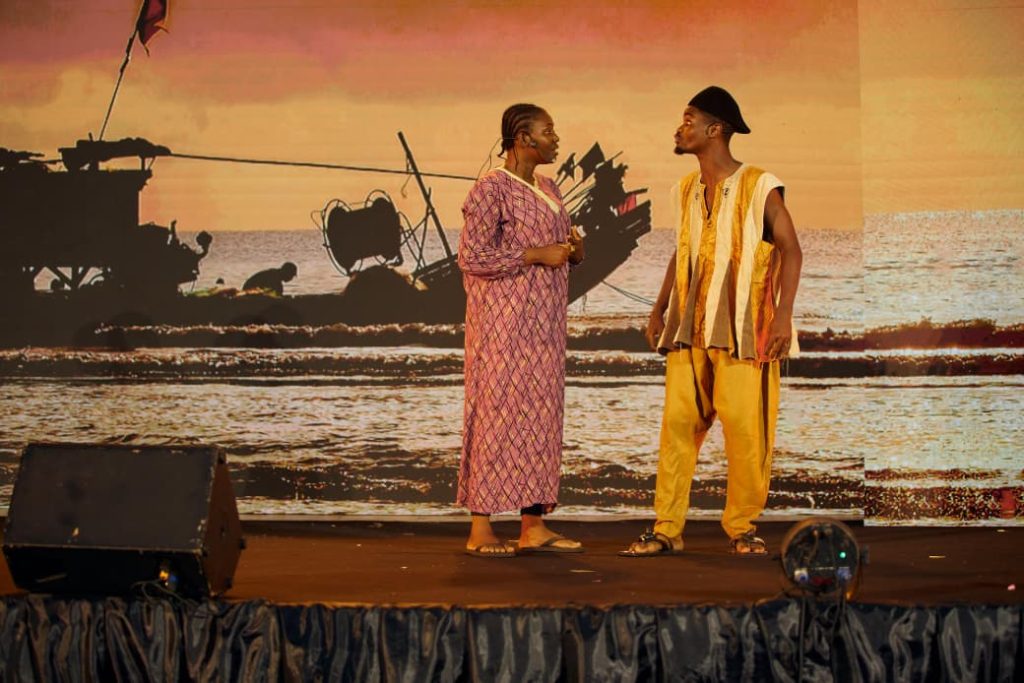
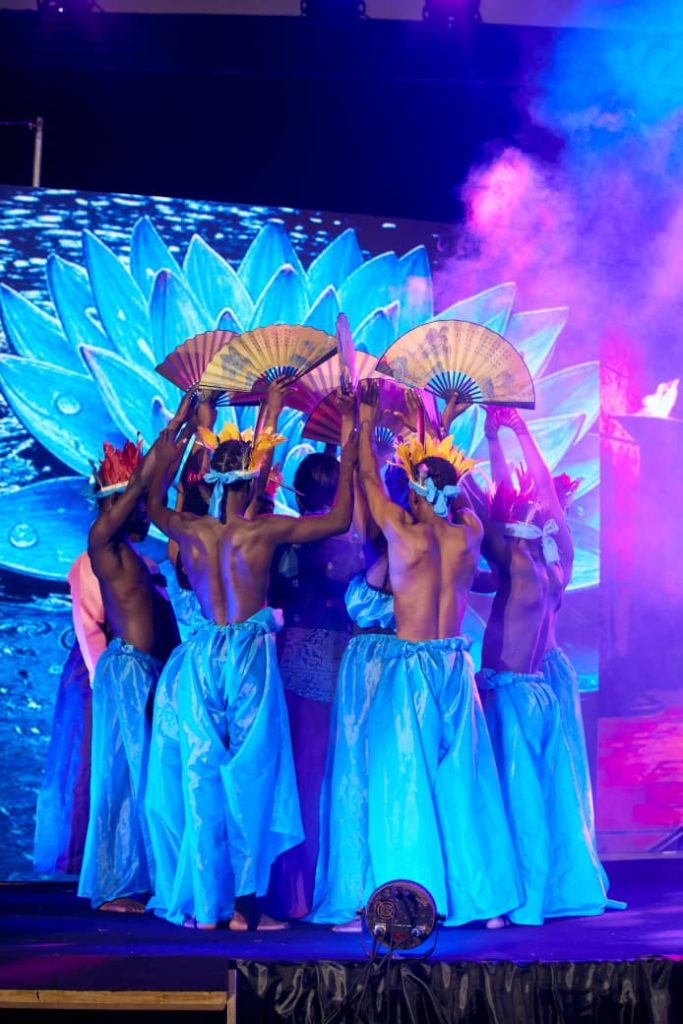
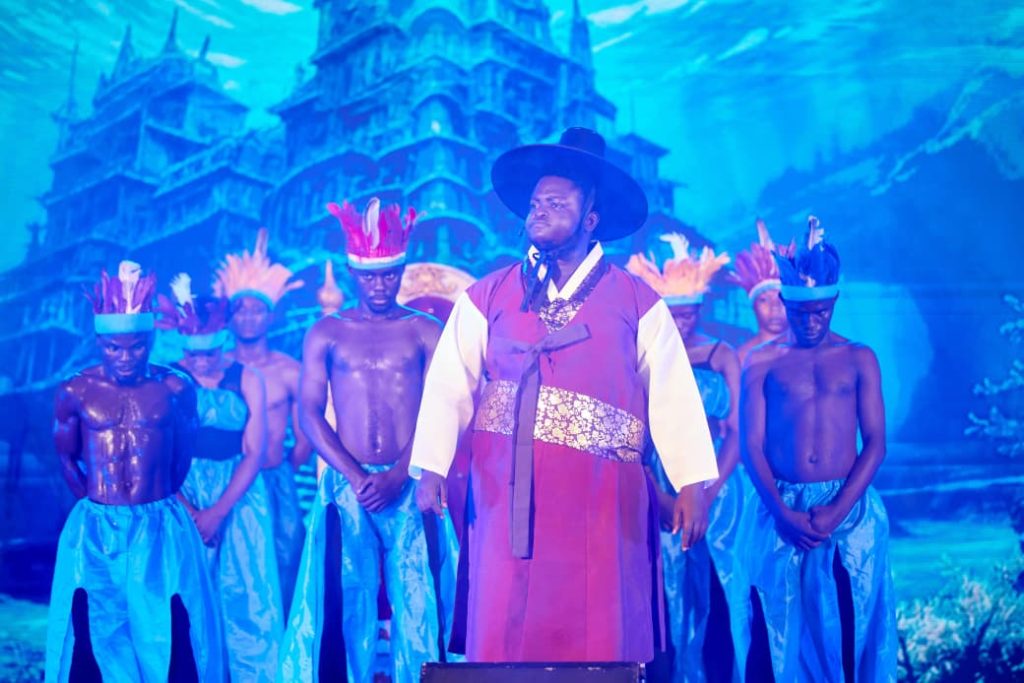
The play, at the Korea sports Complex in Tema, reimagines the Korean tale in the rich cultural setting of Ga Mashie, blending Ghanaian music, dance, humour and drama.
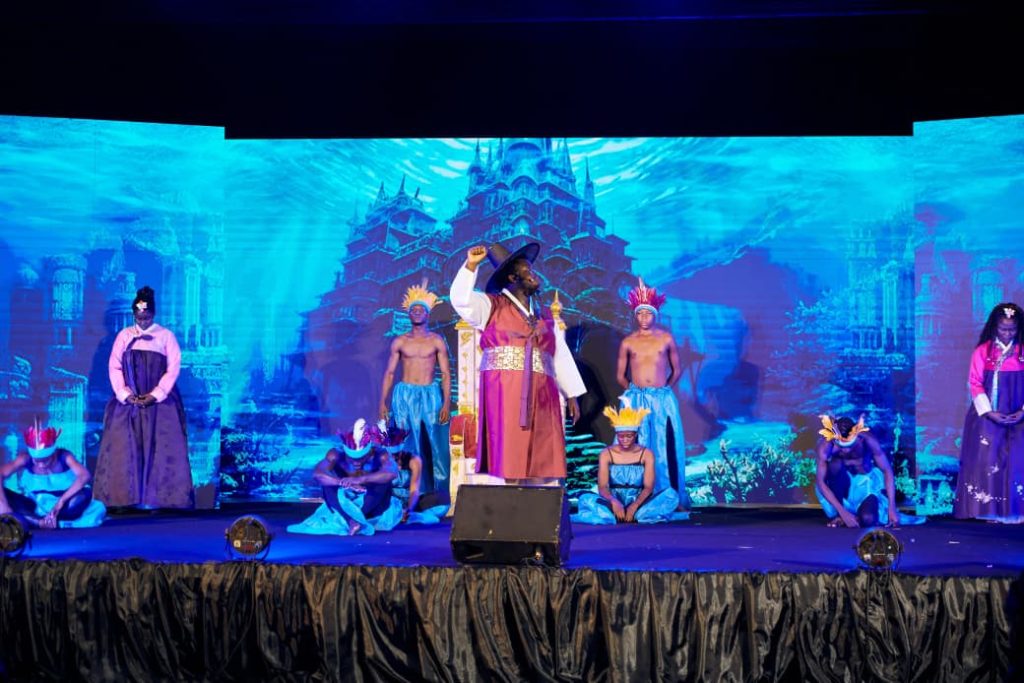
The production, a partnership between the Korea Embassy in Ghana and Latif Abubakar’s Globe Productions Limited, is an adaptation of the famous classical Korean novel Simcheongjeon, or The Story of Sim Cheong.
Fused with contemporary traditional music, suspense, and characterized by colourful Korean costumes and the coastal ways of the Ga people, the play tells the story of Sim Majorley, a devoted daughter whose blind father is her world.
Struggling with poverty but rich in love, the plot reveals how Majorley makes the ultimate sacrifice by offering herself to the sea gods in hopes of restoring her father’s sight.
After spending three years in the sea world, the Emperor of the sea world releases Majorley to go back to earth and find a suitable partner for herself.
The Ambassador said the production was a testament to how arts could build bridges between nations and strengthen people-to-people ties.
“We provide many development assistance projects to Ghana, usually concentrated on education, technology and agriculture. But culture is another very important pillar in cooperation and in understanding people-to-people relations. Money cannot buy the mind and heart of the people, it is culture that connects us,” he explained.
He observed that the global popularity of Korean culture, often referred to as the Korean Wave, had also swept through Ghana, especially among young people who consume Korean dramas, films, music, and dance.
Through culture, Ghanaians can deeply understand Korea, and Koreans too can learn about Ghana. This is why cultural projects must be encouraged and even extended into the private sector,” he added.
The play Sim Majorley tells the story of a young Ga woman, Majorley, who sacrifices herself to the sea gods in hopes of restoring her blind father’s sight.
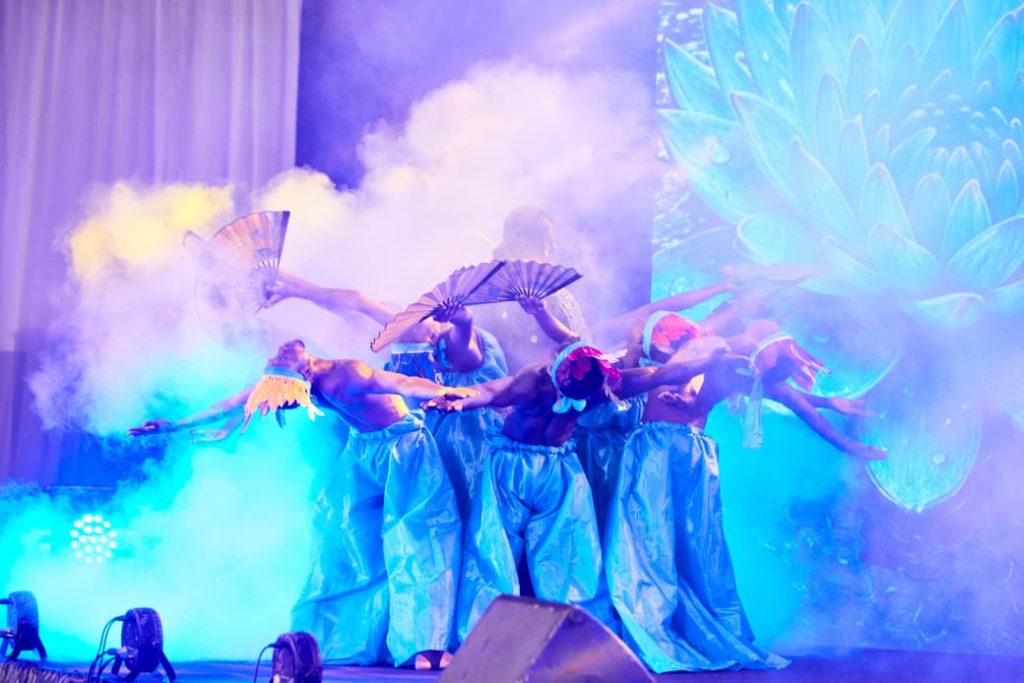
It mirrors the values of sacrifice, love, and hope captured in the original Korean folktale, but presented in a Ghanaian setting.
Mr. Abubakar, speaking on his inspiration, said storytelling remained one of the most powerful ways to connect across cultures.
“Sim Majorley is a beautiful reminder that love, sacrifice, and hope are universal, whether told in Korean, Ga, or any other language,” he noted, adding that the play represented a journey of cultural exchange and artistic growth.
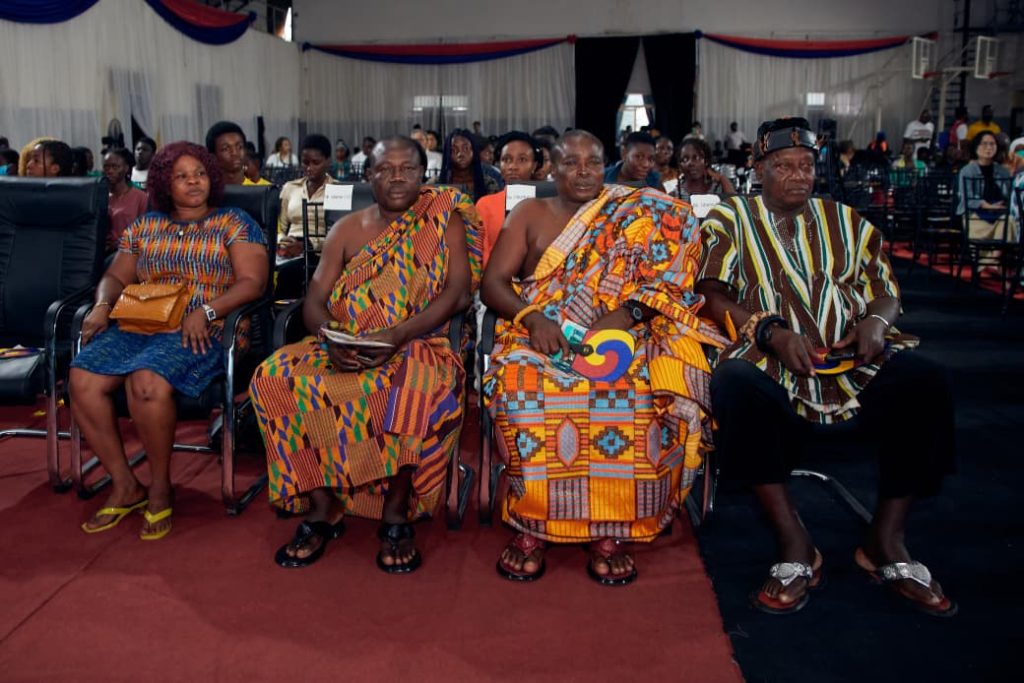
The event was also attended by Ghana’s Minister of Tourism, Culture and Creative Arts, Ms. Dzifa Abla Gomashie, who commended the collaboration as a shining example of cultural diplomacy.
She said theatre provided a powerful platform to learn about other cultures and to transmit values that resonate across societies.
“This play teaches us about sacrifice, giving of self, and looking out for one another, values that are central to Christianity, African culture, and indeed Ghanaian theatre,” she remarked.
She said, “Our theatre does not separate music, dance and drama; they come together to create a holistic experience. That is the authenticity we saw tonight, and it shows that tradition is alive.”
The tourism minister praised the young performers and encouraged greater investment in the creative sector, noting that President John Dramani Mahama’s vision was to promote Ghana’s culture and arts as a key driver of tourism.
Madam Gomashie also revealed that the Ministry was working to revive community theatre projects across the regions, while encouraging young people to venture into theatre, stage design, costume, sound and related value chains.
GNA
Edited by Christian Akorlie