By Christiana Afua Nyarko, GNA
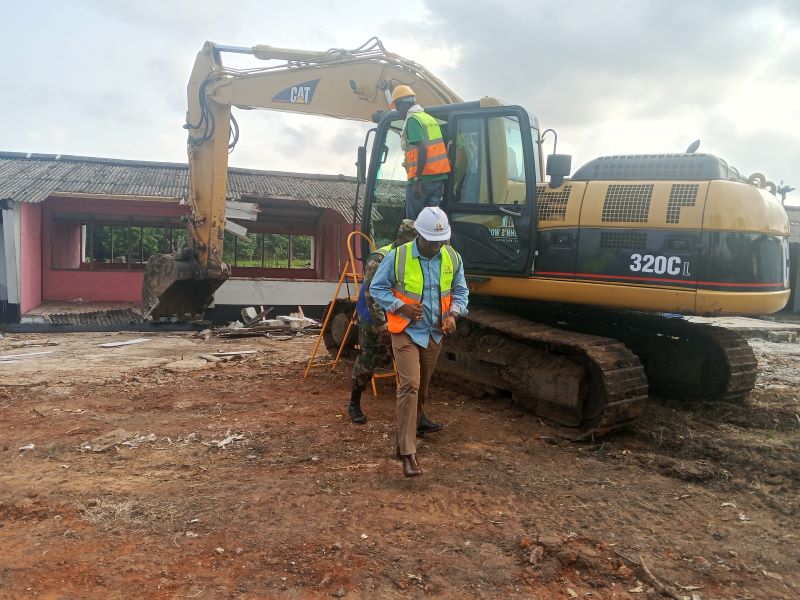
Accra, July 11, GNA – The Ghana Armed Forces (GAF) has launched the Burma Camp Redevelopment Project to replace ageing colonial-era infrastructure with modern facilities to improve personnel welfare and operational readiness.
The flagship initiative forms part of Government’s broader agenda to modernise defence infrastructure, improve accommodation for military personnel and strengthen the operational effectiveness of the Armed Forces through public-private partnerships.
Mr Ernest Brogya Genfi, Deputy Minister for Defence, launched the project in Accra and said the initiative was not merely about constructing buildings but restoring dignity to military personnel and their families.
“Today we are not only breaking ground on buildings; we are breaking ground on hope, dignity and a better future for every soldier, every officer and every military family,” he said.
Mr Genfi said many military families continued to occupy residential buildings that had exceeded their intended lifespan despite the vital role personnel played in safeguarding national security.
He said Government remained committed to addressing accommodation challenges within the Armed Forces through the Burma Camp Redevelopment Project, the ongoing 10,000 Housing Units Programme and other infrastructure initiatives under the “Resetting Ghana Agenda.”
“As our Armed Forces shoulder greater responsibilities, from maritime security to counter-terrorism preparedness, quality accommodation has become more urgent than ever,” he said.
Mr Genfi announced that Government had inaugurated a committee to develop a Ghana Armed Forces Home Ownership Policy and Scheme to provide personnel with realistic pathways to home ownership before retirement.
He commended the Chief of the Defence Staff and the Military High Command for championing the redevelopment initiative and appealed to corporate organisations, financial institutions, philanthropists and development partners to support the project.
The Deputy Minister also announced that the Ghana Revenue Authority had granted tax-deductible status for eligible contributions towards the project to encourage greater private sector participation.
Major General Glover Ashong Annan, General Officer Commanding Support Service Brigade, said much of Burma Camp’s residential and support infrastructure dated back to the colonial era and no longer met the requirements of a modern professional military.
He said the redevelopment project would replace obsolete structures with durable, sustainable and modern facilities to improve personnel welfare, productivity and family well-being.
“The project underscores the commitment of Government and the Military High Command to improve the welfare of personnel and create a conducive environment for effective service delivery,” he said.
Brigadier General George Oppong, an overseer of the project, said the initiative had received significant support from corporate organisations, institutions, philanthropists and patriotic individuals.
He said 66 companies, organisations and individuals had pledged approximately GH¢196 million in cash, building materials, logistics and technical support towards the project.
Brig. Gen. Oppong said many sponsors had fulfilled their pledges, enabling contractors to mobilise to site and commence work.
He assured donors that all financial and material contributions would be managed transparently and used solely for the intended purpose.
Brig. Gen. Oppong appealed to corporate bodies and individuals to provide additional support to accelerate implementation of the remaining phases of the redevelopment programme.
The initial phase of the project includes the redevelopment of the Ghana Armed Forces Post Office into a modern multi-purpose facility comprising banking and customer service halls, offices, commercial spaces, residential accommodation and supporting infrastructure.
The launch was attended by senior military officers, government officials, representatives of corporate organisations, development partners and other stakeholders.
GNA
Edited by Kenneth Sackey