By Florence Afriyie Mensah
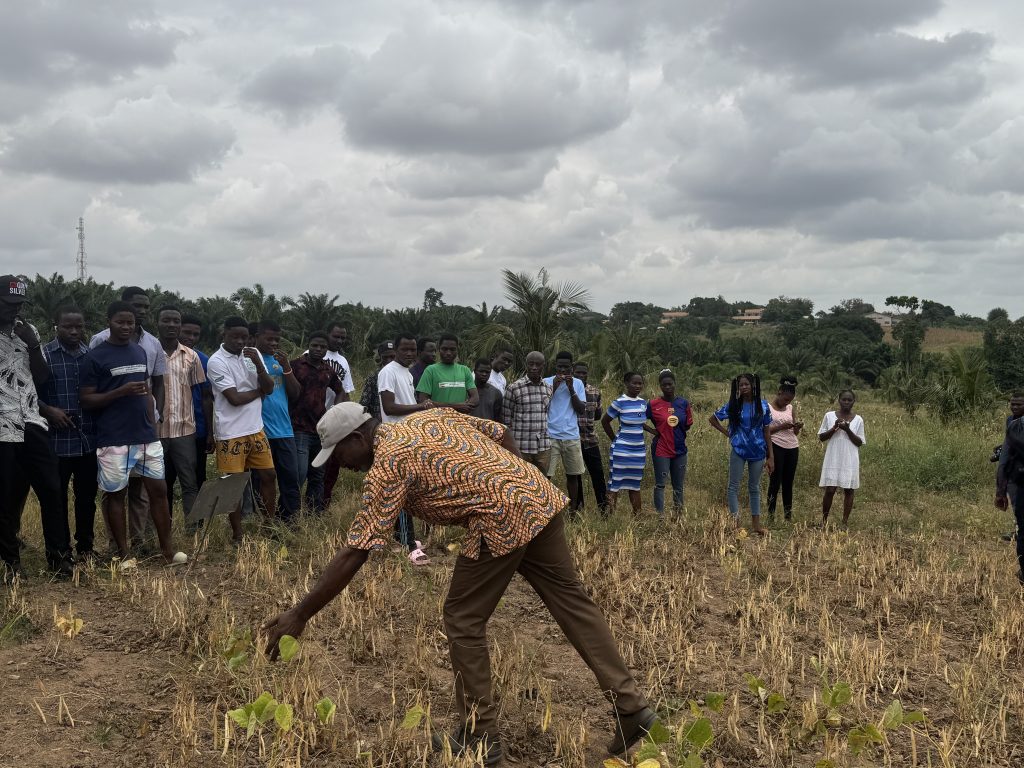
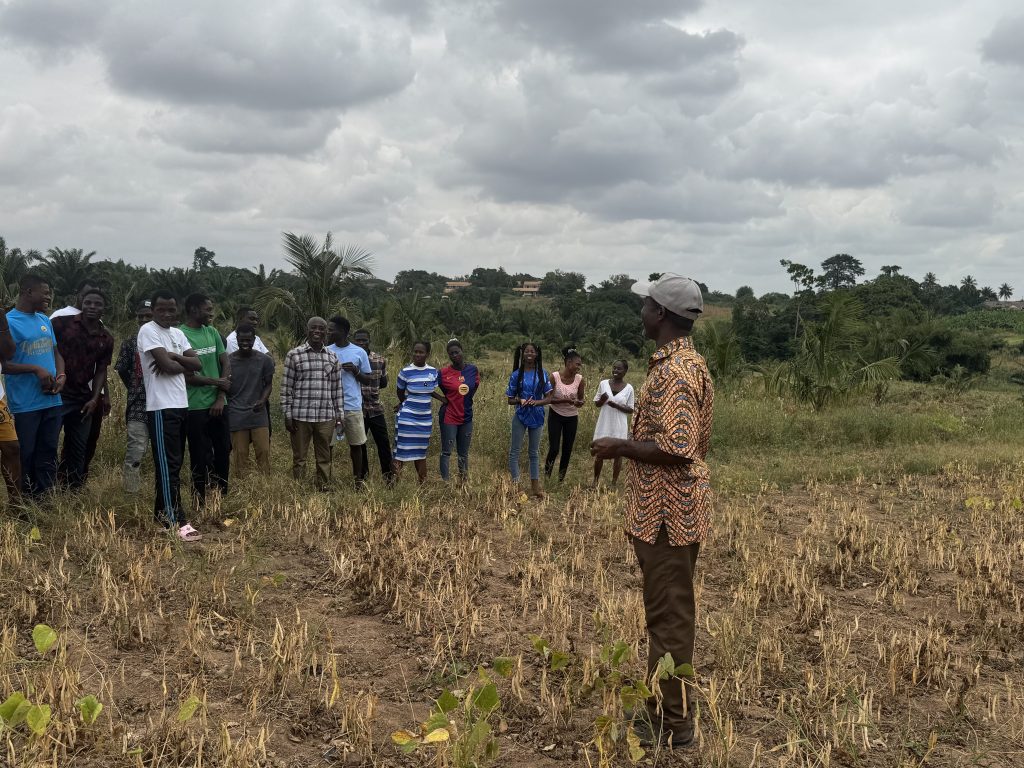
Kwadaso (Ash), July 29, GNA – Researchers at the Crops Research Institute of the Council Scientific and Industrial Research (CSIR-CRI) have provided practical training and guidance for producing common bean seeds to students of the Kwadaso Agricultural College.
The objective was to equip the students with skills and knowledge of the necessary production steps, while encouraging some of them to specialize in growing the seeds, trade in the grain or process them for sale after school.
The Common Bean, scientifically known as Phaseolus vulgaris, is among the major industrial and food crops grown worldwide for its main iron and zinc nutrients, as well as protein, calories, vitamins and minerals.
The Common Bean is one of the cash crops for Eastern and Southern African countries.
For countries in West Africa, Ghana and Cameroon are the main producers, and for economic purposes, farmers into common bean production accrue huge profits.
Dr Emmanuel Asamoah Adjei, a Seed Scientist from CSIR-CRI, speaking during the exercise, said market for common bean in Ghana was growing fast through importation, where the country spent millions of dollars in importation.
He was optimistic that, with the introduction and production of the bean in Ghana, it would save the country a lot and reduce the import bill.
According to him, the CRI had already released four (4) varieties of the beans which were high in iron, early maturing, high yielding and suitable for all ecological zones in Ghana.
Although varieties such as Ennepa, Semanhyia, Nsroma and Adoye were not common on the markets, the Research Institute had processed some into soy milk, canned beans, and a few vendors are using them to prepare the popular Gobeh or Red Red.
He added that with these already in place, the research institute would soon release new common bean varieties that had up to 90 percent iron and could also withstand drought and heat.
The CSIR-CRI have initiated the “Developing and Deploying Drought Tolerant High Iron Bean Varieties that fit the Legume-Rice Crop Rotation in Ghana” Project, a two-year programme promoting sustainable farming through development and dissemination of rice-bean cropping systems.
Dr Adjei enlightened students on land selection for common beanss (plant on flat loamy-sandy land), get viable seeds for planting, and also apply urea or poultry manure after 14 days of planting.
Mr Albert Appiah Amoako, Principal of the Kwadaso Agricultural College, commended the CRI for collaborating with the institution to create economic pathways for students in bean production.
GNA
Edited by Kwabia Owusu-Mensah/Benjamin Mensah