Edward Acquah
Accra, June 16, GNA – A public education campaign dubbed Clean Air Awareness Bus Education has been launched to raise awareness about air pollution and promote healthier environmental practices among commuters.
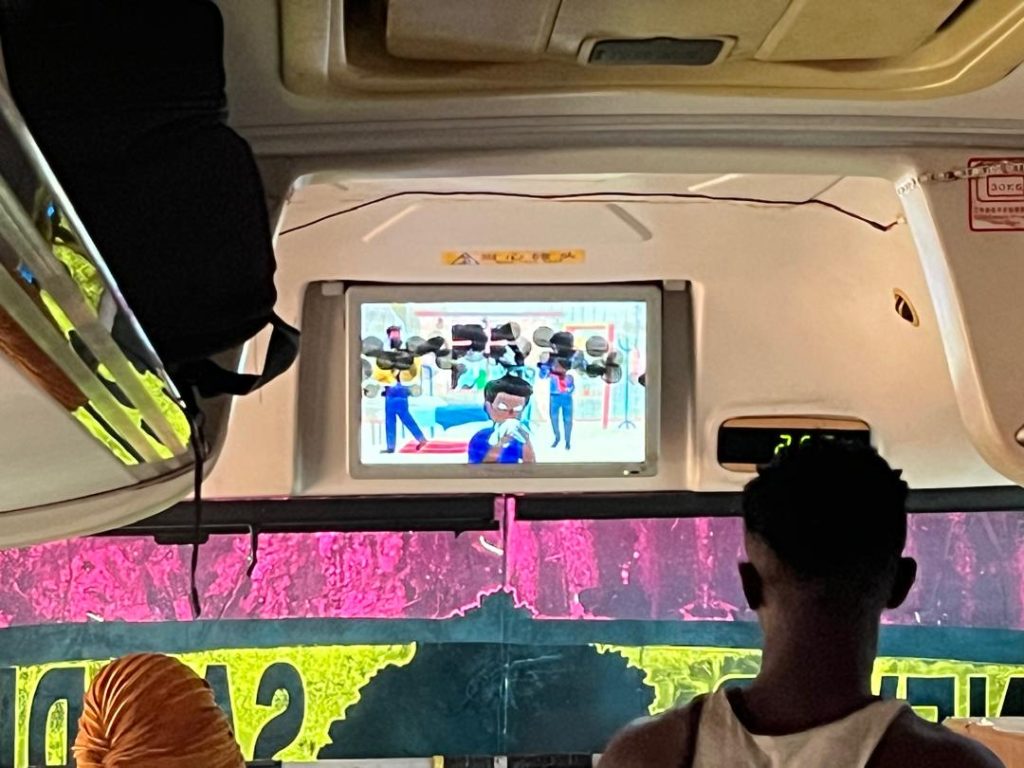
As part of the initiative, animated videos on clean air are being screened in all Royal VVIP Transport intercity buses.
The videos, designed to be informative and engaging, have been produced in eight local languages to ensure broad accessibility and impact.
The campaign aims to educate passengers on the causes and harmful effects of air pollution, particularly from vehicle emissions, open burning, and industrial activities, and to encourage behavioural changes that support cleaner air.
Mr Desmond Appiah, Country Lead of Clean Air Fund, who launched the initiative in Accra last weekend said the educational animations would be shown continuously on bus-mounted screens during journeys.
The Clean Air Bus Education campaign is an initiative by the Clean Air Fund, in collaboration with Mech Consult, Paje Multimedia, and transport operators.
Mr Appiah said air pollution had dire consequences on the populace, and emphasised that about 46 per cent of diseases in Ghana were linked to air pollution as the underlying cause, with women and children being the most vulnerable.
“We believe education is key. If every passenger learns something about protecting the air we breathe, we are making significant progress,” he said.
“Eight major languages spoken in our country are covered by this animation campaign videos and we think that as we go through this process more people will become conscious of the sources of the pollution, causes and the economic and social impact. We also highlight what we can be doing to improve our quality of life.”
Mr Joseph Hayford, the Manager, Royal VVIP Transport Company, described the animated videos as “very educative” and pledged to ensure that drivers regularly showed the videos in their buses.
He noted that the company was proud to be part of a campaign that not only served the public but also aligned with their commitment to safer and more environmentally friendly transport services.
Mr Hayford said through the video, the transport company had learnt to maintain their fleet of buses regularly to reduce their emission.
“We will go for regular and timely servicing of the vehicles and not wait till we see the cars smoking before we act. We are encouraged that by doing so, we reduce pollution from our cars and protect the public, our drivers and passengers from inhaling the bad smoke,” Mr Hayford said.
Poor air quality contributes to respiratory diseases, heart conditions, and premature deaths, especially in urban areas like Accra and Kumasi.
“The Clean Air Bus Education campaign is a simple but powerful tool to reach thousands of Ghanaians daily, using buses as moving classrooms,” he added.
A section of passengers welcomed the initiative, saying the videos were both entertaining and educational.
Ms Philippa Nyarkoh, a passenger, said she did not know that open burning of waste was illegal and the smoke contributed to air pollution and that the animated video had educated her on it.
“I will desist from such acts and encourage others to dispose of waste safely by handing it over to the sanitation companies,” she said.
Ms Nyarkoh expressed hope that it would inspire passengers and drivers alike to adopt cleaner habits, such as avoiding littering or burning waste.
GNA
Christian Akorlie