By Yussif Ibrahim
Kumasi, May 14, GNA – Dr Lawrence Osei-Tutu, a pediatrician at the Komfo Anokye Teaching Hospital (KATH), has emphasised the critical need for evidence-based interventions in the management of sickle cell disease to ensure quality care for patients.
Speaking at a stakeholder learning session in Kumasi, Dr. Osei-Tutu noted that proven clinical interventions such as blood transfusions, penicillin prophylaxis, hydroxyurea therapy, and timely treatment of acute pain episodes were essential in the comprehensive management of the disease.
He said as clinicians, they know what works for sickle cell patients, stressing the importance of applying such interventions to ensure patients receive prompt attention during crises.
The session was part of the Patient-Centred Sickle Cell Disease Management in Sub-Saharan Africa (PACTS) initiative, a multi-country project being implemented in Ghana, Zambia, and Nigeria.
The initiative aims to enhance the quality of life for individuals living with sickle cell disease through community engagement and stakeholder collaboration.
PACTS is a research partnership involving the Liverpool School of Tropical Medicine, University of Abuja, University of Zambia, Kwame Nkrumah University of Science and Technology (KNUST), Syracuse University, and Imperial College London.
The project seeks to identify and address barriers to accessing and adhering to care, define and promote standards for patient-centered care, and develop sustainable and locally workable solutions.
Additionally, it aims to strengthen the capacity of healthcare professionals to recognize and resolve facility-level bottlenecks that hinder effective treatment.
In Ghana, the study is being conducted in six health facilities including KNUST Hospital, Asokwa Children’s Hospital, Maternal and Child Health Hospital, Manhyia Government Hospital, Kumasi South Government Hospital, and KATH.
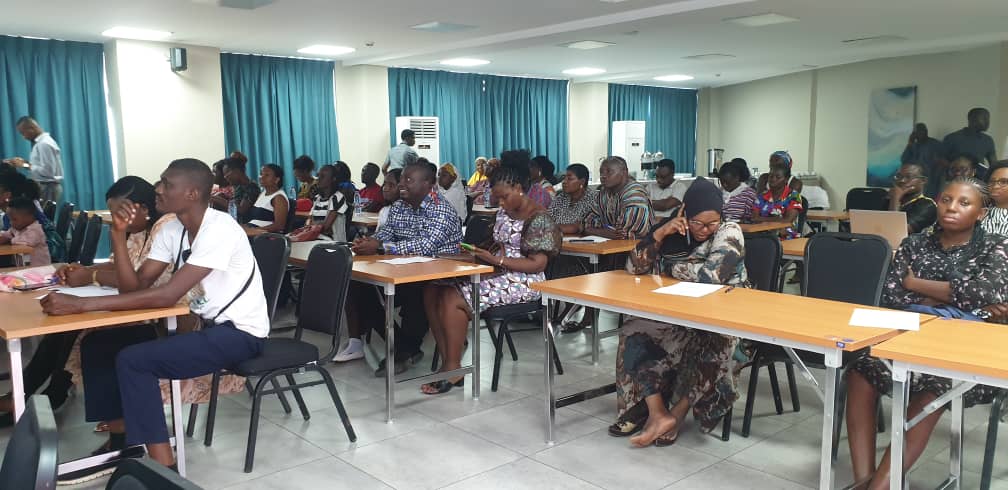
Dr. Osei-Tutu explained that sickle cell disease is a chronic condition with numerous complications requiring long-term and age-appropriate management.
He highlighted the crucial role of both hospital and community-based care in supporting patients throughout their lives.
“This project is about improving outcomes for patients whom we call warriors by enhancing our practices within both clinical and community settings,” he said.
According to him, the PACTS initiative adopts a unique, inclusive approach by actively involving patients, their families, healthcare providers, and community members to collaboratively assess and improve the quality of care.
He described the learning sessions as vital platforms where stakeholders can exchange insights, share best practices, and work together to strengthen service delivery.
Dr. Osei-Tutu, who also specialises in treating both pediatric and adult patients with sickle cell disease and cancer, underscored the value of early diagnosis and timely intervention, noting their potential to significantly reduce healthcare costs and alleviate pressure on the health system.
He commended the participating healthcare teams for their innovative problem-solving strategies and commitment to improving patient care.
“So far, there has been tremendous progress, and at least the team dynamics have improved as team members with different disciplines coming together to shine light on sickle cell disease which has not been so in the past except the teaching hospitals,” he noted.
GNA
YI/AD