By Anthony Adongo Apubeo
Bolgatanga, Sept. 9, GNA – Stakeholders in disaster management in the Upper East Region have met to discuss measures to operationalise the region’s disaster preparedness plan to strengthen prevention, readiness and response to emergencies.
The coordination meeting, supported by the United Nations Population Fund (UNFPA) through the Upper East Regional Coordinating Council (RCC), brought together key stakeholders to review the plan and ensure that the needs of vulnerable groups, particularly women, children and persons with disabilities, were incorporated into emergency preparedness and response.
The meeting also formed part of efforts to strengthen coordination among institutions and ensure that the Upper East Region had practical and actionable measures in place to minimise the impact of disasters and protect lives and property.
Ms Yvonne Wonchua, UNFPA Focal Person at the Upper East RCC, said the engagement was intended to ensure that the region was better prepared to address sexual and reproductive health needs and gender-based violence during emergencies.
She explained that although the RCC had previously worked closely with UNFPA on maternal health, family planning, youth issues and gender-based violence and peacebuilding issues, the current programme had shifted greater attention to other regions because the Upper East had performed relatively well in some of those areas.
However, she said the presence of refugees in the region, coupled with peacebuilding and conflict-related concerns, had created the need for continued UNFPA support under humanitarian and peacebuilding interventions.
Ms Wonchua said UNFPA’s expertise in sexual and reproductive health and gender-based violence positioned it to support emergency preparedness, even though the UN agency was not primarily a humanitarian agency.
She said the plan, coordinated by the National Disaster Management Organisation (NADMO), provided an all-inclusive framework within which sexual and reproductive health in emergencies and gender-based violence could be integrated.
“Once everyone has a stake in this plan, because it is a coordinated plan, I call on everyone who has something to do with it to come on board, technically, financially and with any other support,” she said.
Mr Paul Wooma, Deputy Upper East Regional Director in charge of Operations of NADMO, said the operationalisation of the plan was designed to move the region from a reactive approach to a proactive disaster management system.
He said the plan provided a multi-hazard framework for prevention, preparedness, response and recovery, considering recurring floods, dry spells, environmental degradation, conflicts and spillover risks.
He said success would require every priority district and facility to identify its specific needs, establish tested referral pathways, maintain minimum emergency supplies, identify clear triggers and put continuity arrangements in place.
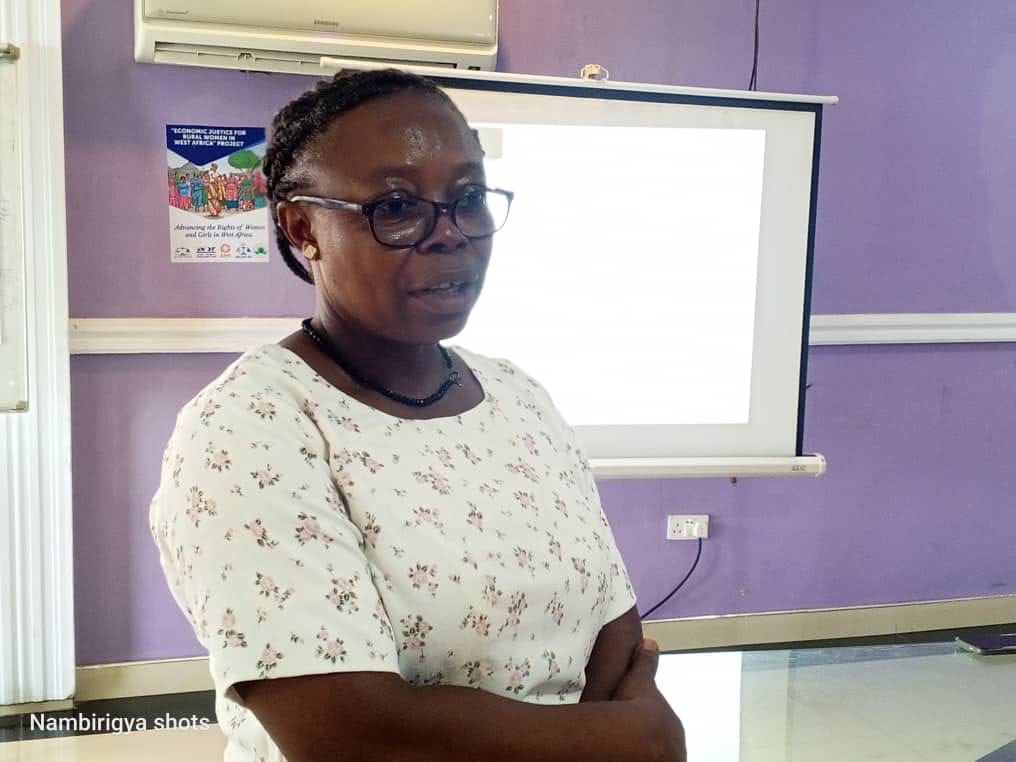
Mr Wooma stressed the importance of simulation exercises to test the preparedness of institutions before disasters occurred, adding that such exercises would bring together the military, police, national security, health authorities, district assemblies and other relevant actors to clarify their respective roles during emergencies.
Mr Wooma said the region’s disaster preparedness plan also included specific measures for addressing disease outbreaks, flooding and other hazards.
Ms Georgina Aberese-Ako, Acting Upper East Regional Director of the Department of Children, called for the needs and protection of children to be deliberately incorporated into disaster preparedness plans.
She said emergencies such as floods and conflicts could expose children to sexual abuse and other forms of exploitation if adequate preparations were not made.
Ms Aberese-Ako cited the spillage of the Akosombo Dam as an example, saying that some affected persons, including children, were sheltered together without adequate consideration for the different needs of boys and girls, creating conditions that exposed some children to sexual abuse.
She said emergency plans should therefore make provisions for separate and safe accommodation for boys and girls, as well as food, clothing, sanitary pads, medicines, counselling and psychosocial support.
GNA
Edited by Caesar Abagali/Kenneth Odeng Adade
Reporter: Anthony Adongo Apubeo
Reporter’s email: [email protected]