By Francis Ntow, GNA
Accra, Sept 9, GNA – The Network for Women’s Rights in Ghana (NETRIGHT) has urged the Government to make the Women’s Development Bank (WDB)work for rural businesses, especially those owned by women, youth and the marginalised, while encouraging acceleration of its operationalisation.
Additionally, it advocated that government ensured the bank addressed systemic challenges impeding women from accessing funds from the traditional banking and financial system.
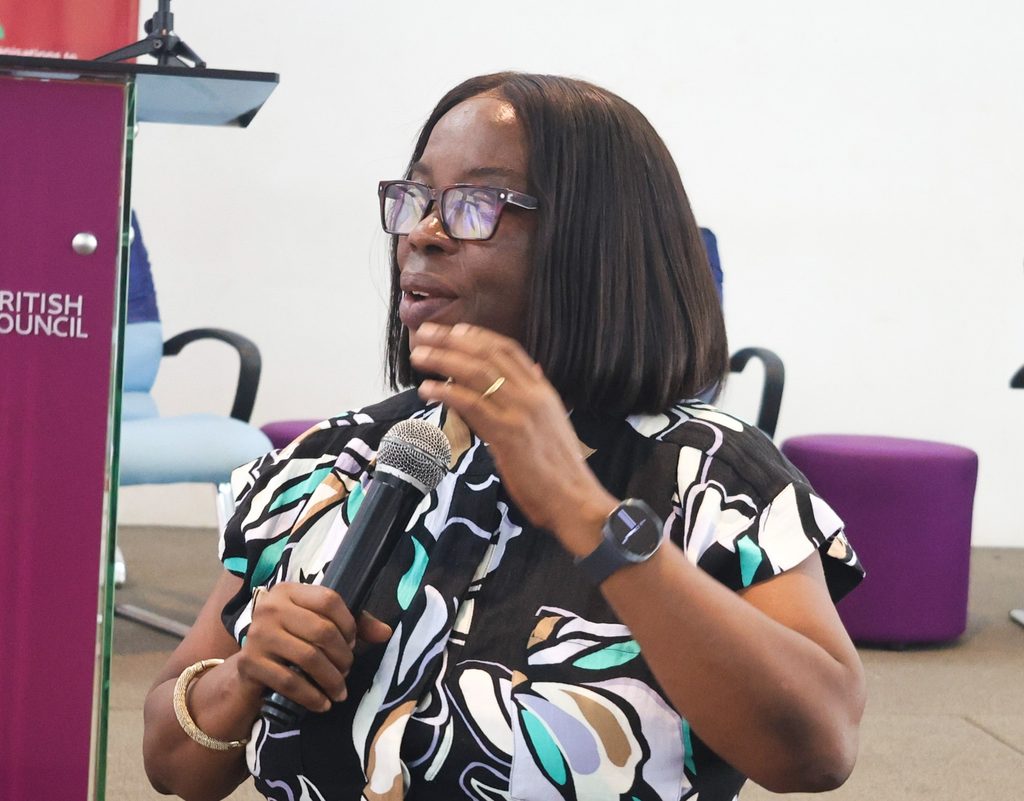
Mrs Patricia Blankson Akakpo, the Head, NETRIGHT Secretariat, made the call on Tuesday during a forum on the theme: “Promoting inclusive and gender-responsive budget priorities through citizens’ engagement.”
The call comes after government allocated GH¢51.3 million seed fund in 2025 for the bank’s establishment and an additional GH¢401m in the 2026 budget to crowd-in finance for women-owned Micro, Small and Medium Enterprises (MSMEs).
Despite government allocating a total of GH¢452.3 million in the 2025 and 2026 budgets, the Women’s Development Bank was yet to be operationalised, raising concerns among poor rural women, businesses and entrepreneurs about the delays in accessing those services.
Mrs Akakpo said while the allocations were a step forward, there were critical questions about its the bank’s mandate, structure and target beneficiaries, and selection of beneficiaries that needed to be addressed.
She also raised concerns about the ability of the WDB to resolve longstanding challenges such as collateral requirements, documentation and high interest rates that had historically excluded rural women from the traditional banking system.
“What is sure about the women’s development bank… there should be modalities, is it there?” she quizzed, and asked questions about the bank’s structure, where women would have access to the fund.
Mrs Akakpo said NETRIGHT had made recommendations to the Ministry of Finance on the 2027 Budget to incorporate those issues for effective implementation of the bank’s operations to ensure women benefitted and their limited access to finance addressed.
She encouraged leveraging existing women friendly financial systems such as the village savings and loans association, rather than imposing rigid banking models, calling for transparency and disaggregated data in the disbursement of funds.
On other issues in the budget, Mrs Akakpo noted that while government positioned agriculture as a central driver of economic transformation, there were no specific targets, indicators or data to track progress concerning women, youth and marginalised groups.
She argued that that risked reinforcing existing inequalities, as women who constituted over half of Ghana’s agricultural labour force continued to face systemic barriers to land, finance, inputs, extension services and decision-making.
She recommended the allocation of a minimum of about 40 to 50 per cent of agricultural programmes to women, in line with the Affirmative Action Act, in addition to providing sex-disaggregated data to ensure accountability.
The NETRIGHT Head also called for deliberate linkage of state programmes such as the School Feeding Programme and the National Food Buffer Stock Company (NAFCO) to women producer cooperatives to address market accessibility challenges for women farmers.
Beyond agriculture, Mrs Akakpo expressed concern about the care economy, which remained treated as a private welfare responsibility rather than a public good and economic infrastructure.
She urged development of a national care policy with a costed implementation framework, chaired by the Ministry of Gender, Children and Social Protection, to coordinate childcare, elder care, disability services and social protection.
GNA
Edited by Agnes Boye-Doe
Reporter: Francis Ntow
[email protected]