By Prince Acquah
Cape Coast, Sept 18, GNA – Mr Kwesi Pratt Jnr, renowned Ghanaian journalist and political analyst, has blamed Ghana’s persistent constitutional crisis on poor political leadership and the failure of relevant state institutions to implement the Constitution in ways that benefit citizens and promote national development.
He observed that, for a long time, greedy political actors and state institutions had conspired to implement the constitution in a self-serving manner, perpetuating hardship, marginalising the poor and exposing the country to foreign exploitation.
While admitting that the1992 Constitution had some genuine defects requiring amendment, he insisted that no constitutional review would be enough to transform the country if politicians and state actors failed to change their ways.
“…no formulation of words on a piece of paper will protect the poor against a rapacious elite. No Constitution enforces itself. Outcomes depend on how people behave around constitutions, especially governing elites.
“Often, calls for review and amendment are attempts to deflect attention from official misconduct, although genuine defects in the text must also be corrected,” he maintained.
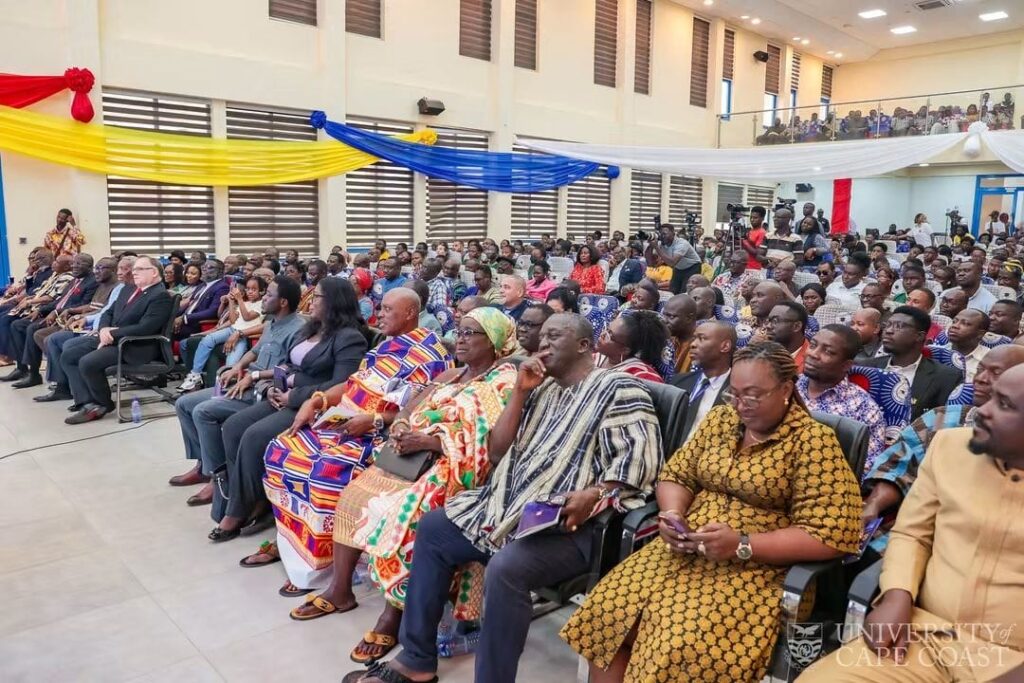
Mr Pratt, a media executive and Pan-Africanist, made the remarks when he delivered his first lecture of the 15th Kwame Nkrumah Memorial Lecture series organised by the University of Cape Coast (UCC).
The Kwame Nkrumah Memorial Lecture Series, instituted by UCC in 1974, is dedicated to the memory of the Ghana’s first President, Dr Kwame Nkrumah, expected to address issues of socio-economic and political development of Africa and the black world in general.
The 15th edition is under the theme: “Kwame Nkrumah yesterday, today and tomorrow: Perspectives on constitutionalism, development and Pan Africanism.”
Mr Pratt’s comments come amid debates over the country’s constitutional review process which is brewing tension among political actors, civil society and other stakeholders.
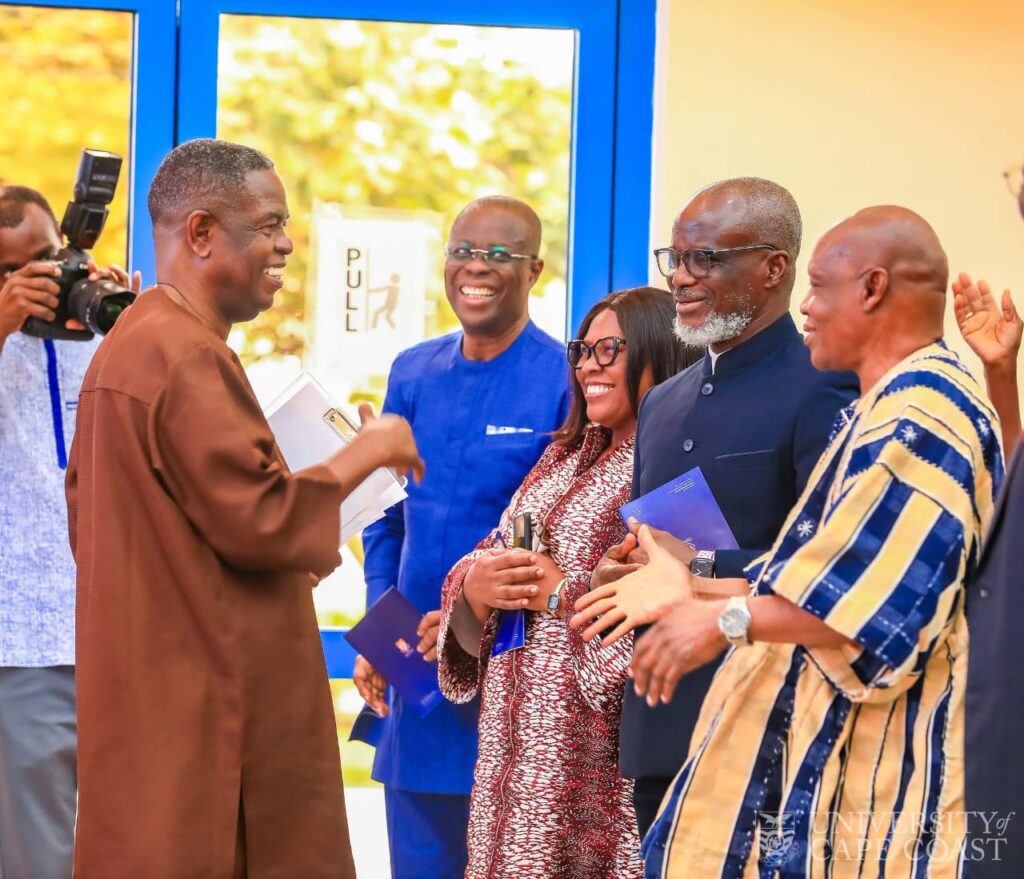
According to Mr Pratt, amending the Constitution alone would not resolve the constitutional crisis, as the deeper problem was the political class’ allegiance to special interests and the way state institutions operated under the Constitution.
“Since 1992, Presidents have overreached, tolerated the dissipation of national resources and ignored abuses of citizens’ rights. Parliament has too often colluded with the Executive, and the Supreme Court has not always approached constitutional law as a mechanism through which the powerless can check the excesses of the powerful.
“These patterns hold in place a system of foreign economic exploitation while political elites blame the Constitution for outcomes produced by their own choices,” he noted.
He indicated that constitutionalism went beyond having written constitution, saying it involved government under law, accountable leadership, institutional limits, the protection of rights and meaningful participation by citizens.
Citing Nkrumah’s approach to constitutionalism, he said constitutional reforms must be nationalistic, development-driven and responsive to the needs of the people.
He said Nkrumah saw constitutional change as essential to ending colonial rule and not merely as a legal exercise and recounted that the 1948 disturbances exposed the weaknesses of the colonial political structure which compelled the colonial government to introduce some constitutional proposals.
However, Nkrumah and the CPP considered the initial reforms inadequate as they did not transfer real power quickly enough.
For Nkrumah, the true test of any constitution was whether it transferred real authority to the people of the Gold Coast.
That led to the introduction of the 1951 Constitution which expanded African participation and created conditions for elections, the 1954 Constitution which advanced internal self-government and strengthened elected representatives, among other changes which culminated in independence.
“He did not reject constitutionalism. He rejected colonial constitutional delay. He used mass action to force constitutional change, and then he used constitutional change to move the country towards full sovereignty,” Mr Pratt stressed.
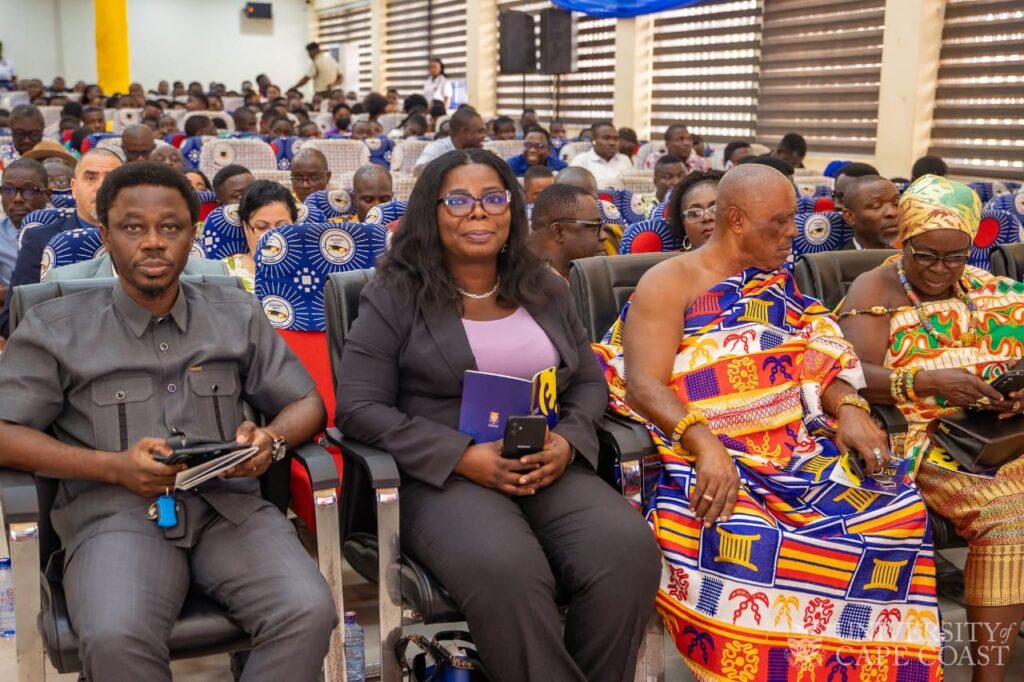
Touching on the Preventive Detention Act of 1958, which allowed the state to detain individuals without ordinary criminal trial, he said detention without trial was a “grave power” and that any government that exercised it must accept responsibility for its human consequences.
However, he said the Nkrumah government considered it necessary to counter bombings, attempted assassinations, violent conspiracies and other threats to the stability of the Gold Coast.
“I have sometimes wondered whether those who criticise the introduction of the Preventive Detention Act expected Nkrumah to embrace the terrorists who desperately tried to kill him and wreck the Pan-African project and give them kisses on both cheeks.
“These were terrorists who exploded grenades in public places, stabbed CPP loyalists, destroyed national infrastructure and showed little concern for the age, ethnicity or gender of their victims,” he said.
GNA
Edited by Alice Tettey /Kenneth Odeng Adade
Reporter: Prince Acquah
E-mail: [email protected]