By Eunice Hilda A. Mensah
Accra, Aug. 8, GNA – The Sexual Health and Reproductive Education (SHARE) Project, implemented by Right to Play, has recorded significant improvements in adolescent sexual and reproductive health and rights (SRHR) knowledge, decision-making and service uptake in beneficiary communities in the Upper East Region.
Right to Play is an international non-profit organisation that uses the power of play to protect, educate and empower children to overcome adversity.
The five-year SHARE Project (2021–2026), funded by the Government of Canada through Global Affairs Canada, seeks to advance gender equality by improving access to sexual and reproductive health education and gender-responsive healthcare for young people, particularly girls and women, in Ghana, Mozambique and Uganda.
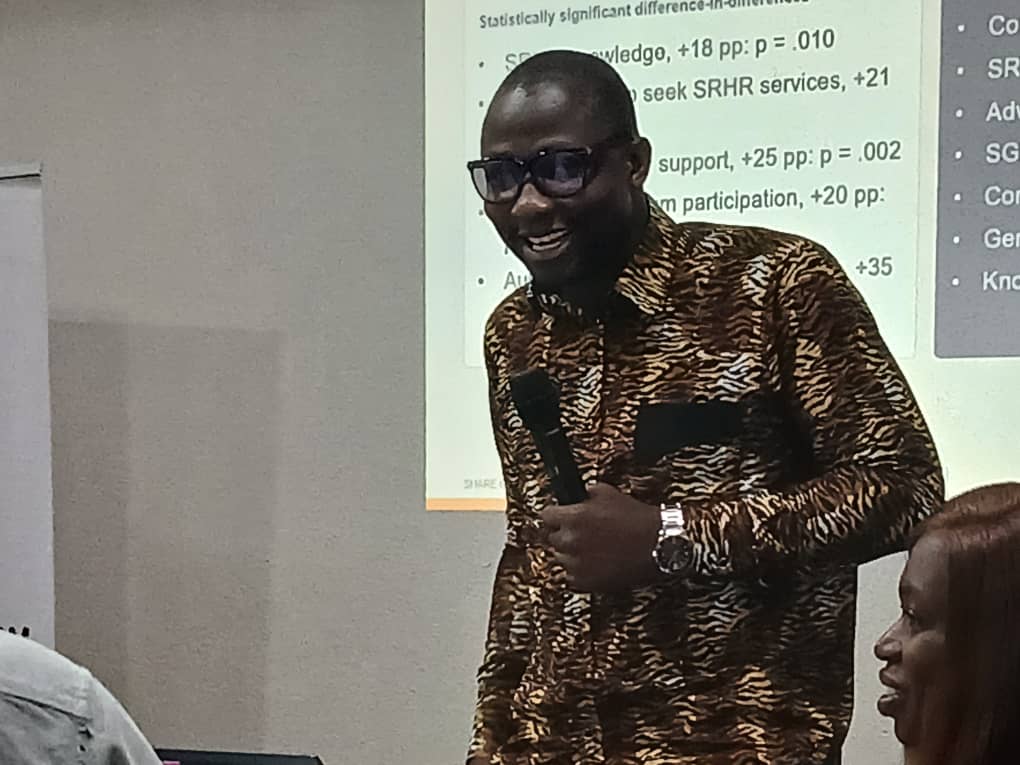
Presenting findings from the Ghana Endline Evaluation, Professor Duah Dwomoh, Technical Lead at D&D Statistical Consulting Services Limited, said adolescent SRHR remained a major public health challenge due to limited access to services, weak implementation of relevant laws and policies, and persistent negative social norms.
He said Ghana recorded more than 542,000 pregnancies among girls aged 15 to 19, and over 13,000 pregnancies among girls aged 10 to 14 between 2016 and 2020.
Prof. Dwomoh said the SHARE Project was introduced to bridge those gaps by combining education, healthcare services and community action to equip adolescents, families, communities and health systems with the knowledge and support needed to improve sexual and reproductive health outcomes while strengthening accountability.
In Ghana, the project reached 1,240 adolescents and young people aged between 10 and 24 years, 356 caregivers, 381 teachers and health facilities across the Builsa North Municipality, Kasena-Nankana Municipality, Kasena-Nankana West District and Bongo District in the Upper East Region.
He said the evaluation showed that SRHR knowledge among beneficiaries increased by 18 percentage points, confidence in seeking SRHR services rose by 21 percentage points, perceived family support improved by 25 percentage points, while participation in social action forums increased by 20 percentage points.
Autonomous decision-making on SRHR issues also improved by 35 percentage points.
“At the end of the project, adolescents could make informed decisions about their sexual lives and insist that their partners use condoms or other contraceptive methods to prevent unintended pregnancies,” he said.
Prof. Dwomoh, however, cautioned that many adolescents remained more concerned about preventing pregnancy than sexually transmitted infections (STIs), with some relying on emergency contraceptives instead of adopting safer and more sustainable preventive measures.
Madam Khadija Hamidu, Area Project Manager of Right to Play, said the SHARE Project was implemented by a consortium led by Right to Play in partnership with WaterAid, the Forum for African Women Educationalists (FAWE) and FHI 360, a nonprofit organisation.
She said the consortium worked in 200 schools, 87 health facilities and with community structures, including religious leaders, youth groups and the media, to ensure broad-based participation and inclusiveness.
Madam Hamidu said the project’s sustainability was strengthened by leveraging existing structures such as the Ghana Education Service’s School Health Education Programme and the Ghana Health Service’s adolescent health services.
“Young people now understand their bodies better, know where to seek help, and are confident enough to educate and advise their peers. They are asking questions and serving as role models within their communities,” she said.
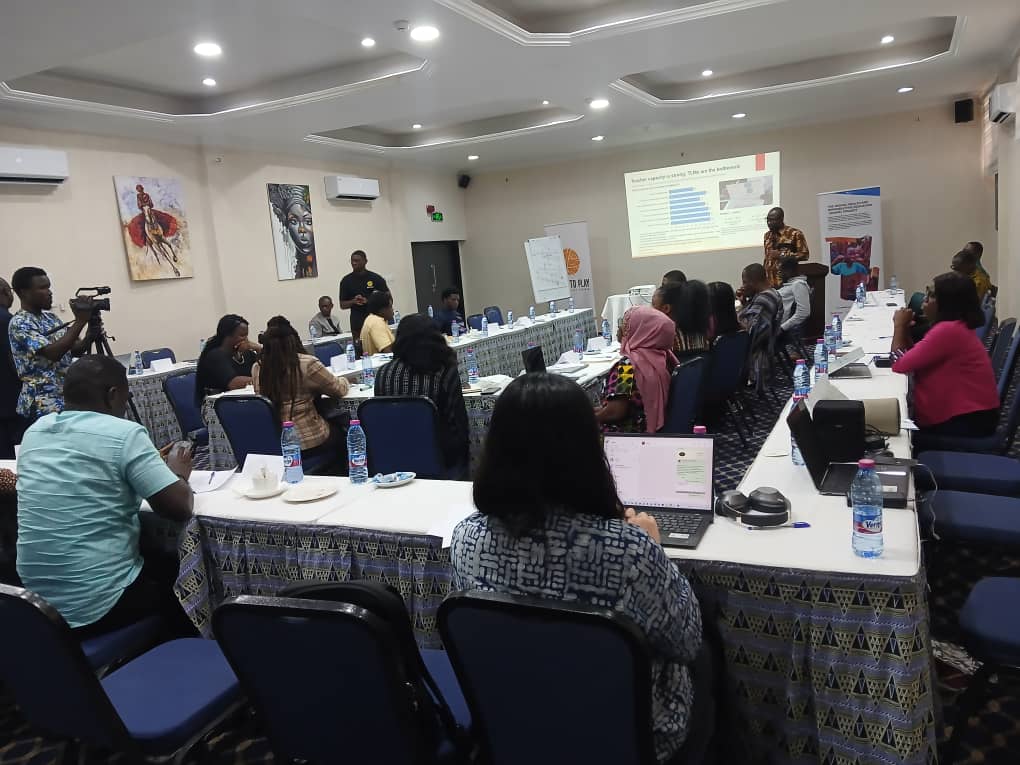
She said the consortium also trained media practitioners on ethical reporting of SRHR issues, strengthened stakeholders’ capacity to monitor interventions and handed over tools to facilitate the continuation of the project’s activities.
Madam Hamidu said dissemination of the evaluation findings at the regional and national levels was intended to encourage stakeholders to sustain the interventions and incorporate the lessons learnt into future policies and programmes.
“We are hopeful that the positive results achieved in the Upper East Region will encourage stakeholders to expand similar interventions to other parts of the country,” she said.
She appealed to the Government to allocate adequate resources to support youth groups and vulnerable populations through civil society organisations to strengthen sexual and reproductive health education and safeguard the welfare of young people nationwide.
GNA
Edited by Agnes Boye-Doe
Reporter: Eunice Hilda A. Mensah
Email: [email protected]