By Yussif Ibrahim, GNA
Kumasi, Aug. 24, GNA – The Government is taking steps to review the Minerals and Mining Act, 2006 (Act 703) as part of measures to strengthen regulation, transparency and sustainable management of Ghana’s mineral resources.
Dr Yusif Sulemana, the Deputy Minister for Lands and Natural Resources, said the proposed reforms formed part of a broader regulatory transformation aimed at modernising the mining sector and ensuring that the country’s mineral wealth contributed more effectively to national development.
He said under the proposed reforms, the maximum duration of mining leases would be reduced from 30 to 20 years, while reconnaissance and prospecting licenses would be consolidated into a single exploration license, with the exploration period capped at five years.
Dr Sulemana at commissioning of the Ashanti Regional Office of the Minerals Commission in Kumasi, said the existing licensing arrangements could tie up mineral concessions for unnecessarily long periods, preventing other potential investors from accessing them.
“You have instances where companies will go in for reconnaissance for a very long time and then go back and take prospecting licences. Only God knows when they will finish,” he said.
He said reducing and consolidating the licensing periods would make the regulatory regime more efficient and create opportunities for other credible investors to participate in the sector.
He explained that the government’s proposed reforms were not merely policy changes but represented a shift towards greater transparency, accountability, and sustainability in the management of the country’s mineral resources.
The Deputy Minister said the government had also taken steps to decentralise the operations of the Minerals Commission, ending the decades of excessive centralisation of regulatory services in Accra.
He said the decentralisation would provide the Commission with the necessary personnel and operational capacity to regulate mining activities more effectively while bringing services closer to stakeholders.
The newly commissioned facility would serve as a major centre for the Commission’s regulatory oversight activities in the Ashanti Region and parts of the middle belt, including the Bono and Ahafo regions, he said.
Dr Sulemana said the location was appropriate because of the Ashanti Region’s historic and continuing contribution to Ghana’s mining industry, particularly gold production.
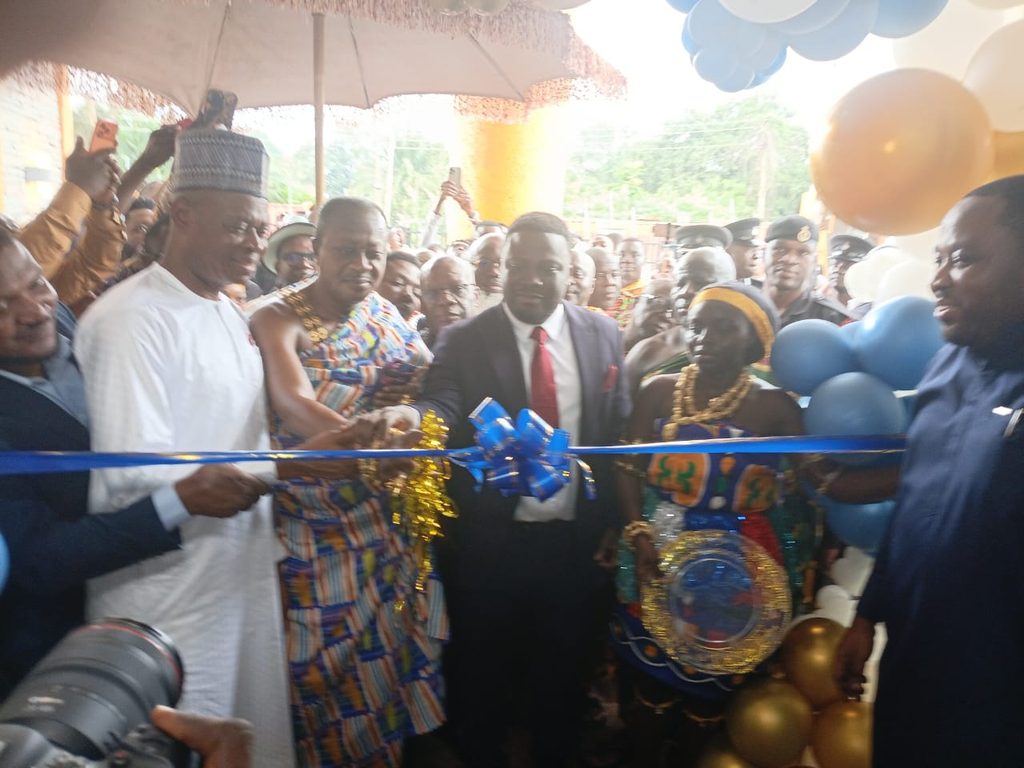
Mr Isaac Tandoh, the Chief Executive Officer of the Minerals Commission, described the facility as a tangible manifestation of a new era in mineral governance characterised by accessibility, efficiency, transparency and a renewed commitment to sustainable development.
He said the facility had been designed as a “one-stop shop” for mineral administration in the region and beyond, bringing together modern office accommodation, specialised laboratory services and a public education museum.
Mr Tandoh said the seven-storey office block would serve as the principal administrative and operational hub for the Commission’s regional activities, housing management, technical departments, administrative units, client services, records management, meeting facilities and other support functions.
A major feature would be the decentralisation of the Inspectorate Division’s licensing examination services.
He stated that decentralising the examinations would reduce the cost and inconvenience associated with travelling to Accra and make the licensing process more accessible
GNA
Edited by Kwabia Owusu-Mensah/ Christabel Addo
Reporter: Yussif Ibrahim
[email protected]